

Today, Fordham University’s academic achievements are impressive: 185 Fulbright scholarships, a 77% medical school acceptance rate, and over a million hours of community service and internships at 2,600 companies across New York. But it all started as a small men’s college. We’ll tell you the history of the founding and development of this famous Bronx institution in this article on bronx1.one.
It All Started with a Big Dream
In the 1830s, there was a noticeable lack of educational institutions in New York City. Immigrants, in particular, felt this problem acutely, as they were already struggling to adapt to a new country without knowing the language. In 1839, John Hughes, the Bishop of New York who had himself immigrated from Ireland, bought 100 acres of land in Rose Hill, which was then part of Westchester County. The price of the deal was $29,750. John Hughes spent several years raising this money because he had a big dream: to build an educational institution on that very spot. As an Irish immigrant, he believed that education was a crucial condition for improving the lives of people who came to New York from all over the world in search of a better life.
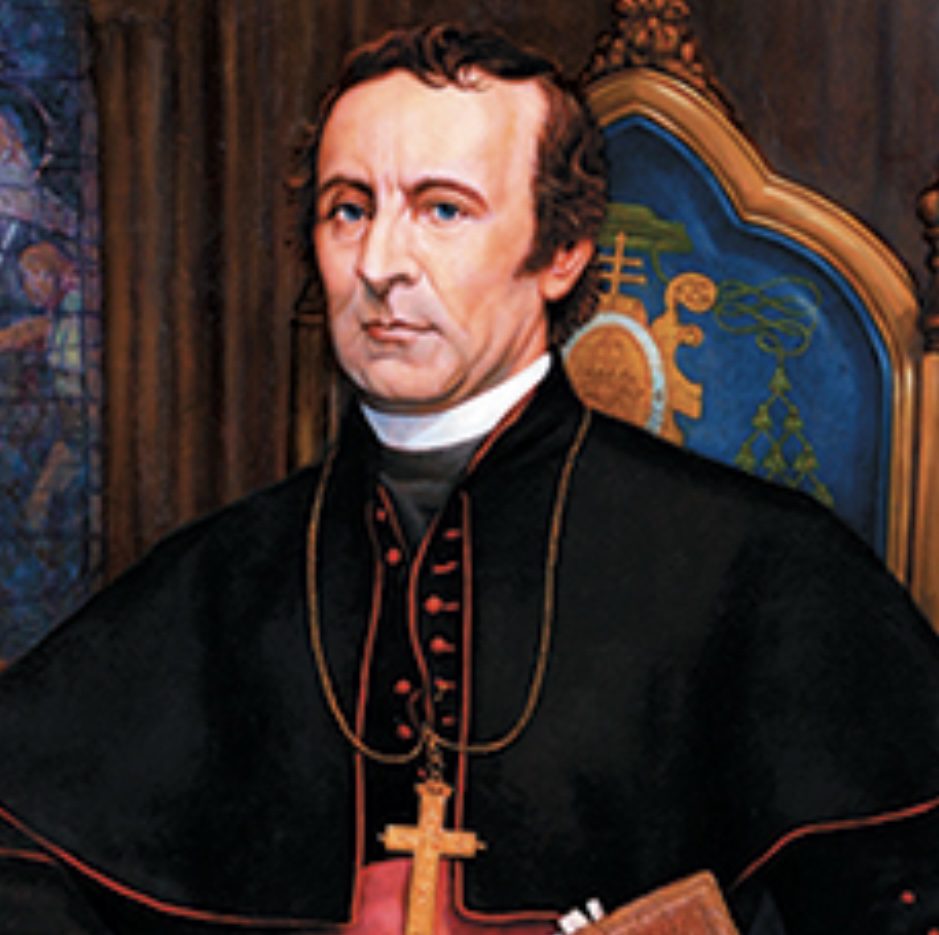
However, Hughes admitted he didn’t have the money to start funding the new college. For almost a year, he raised funds locally, managing to collect only $10,000, so John went to Europe for help. The financial difficulties John Hughes faced in founding the college reflected the poverty of the Catholic community in New York at the time. Under such conditions, it took great courage and determination to open an educational institution. But despite all the difficulties, St. John’s College began its work in 1841 as a diocesan institution. In addition to limited funding, there were also challenges in finding qualified faculty and administrators among the clergy. Yet, the firm stance of Hughes and his associates and their dedication to the idea didn’t allow the college to close, even in difficult times. For five years, they desperately built and developed the educational hub in New York.
The Jesuit Era
By 1846, the situation had reached a critical point. Hughes no longer had the strength to bear the financial burden and solve staffing issues. But he also couldn’t close the college and betray his dream. So when the Jesuits approached Hughes with an offer to buy St. John’s College, he agreed, as he understood it was the only chance to save the institution. The Jesuits who arrived at Rose Hill were French exiles who had previously tried to organize an educational institution in Kentucky. They were happy to move from remote territories to a place just 7 miles from the country’s largest city. This collaboration seemed beneficial for both sides.
By the end of the 19th century, St. John’s College remained a small educational institution that couldn’t compete with St. Francis Xavier Jesuit College, which became the third-largest Jesuit college in the U.S. and Canada. For the first 70 years, the number of students, curriculum, and daily schedule remained almost unchanged. For example, in 1907, the college had only 109 students, almost the same number as in its early years. The schedule was quite strict: a 6 a.m. wake-up, 7 a.m. daily Mass, then studies. At 7 p.m., everyone had to return to their rooms, and at 9 p.m., it was lights out. Perhaps such a demanding schedule scared off potential students, or maybe there was a lack of ambitious leadership. Whatever the case, the Jesuit college did not gain significant popularity in the early 20th century. Although, from 1907-1911, Francis J. Spellman, the future cardinal and archbishop of New York, studied there.
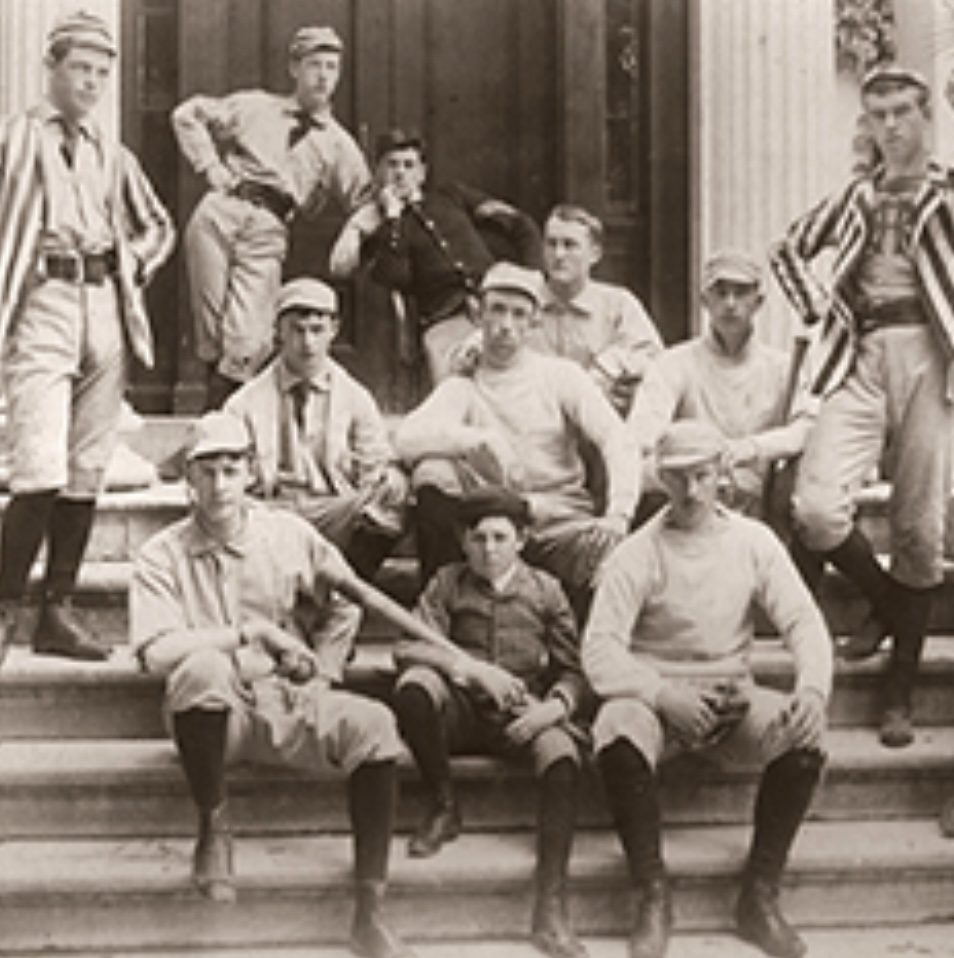
The college’s faculty consisted of 12 Jesuits, 19 priests, and 2 scholastics. The curriculum was classical, with an emphasis on Latin and Greek; there were no elective courses. The cost of tuition, including room and board, was $200 per semester.
Achieving University Status
The changes began in 1904. That’s when St. John’s College president, Father John J. Collins, announced his intention to transform St. John’s College into a university. However, a desire wasn’t enough; this transition happened gradually and lasted for several decades, accompanied by numerous difficulties and setbacks.
The process started in 1905 with the opening of the first two graduate schools: the medical and the law school. The medical school lasted only 16 years and was closed, mainly due to financial problems. The law school proved to be more resilient.
Later, seven more graduate schools in various fields were established at the college, including arts, social service, education, religion, and business.
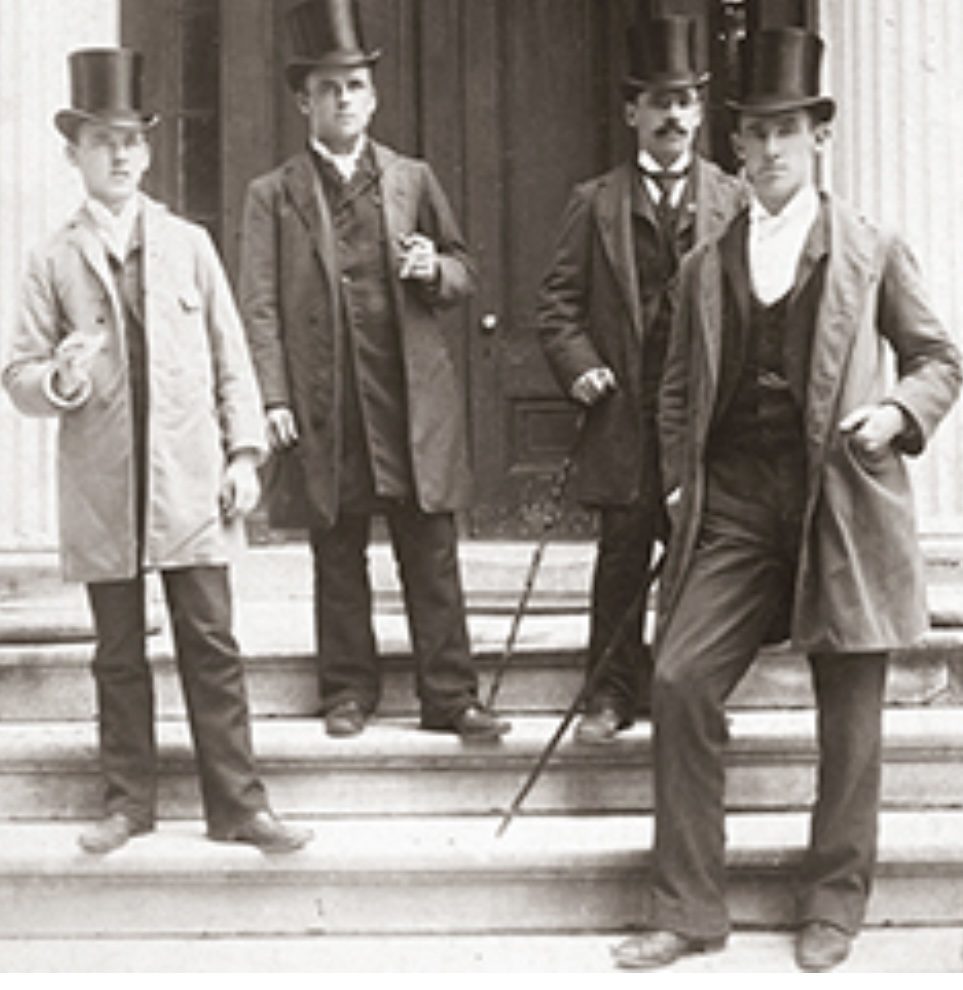
Transforming a small men’s college into a full-fledged university was not an easy task. The process was often complicated by a lack of funding, the absence of a library and laboratories, a shortage of sponsors, and a heavy workload for the faculty, which prevented them from engaging in research.
In the late 1920s, while already positioning itself as Fordham University, the former college faced sharp criticism. It was accused of incompetent student evaluation and of indiscriminately granting master’s and doctoral degrees. The large number of certified specialists seemed odd, as most graduate students were part-time, and the university didn’t even have a library. In 1935, Fordham was removed from the registry of approved institutions by the Association of American Universities, which was a heavy blow.
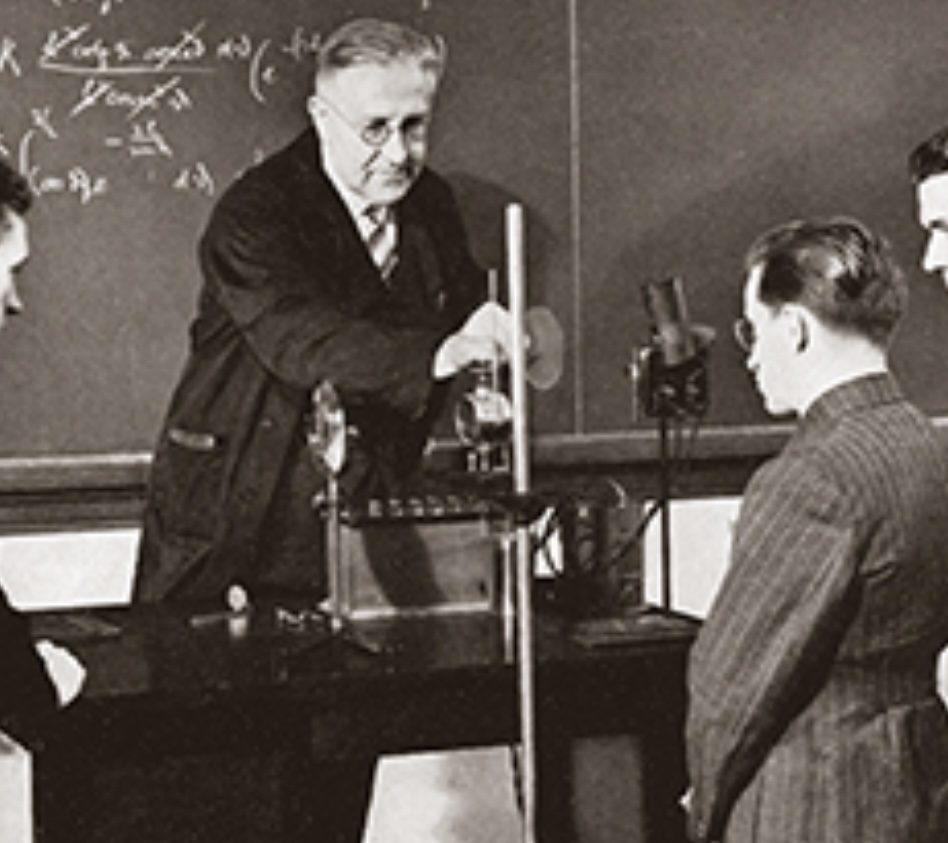
In 1936, Father Robert I. Gannon was appointed president of Fordham University with the goal of restoring its reputation. He took on great responsibility during the most difficult period—the time of the Great Depression and World War II. Gannon restored Fordham’s academic reputation, separated the roles of rector of the Jesuit community and university president, and made everyone in New York start talking about Fordham.
Fordham Today
Today, Fordham University is a private American institution of higher education with three campuses:
- The 85-acre Rose Hill campus is known for its Gothic architecture and green walkways. It houses Fordham College at Rose Hill, the Gabelli School of Business, the Graduate School of Arts and Sciences, and the Graduate School of Religion and Religious Education.
- The Lincoln Center campus spans two city blocks and is home to the School of Professional and Continuing Studies, Fordham Law School, the Graduate School of Business Administration, and the Graduate School of Education.
- The Westchester campus, which houses units of the School of Professional and Continuing Studies, the Graduate Schools of Business, Education, and Social Work.
The university has 22 sports teams and over 160 clubs and organizations. Students can count on guaranteed housing for all four years of their studies.
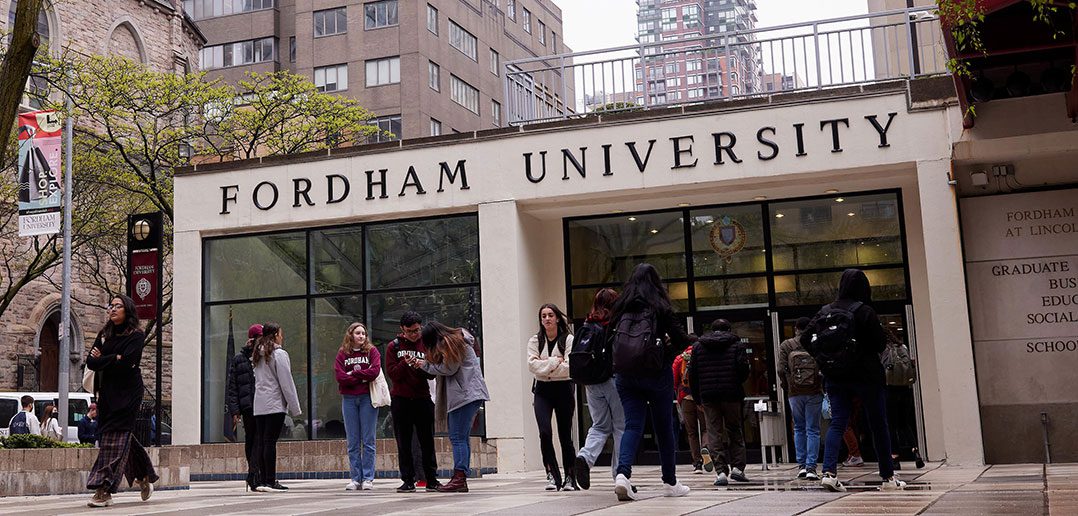
The largest contribution to Fordham University’s history was made by Mario Gabelli, who donated $25 million to establish the Gabelli School of Business.
Guided by its Catholic and Jesuit traditions, Fordham promotes the intellectual, moral, and religious development of its students, preparing them for leadership in a global society.
Why Students Choose Fordham University
Fordham University students come from 46 U.S. states and 74 countries. What attracts prospective students?
- Academic reputation.
Fordham has a high ranking among U.S. higher education institutions, especially in the fields of business, law, and liberal arts. It is one of the country’s leading universities and is known for its rigorous programs.
- Location.
Fordham University is located in New York City, giving students access to a dynamic cultural and professional environment. The city offers numerous opportunities for internships and employment, especially in the fields of finance, media, and the arts.
- Diverse programs.
Fordham offers a wide range of undergraduate and graduate programs in various fields, such as arts, science, business, education, and social work.
- Jesuit traditions.
As a Jesuit university, Fordham emphasizes an education that promotes social justice, ethics, and community engagement.
- Strong alumni network.
The university has a robust alumni network that can provide valuable connections and support for current students in the job market.
- Tolerance.
The university is open to students, faculty, and staff of any race, religion, or social status.
- Campus life.
Fordham offers an active campus life with numerous student organizations, cultural events, and sports activities that contribute to the comprehensive development of students.
- Research opportunities.
The university encourages students to conduct research in various disciplines, offering opportunities to participate in meaningful projects and collaborate with faculty.
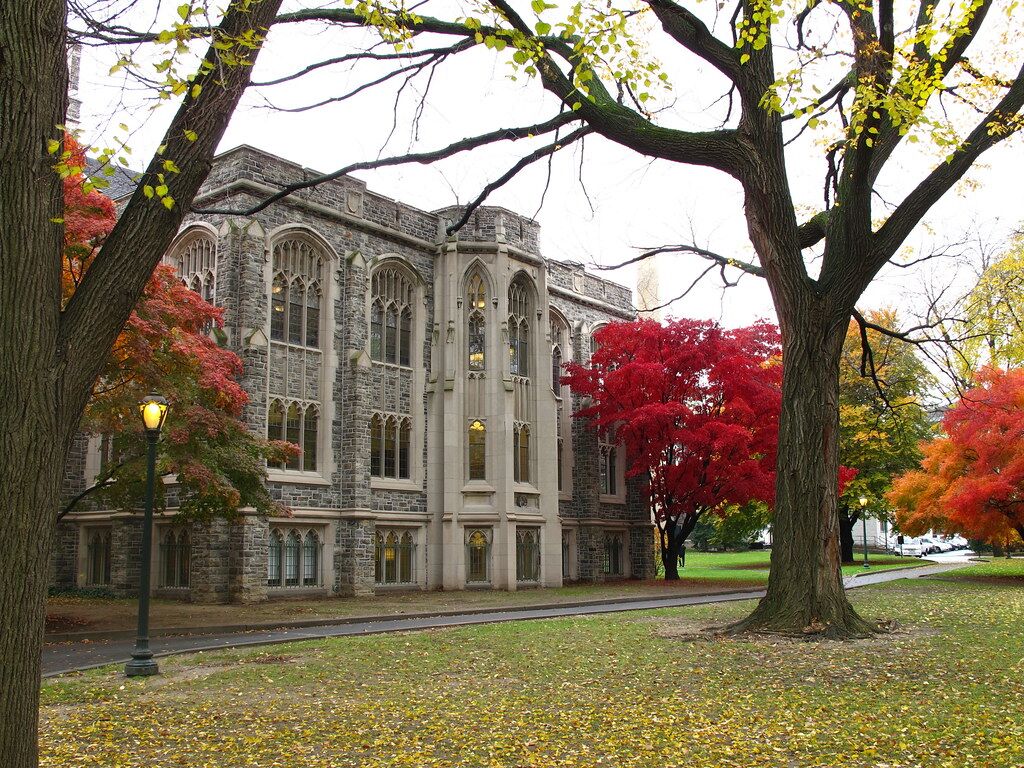
These factors contribute to Fordham’s reputation as one of the most desirable universities for higher education.