

The United States is one of the most developed countries in the world, but there have been situations where you have to fight to work, study, or live in a certain place. One such place was the Lincoln School for Nurses (LSN). This educational facility helped many African Americans to obtain medical education and continue to work as skilled workers on an equal footing with others. Bronx1.one will tell you more about this educational institution, its teachers, management and, of course, the students.
A history of access to healthcare for African American New Yorkers
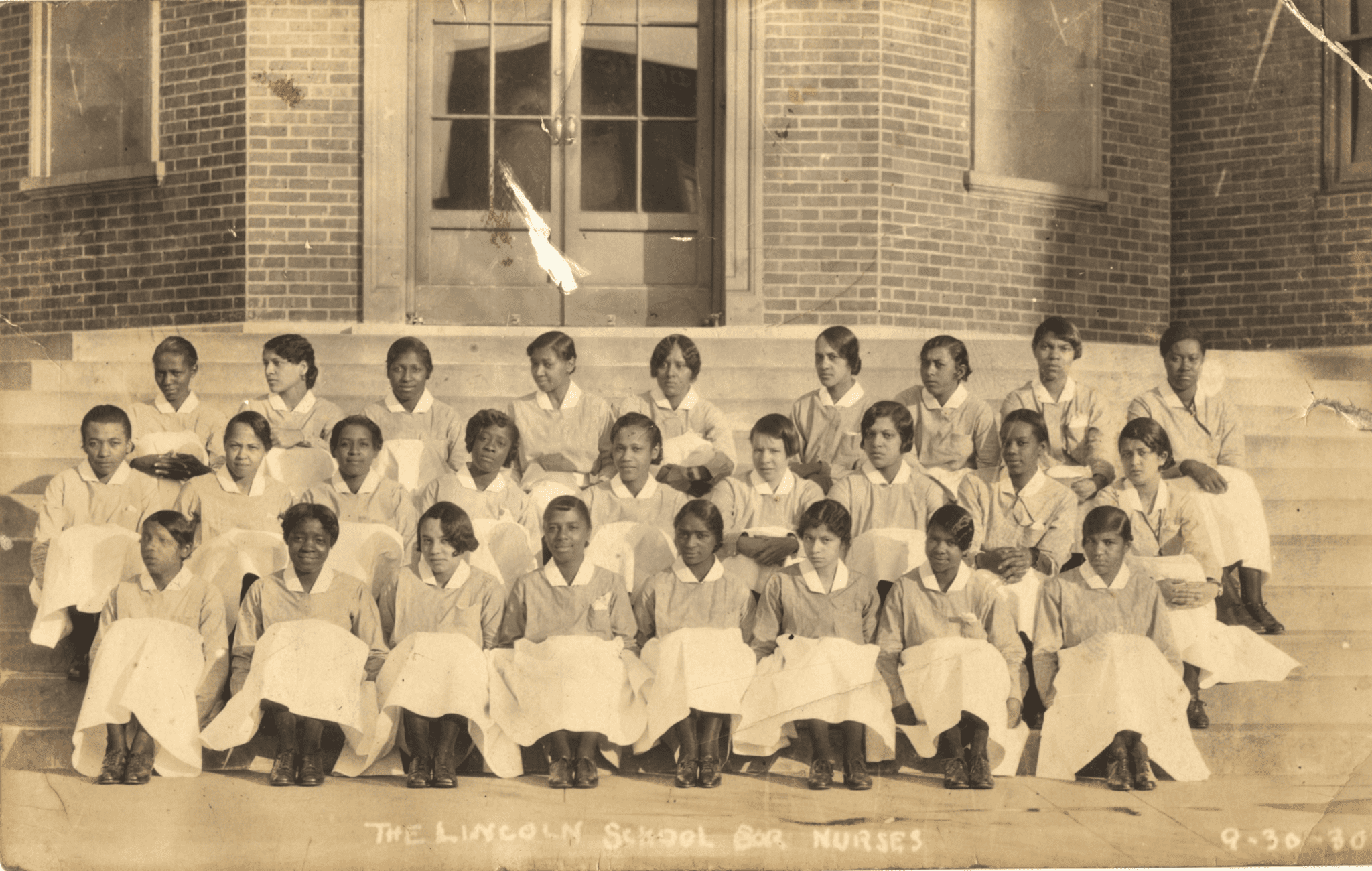
As noted by nytimes.com and a number of other publications, before talking about the creation and activities of the LSN, one should pay attention to the medical care of the African American population of New York. It is no secret that a significant part of the city’s African Americans settled and lived in Harlem in the early twentieth century. Here, this population found a fairly new and well-equipped city hospital (established in 1887) at the intersection of 120th Street and the East River, which could provide appropriate treatment. But the medical staff refused to serve the newly arrived New Yorkers. So it took a lot of bureaucracy to win equal opportunities for all Americans in this proud and prosperous city. In 1903, another hospital was built in Harlem, this time on Lenox Avenue between 136th and 137th Streets. Harlem’s population was growing rapidly. In 1907, another hospital was built. But even this was not enough. Beds for patients had to be placed right in the corridors. More than 50% of the patients in these hospitals were African American.
So, these were the first hospitals for the African American population in New York.
The LSN
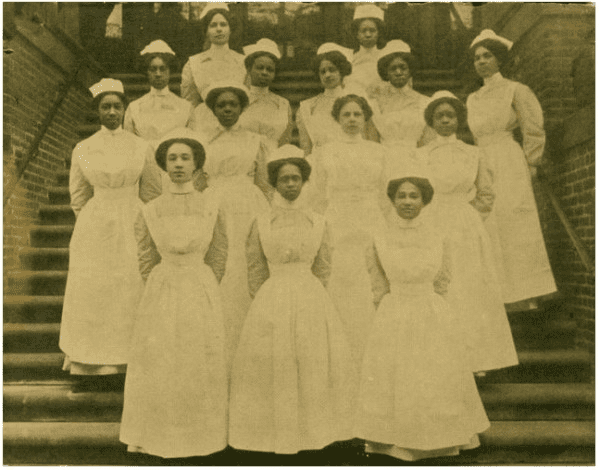
The LSN was the first educational institution to offer employment and training to the African American population in New York City (NYC). It opened in 1898 in Manhattan. Initially, it was called The Home for the Colored Aged. In 1899 it moved to the South Bronx and received the address 141st Street, between Concord Avenue and South Boulevard.
Since then, this private institution has been training nurses for hospitals. The first graduation of 6 people took place in 1900. The number of students was small by today’s standards, but it was only the beginning. In the following years, the teaching and learning process was continued, including by the school’s graduates. One of them, Adah Belle Thoms, became the school’s director in 1906. In 1908, she and her colleagues organized the first meeting of the National Association of Colored Graduate Nurses (NACGN). In the early 1900s, the school had about 100 students. The number of teachers was quite small, no more than 10-15 people.
This school was the launch of the struggle of the African American population for their rights. Just imagine the situation: in the early twentieth century, patients and doctors in hospitals were mostly caucasian. Nurses and nursing assistants were African American. Nursing home patients were also African American.
Until 1923, the LSN was the only educational entity in NYC that trained and graduated African American nurses.
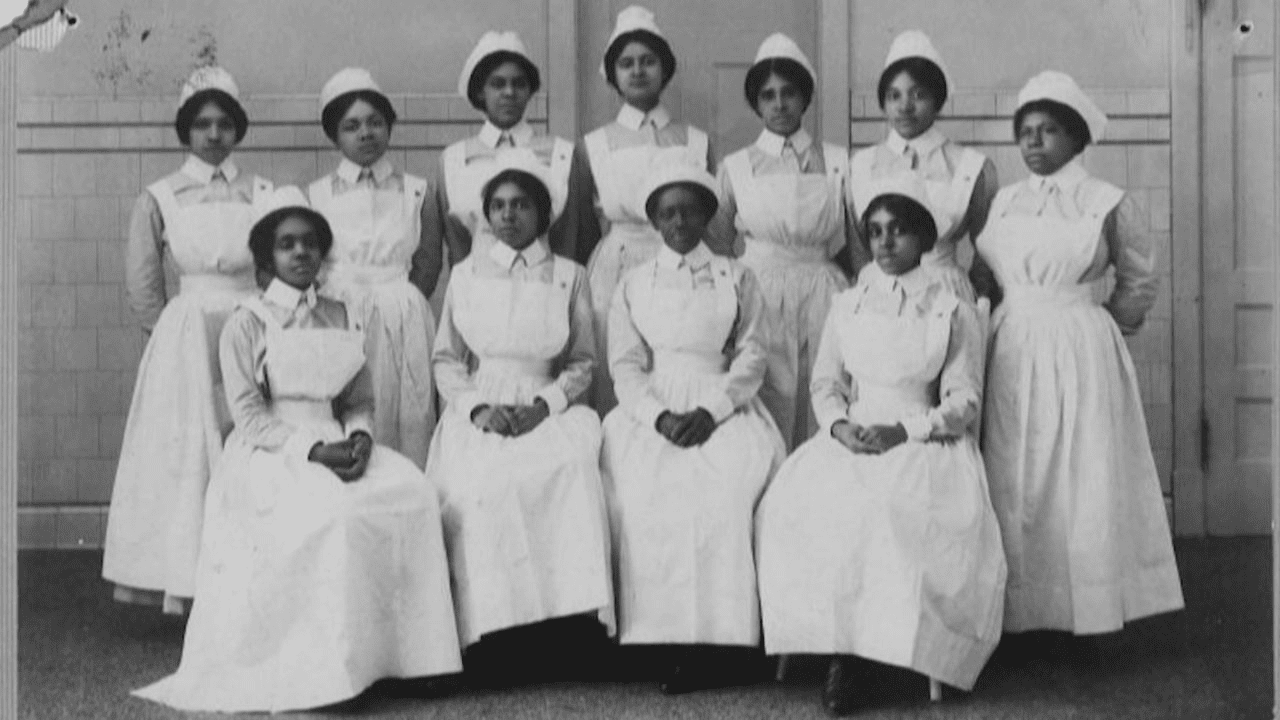
The city’s population was growing rapidly, including Afro-Americans. Doctors and women who lived in Harlem began to fight for the creation of another school where the Black people of the city could study nursing. This happened in 1923. The main merit in organizing the Harlem Hospital School of Nursing (HHSN) belongs to William Vassals and Lurline Vassals DeShields.
The school operated until 1945, when it was merged with the Bellevue School of Nursing.
Given that the school operated for more than 40 years, the total number of its graduates was probably quite significant. At that time, graduates could leave with various degrees of education, including nursing certificates and nursing licenses.
The NACGN
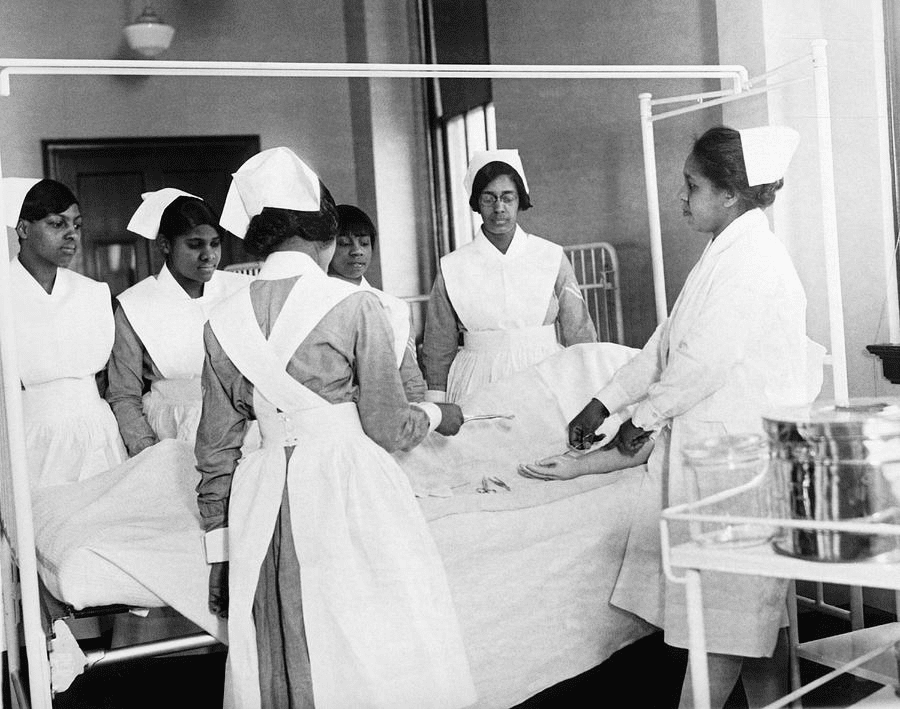
In 1908, the NACGN was founded thanks to the leadership of the LSN. Later, the familiar HHSN joined this organization. The organization was headed by Martha Franklin. She spent a great deal of time and personal money researching and collecting data on the working and resting conditions of African American nurses. She also conducted a survey with the help of the LSN and organized a meeting at a Methodist church in the city. This initiative was supported by members of the LSN Alumnae Association, who had been working in healthcare facilities for many years. At this meeting, it was decided that Martha Franklin would be the president of the Association. The organization’s goals would be to improve the quality of services provided by nurses, eradicate discrimination in their environment and find out what prevents employees from performing their duties professionally. Later, in the following years, the organization’s members met regularly to listen to speeches by nurses from different states. They wanted to address the problems that exist in their profession.
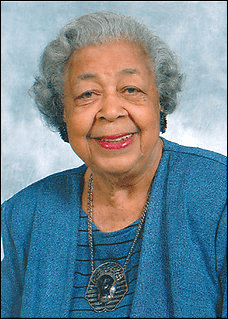
Nurse, author and scientist M. Elizabeth Carnegie broke down color barriers.
(Photo by Howard University)
Famous graduates: M. Elizabeth Carnegie
Among the famous graduates of the LSN is M. Elizabeth Carnegie. She, in addition to being a nurse, later became a scientist, writer, social activist and advocate for African American rights. Throughout her life and work, she worked hard to overcome discriminatory harassment against Afro-American nurses in U.S. hospitals. To do so, she wrote articles, books, opened a school for nurses and generally challenged racism in its various forms. She fought for African American nurses to be addressed as misses and not just nurses. She also refused to ride the freight elevators in the hotel where she was staying when she attended nurses’ meetings in Florida.
Hulda Margaret Lyttle
Hulda Margaret Lyttle was born in Nashville, Tennessee and began her medical career by caring for patients under Dr. Smiley Blanton. Her abilities and skills were so unique and professional that she decided to continue her studies. After completing her primary education, she entered the George W. Hubbard Hospital’s Training School of Nursing. In 1913, after graduating, she went to the LSN. Here she managed to improve her knowledge of medicine and in 1914 received a certificate of completion. Throughout her life, she worked and studied hard, constantly improving her knowledge of medicine and proving to all critics that African American women could succeed against all odds.
Thus, the LSN is one of the first educational institutions in the United States and the first in NYC where Afro-American women in the U.S. were able to receive medical education. This was extremely important for their social and civic growth, as well as for overcoming racial stereotypes and discriminatory prejudices that existed then and continue to exist today in our great country.