

Do you know one of the largest healthcare employers in New York City (NYC)? That’s right, it’s Montefiore Medical Center (MMC). It has 14 departments and hospitals in different parts of the city, including the Bronx. Although this company originated in Manhattan, its center has been located in the Bronx for more than a century. Therefore, bronx1.one will tell you more about MMC.
History
According to montefiore.org, MMC did not appear suddenly. That is, it was not, so to speak, “manna from heaven,” which the Jews received when they traveled with Moses from Egyptian captivity. Many people had to make a lot of effort to create it. But, first of all, let’s say that its creation is quite similar to the foundation of the Bronx-Lebanon Hospital Center. In both cases, the initiators were Jews and philanthropists. Both institutions were created to treat the Jewish population.
MMC was opened on October 24, 1884. But it was preceded by an agreement between representatives of the city’s Jewish synagogues, organized by Rabbi Henry Pereira Mendes. He wanted to honor the name of a well-known Jewish philanthropist (incidentally, a friend of Winston Churchill) who helped the Jewish community in Lebanon. It was decided to create a medical center in his honor and name it after him. The first building housing the hospital was on East 84th Street in Manhattan.
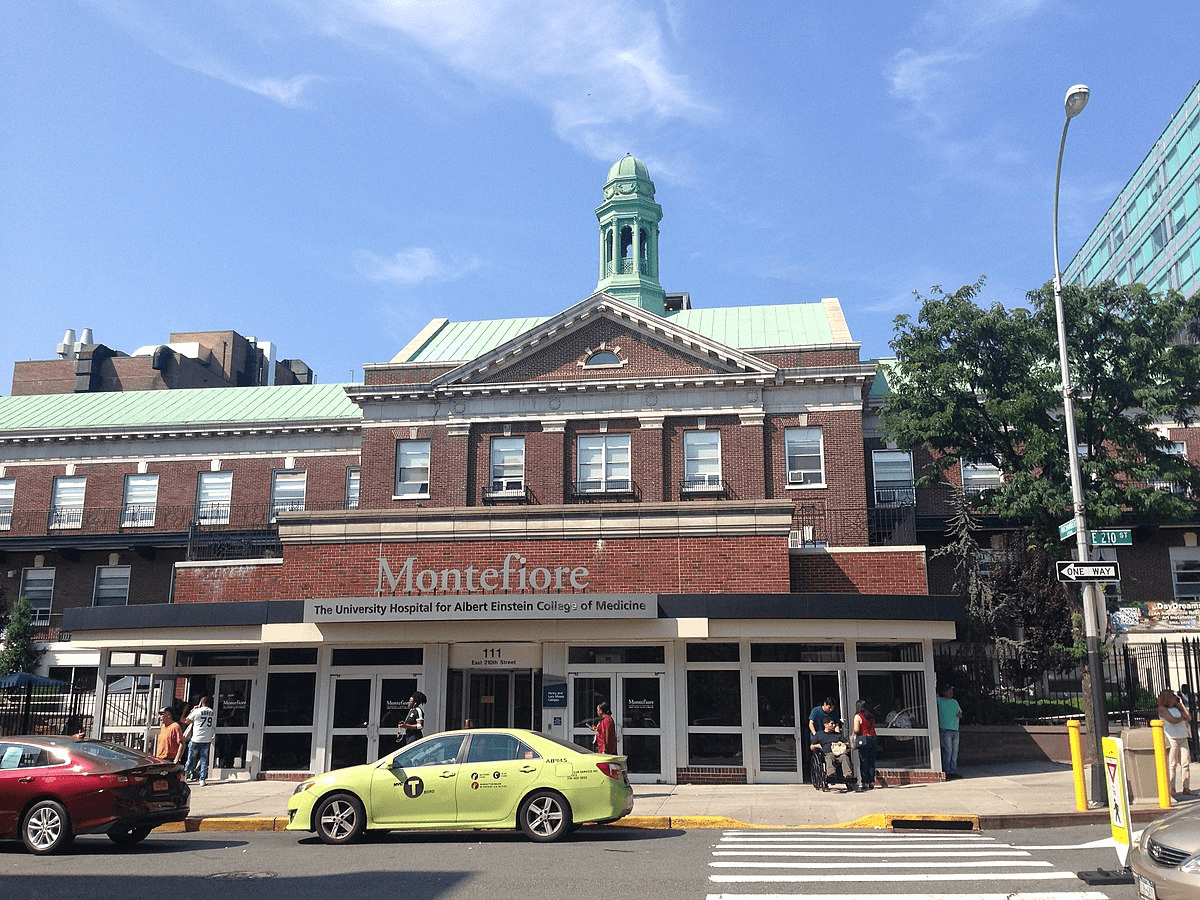
At the start of its activity, MMC took care of chronically disabled people, i.e., people whom other hospitals no longer wanted to help. In the first year, there were 6 patients with tuberculosis (at that time it was a terrible disease that was almost untreatable) and other diseases. In a few years, the number of patients grew. Thus, the question of expanding the hospital arose. So it moved to Broadway on West 138th Street. 11 years later (in 1901), the hospital was renamed Montefiore Hospital for Chronic Diseases. In the same year, it moved to the Bronx, 111 East 210th Street. This was the beginning of one of the largest medical institutions in New York.
Medical improvements and innovations in the hospital
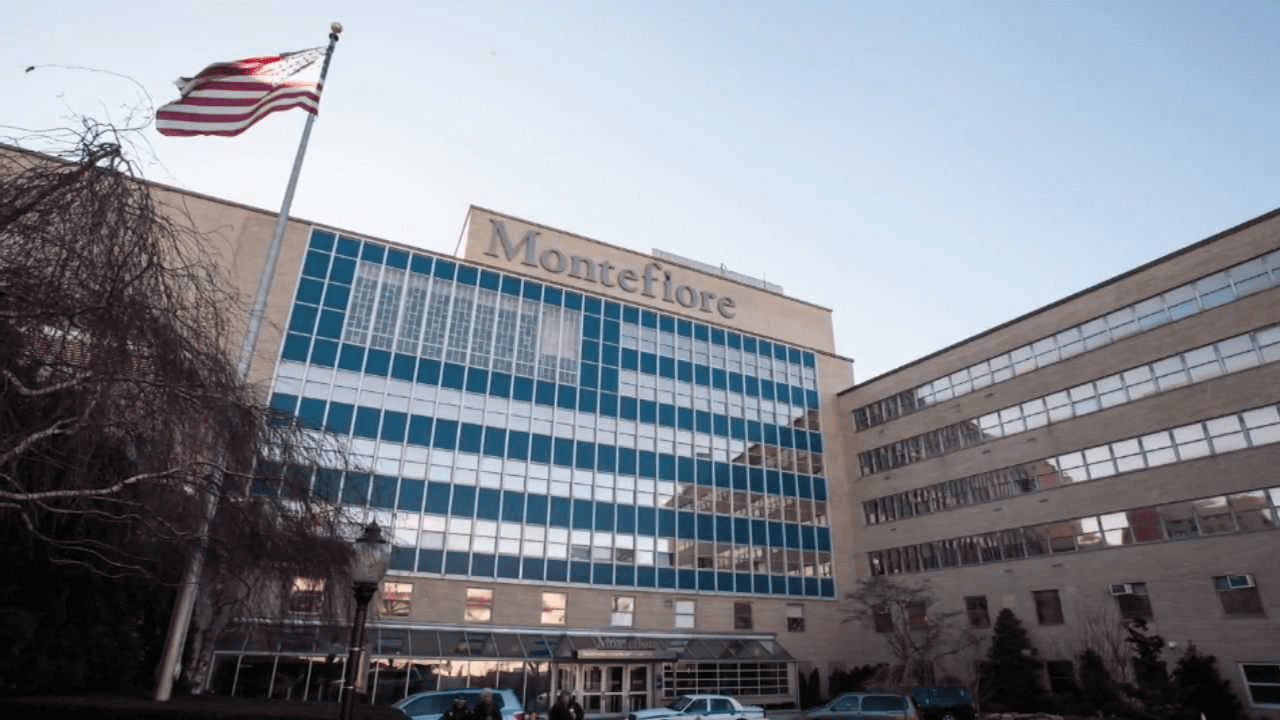
The hospital was created for a reason. From the very first days, it was staffed by true professionals who were not afraid to experiment and implement the latest treatment methods. That’s why the center was one of those that used the substance tuberculin to treat its patients in 1890 to determine the presence or absence of tuberculosis. In 1901, they began treating asthma with a substance called adrenaline chloride. (It doesn’t sound very pleasant, but it’s probably effective).
Later, the hospital’s medical staff developed a device called a cardiotachometer (1920). It helped to measure the heartbeat of patients. It was a know-how at the time. Today it is in one of the city’s museums.
Also in the early twentieth century, MMC saw the prospect of treating patients at home. Therefore, they created a social and psychosocial work department. In 1912, a new hospital in the Bronx was built based on this department. This area of service continued to expand.
In the 50s and 70s of the twentieth century, a device was designed here, which received the working name heart-lung. It was used during surgeries to improve the condition of patients born with heart defects. In 1958, MMC created a device that helped the heart function (a transvenous pacemaker).
Nowadays, doctors at this hospital have introduced the first intracardiac pacemaker. It helps to successfully combat Stokes-Adams attacks (a disease that blocks the heart and leads to loss of consciousness).
It was also in this hospital that a direct link between endocarditis and colon cancer was discovered. It allowed for more effective treatment of various diseases.
In the early 2000s, conjoined twins were separated at the hospital after a series of operations. This speaks to the professionalism of the doctors who work there.
In 2020, when the world was suffering from the COVID-19 epidemic, it was in this hospital that the test for the disease was first tried.
Hospital structure
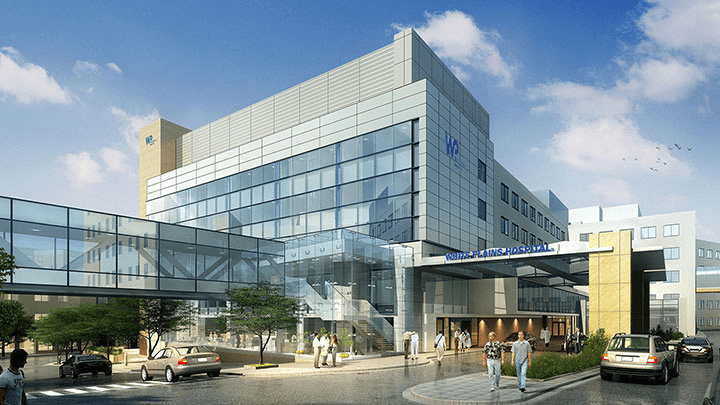
If you thought MMC was a single hospital in the Bronx, you were wrong. It consists of 14 hospitals and more than 180 medical facilities located in NYC, the Bronx and New York State. As of 2021, there were more than 40,000 employees working in various fields of medicine, including doctors, nurses, administrators, technicians and other specialists. The number of their clients changes frequently and is difficult to count, as the facility invests a lot of effort in home care. As of 2019, MMC provided medical care to more than 109,000 patients in various areas of its operations, including 85,000 hospitalizations per year and more than 7,000 deliveries.
Further development
The center made important achievements after it merged in 1963 and began operating as a training base for third- and fourth-year students of the Albert Einstein College of Medicine. In 1966, a children’s renal center was established here as part of a program for the treatment of kidneys in children.
The center continued to develop. They introduced a program for monitoring pacemakers by phone, performed kidney surgery on a child and replaced this organ with a healthy one.
The center continues to develop social work in various fields (internal medicine, family medicine and pediatrics). The center also focused on other areas of medical care. It created a residency program in the social sphere, launched a public program for the treatment of patients with lead poisoning, provides assistance to NYC prisoners and treats AIDS. They also created a child protection center (assessment, treatment, prevention of abuse), provide assistance to children without parents and established cooperation with medical centers in Israel.
In 2007, the center was one of the recipients of a USD 20 million development grant from the Carnegie Corporation and NYC Mayor Michael Bloomberg.
In 2017, the center faced criticism for its lack of patient care. It was accused of dividing the wards into two parts to hospitalize more patients, placing patients in the corridors, broken equipment and lack of staff attention to patients (some spent 3 days in intensive care).
Famous personalities in the institution’s history
Notable members of this institution who have successfully worked or are working in NYC and other U.S. cities include Jo Ivey Boufford, Lucille C. Gunning, Camara Jones, David Kindig, Steven Safyer, who was a director of the company until 2019, and many others.
Thus, MMC is a large institution that unites thousands of doctors, nurses and other staff working here with one goal in mind, to help the U.S. population overcome their illnesses.