

This isn’t just a school; it’s a holistic community that combines high-level academics, humanistic ideals, and the development of ethical principles. It fosters individuals who can think for themselves, discover new things, create, and strive to make a difference in the world. The core of its education is built on support, inclusivity, and genuine human values. Read on to learn more about this unique Bronx educational institution on bronx1.one.
A Brief History
The Ethical Culture Fieldston School (ECFS), known simply as Fieldston, educates children from pre-kindergarten through twelfth grade. It’s located on two campuses: one in Manhattan and one in the Bronx. The school blends academic excellence with the values of ethics and social responsibility. It has about 1,700 students, supported by a team of over 480 faculty and staff. ECFS is also a member of the prestigious Ivy Preparatory School League, which underscores its academic standing.
It all started in 1878 when 26-year-old Felix Adler founded a tuition-free kindergarten in Manhattan. His desire to provide education to children from all social classes quickly resonated with the public. Soon, the renowned sociologist Lewis Hine joined the school, and two years later, primary grades were added, and the school was renamed “Workingman’s School.” By the 1890s, thanks to its growing reputation, the school expanded and began charging tuition, changing its name to the “Ethical Culture School.”
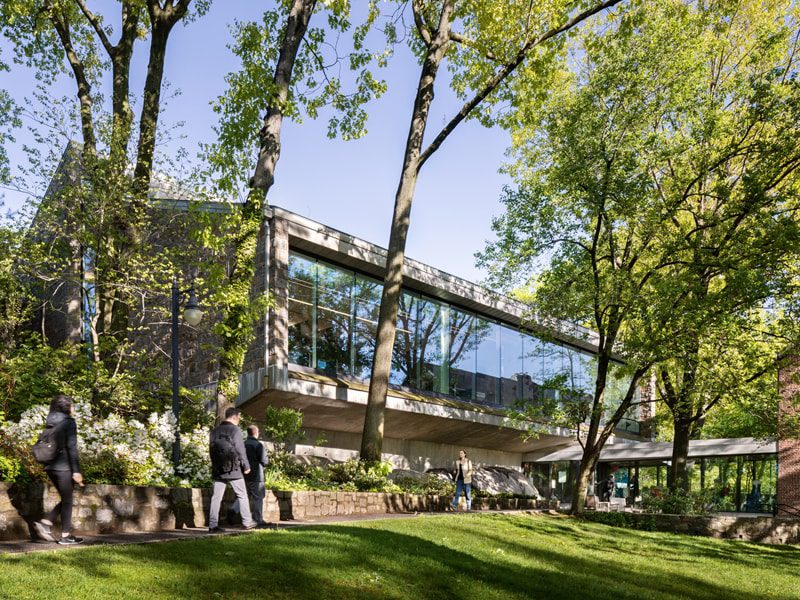
In 1904, the school moved to a new building next to the Society for Ethical Culture, which later became its sponsor. In 1928, the Fieldston high school campus opened in the Bronx. Throughout its history, Fieldston has offered diverse programs: summer camps, teacher training, and experimental classes, all of which enabled the school to create a unique educational experience for each student. Administrative leadership has evolved from the school’s long-time head, Felix Adler, to the modern system of directors and boards of trustees. Distinguished educators such as W.T. Thayer, Victoria Wagner, and Howard Radest contributed to shaping the school into an intellectually and ethically driven community.
School Reputation and Core Principles
Fieldston has an average rating of 4.44 out of 5 on Niche reviews, earning a well-deserved “A+” grade. In New York, it ranks 10th among private high schools and is in the top 9 private K–12 schools in the state. On a national level, it’s even more highly regarded, ranking 16th among the best private K–12 schools, 40th among private high schools, and 72nd for college prep.
The academic standards are high, and students feel it. According to surveys, 71% of students believe Fieldston has a national reputation, and 79% are convinced that all students take their studies seriously. Parents add that the school combines a supportive yet demanding approach; here, children don’t just succeed, they genuinely fall in love with learning.
Class sizes are small, with a student-to-teacher ratio of about 7:1, allowing educators to give individual attention to each student. In this environment, interests and career paths are easily formed, ranging from business and biology to medicine, political science, economics, psychology, computer science, law, history, and English.
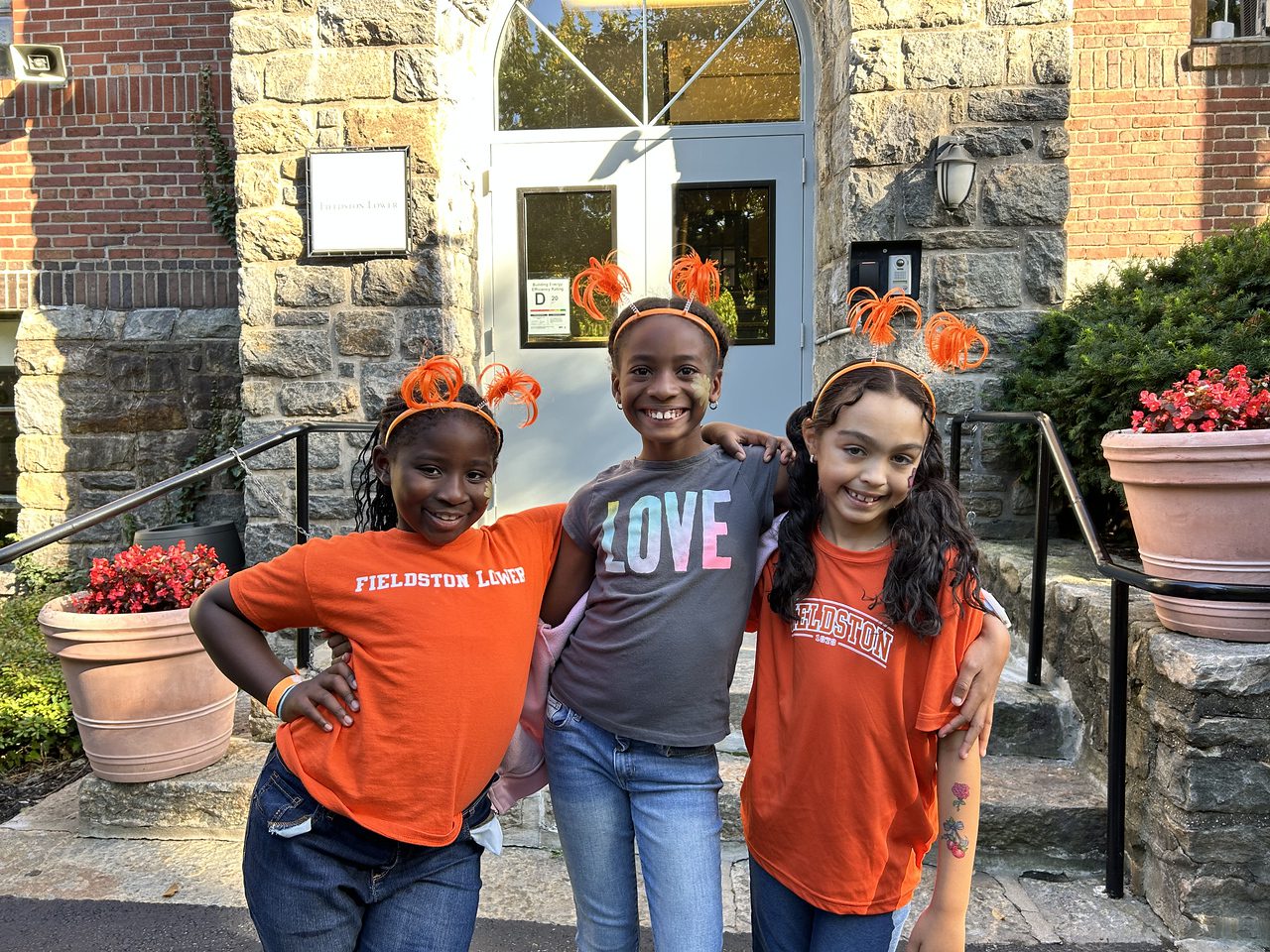
At Fieldston, the focus isn’t just on knowledge but on personal growth. Children mature not only intellectually but also as human beings. High academic standards are combined with warm support and shared values, creating a true ecosystem where every student has the chance to grow, feel like part of a community, and discover their own path in the world.
Academic Achievements
The Ethical Culture Fieldston School, along with Riverdale and Horace Mann, forms the well-known triad of “hill schools”—all located on the scenic hills above Van Cortlandt Park in the Bronx.
The school’s progressive pedagogy is aimed at the holistic development of the child: intellectual, physical, emotional, and social. It blends adaptability, relevance, hands-on experience, and even elements of play into the learning process.
Another unique feature of Fieldston is the freedom given to teachers in designing their curricula. In 2002, the school stopped participating in the Advanced Placement Program so that educators could offer more challenging and creative materials that encouraged students to think deeply.
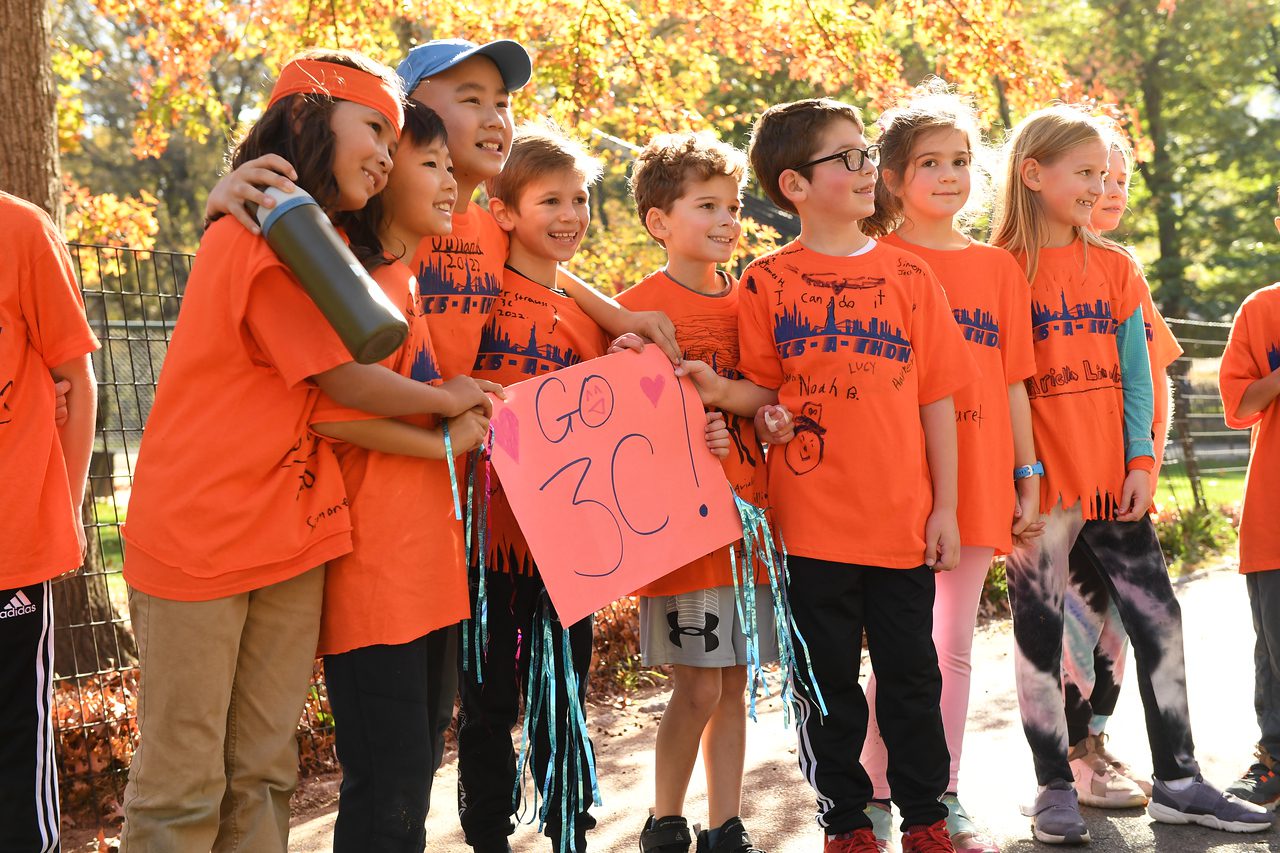
Students are actively involved in school life, creating their own publications. The Fieldston News is the high school’s newspaper. There is also the literary magazine Inklings, edited by upper school students, which is published annually in print.
The school is divided into four divisions: the Ethical Culture Lower School on Manhattan’s Upper West Side (pre-K to 5th grade), the Fieldston Lower School in Riverdale, the Middle School (grades 6–8), and the Upper School (grades 9–12). Tuition here costs over $60,000 per year, but the school provides over $15 million in financial aid annually, supporting 22% of its students.
Fieldston in Sports and Extracurricular Life
Fieldston is proud of its strong sports program. In the middle and upper schools, there are about 60 junior varsity and varsity teams. Since 2000, school athletes have won 26 state championship titles and 65 league victories. The teams cover a wide range of sports.
The fall seasons feature cross country, field hockey, football, girls’ tennis, volleyball, and water polo. In winter, the focus shifts to basketball, ice hockey, squash, swimming, table tennis, and indoor track and field. In the spring, students compete in baseball, golf, lacrosse, softball, tennis, track and field, and even ultimate frisbee. The girls’ volleyball team was a particularly standout group, winning the New York State Association of Independent Schools (NYSAIS) championship in 2023 with an undefeated 21–0 season.
But life at Fieldston is not just about sports. Even in the lower grades, students can choose from after-school programs that include cooking, golf, robotics, chess, and many others. In the middle and upper schools, there are over 80 student clubs, affinity groups, and educational organizations, giving everyone a chance to find something they love and develop their talents outside of the main curriculum.
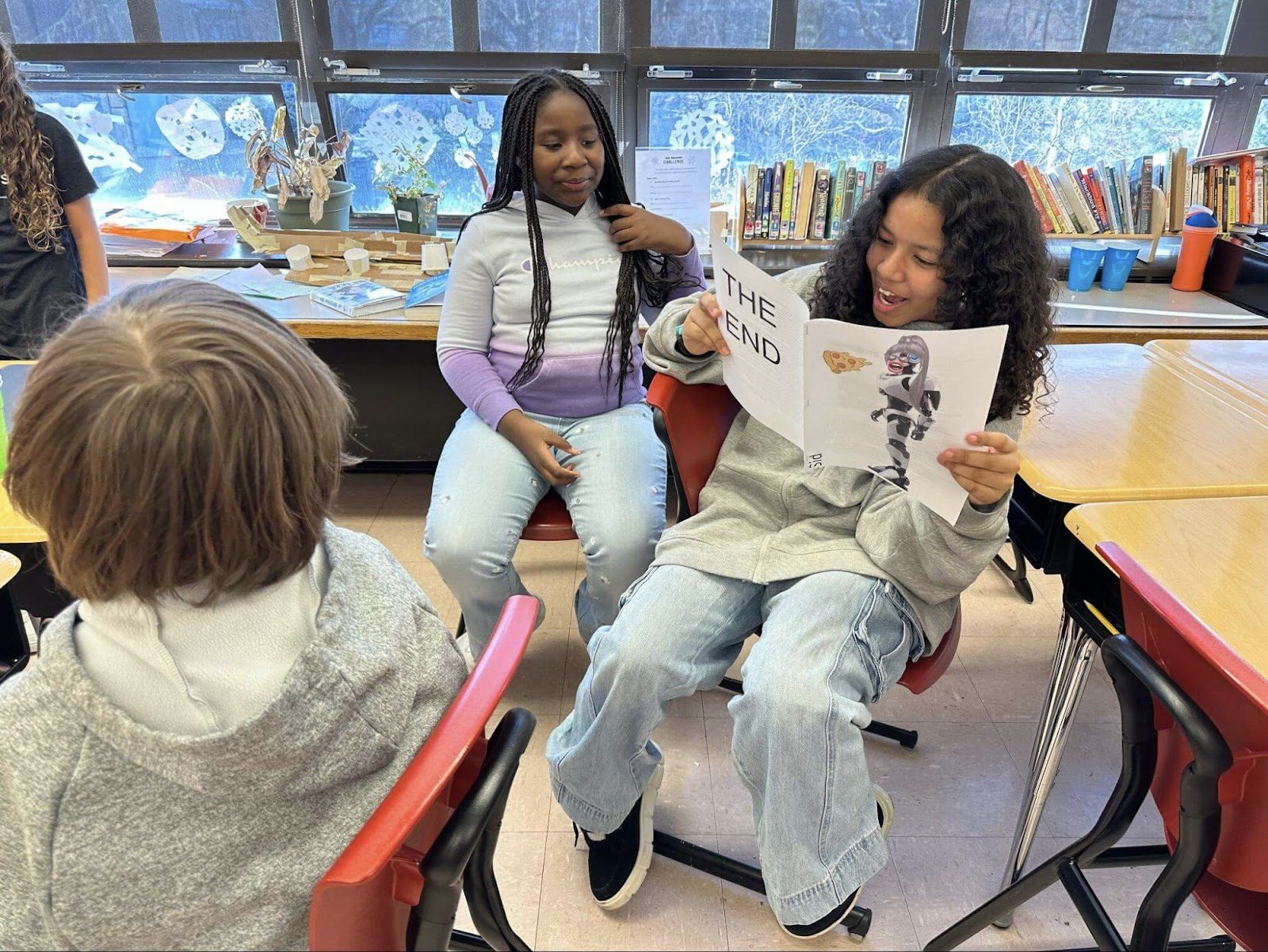
Fieldston demonstrates that a child’s true development is not possible in the classroom alone; here, learning and an active life go hand in hand, shaping well-rounded and socially engaged students.
The Fight for Equality and Conflicts at School
Fieldston’s history is not limited to academic achievements; the school has also been an arena for the fight for social justice. In March 1970, about 60 students organized a protest, occupying an administration building. They demanded greater representation of Black and Puerto Rican students, more courses on minority issues, and the hiring of more diverse teachers, counselors, and staff. Some of the protesters’ demands were heard and met, laying the groundwork for further changes in school policy.
Continuing this tradition of activism, since 2015, the school has held mandatory weekly “affinity group” meetings where students discuss issues of race and prejudice. The program sparked debate among parents, some of whom were critical of it, but it has remained an important element of fostering tolerance.
In February 2019, the school was at the center of a scandal after an old video surfaced in which students used racist and derogatory language. The administration disciplined the students involved, but some students felt the measures were insufficient and organized a sit-in, occupying an administrative building overnight. Their demands included increasing the number of courses on racial prejudice, admitting more minority students and faculty, and making an ethnic studies course mandatory. Most of the proposals were accepted, and students founded an organization called SOCM (Students of Color Matter), which continues to implement the initiatives started during the protest.
In November 2019, the school was again in the spotlight due to a guest speaker who compared Israel’s treatment of Palestinians to the Holocaust, which led to accusations of antisemitism. This situation was actively discussed by reform Jewish leaders and media outlets, including the New York Times. In January 2020, the school fired a Jewish teacher for public comments on Twitter related to the incident, which also drew criticism and calls from parents to reinstate him. The conflicts around the Israeli-Palestinian issue only heightened tensions in the school environment and received extensive media coverage.
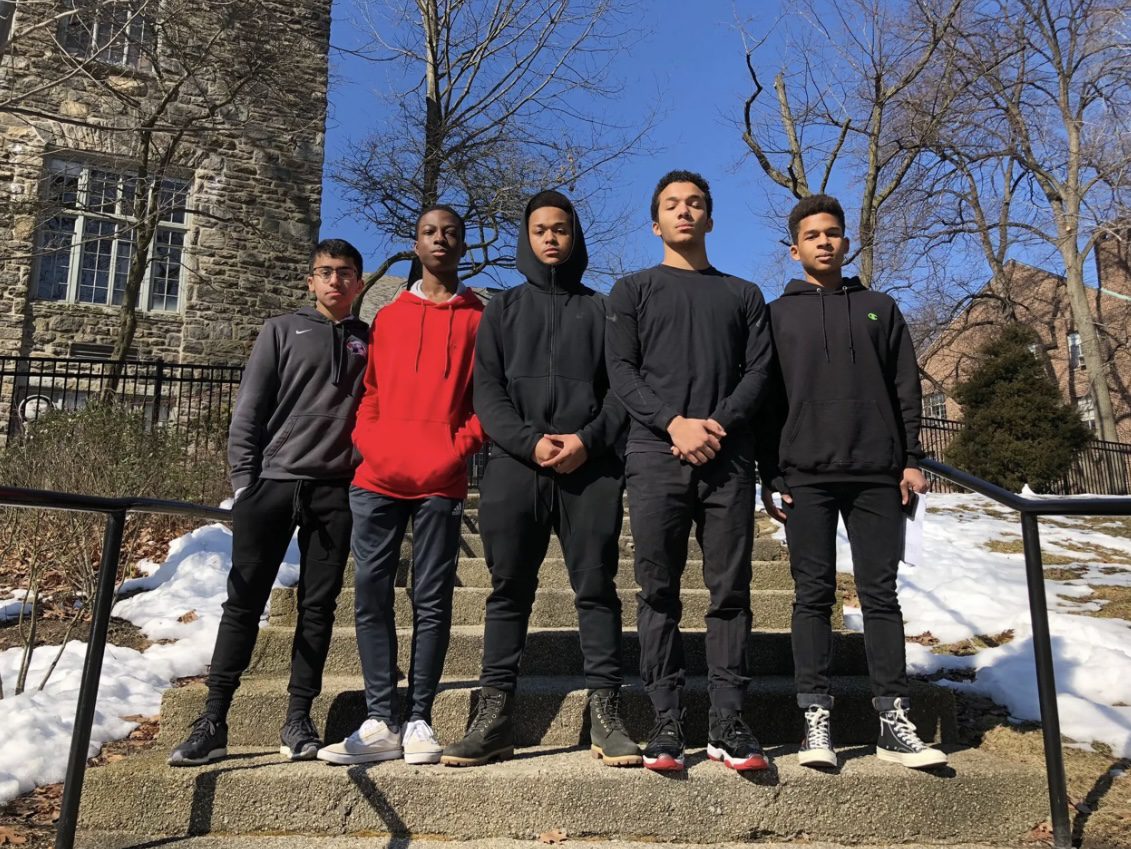
Such events show that Fieldston is not just an academic community but a living space where students and teachers learn to stand up for their rights, overcome conflicts, and shape their own values in a complex world.