

A distinguished Puerto Rican civil rights activist and educational reformer, Evelina Lopez Antonetty fundamentally changed the lives of Latino children in New York City. She was a fearless fighter for civil rights, social justice, and Puerto Rican independence, using every tool available—from coalitions to boycotts and electoral campaigns—to empower her people. Read on to learn more about her determined struggle on bronx1.one.
A Turbulent Childhood
Evelina Lopez Antonetty was born on September 19, 1922, in the fishing village of Salinas, Puerto Rico. She was the eldest of three daughters in a family often tested by hardship. Her childhood was marked by natural disasters and economic crises: the devastating San Felipe Segundo hurricane that ravaged the island in 1928 and the stock market crash that kicked off the Great Depression, which crippled Puerto Rico’s fragile economy. When the sugar industry that sustained most local families collapsed, thousands were forced to seek a better life overseas.
Among them was Evelina’s mother, Eva Cruz Lopez. To give her daughter a chance at a different life, she sent the eleven-year-old girl on a five-day steamship journey to New York City. There, in the tight-knit quarters of East Harlem, known as El Barrio, she was awaited by her aunt Vicenta and uncle Enrique. Vicenta, a passionate advocate for social justice and community activism, became a spiritual guide for her niece.
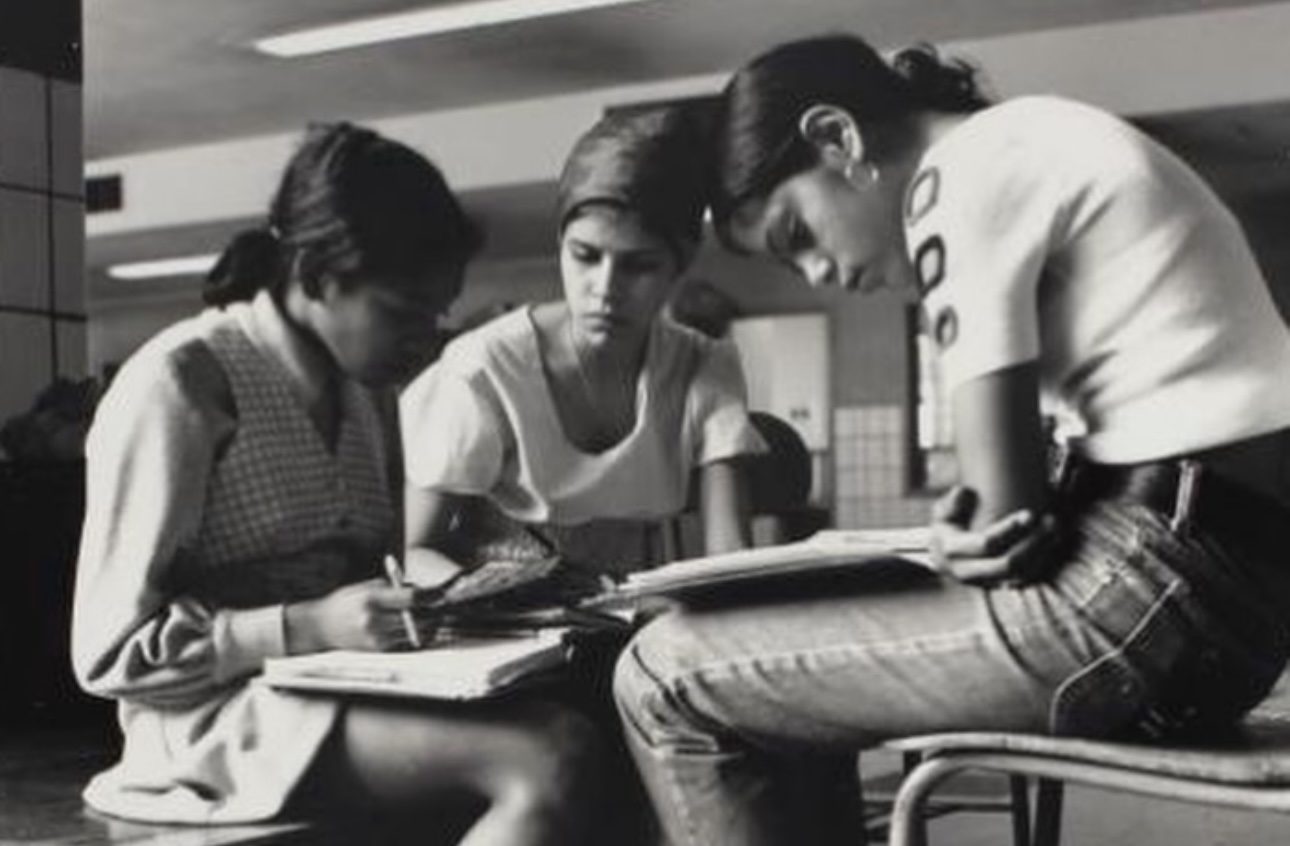
School years in New York were difficult. Evelina faced the prejudice and discrimination that was all too familiar to the children of immigrants. But these challenges strengthened her character and taught her to fight not just for herself but for those who had no voice. This sense of injustice, combined with her aunt’s example, became the fertile ground where Evelina’s future activism would take root.
The child from a poor fishing village was transforming into a woman who would one day challenge the system, changing the lives of thousands of children in the Bronx and far beyond.
The Voice of the Community
In the late 1930s, young Evelina was no longer just an immigrant girl in El Barrio; she was becoming part of the neighborhood’s political life. Alongside her aunt Vicenta, she listened to impassioned conversations with labor leader Jesus Colón, watched Congressman Vito Marcantonio organize campaigns, and helped residents with pressing problems—from evictions to language barriers. She translated, supported, and learned in the thick of the struggle, and it was there that her calling was born.
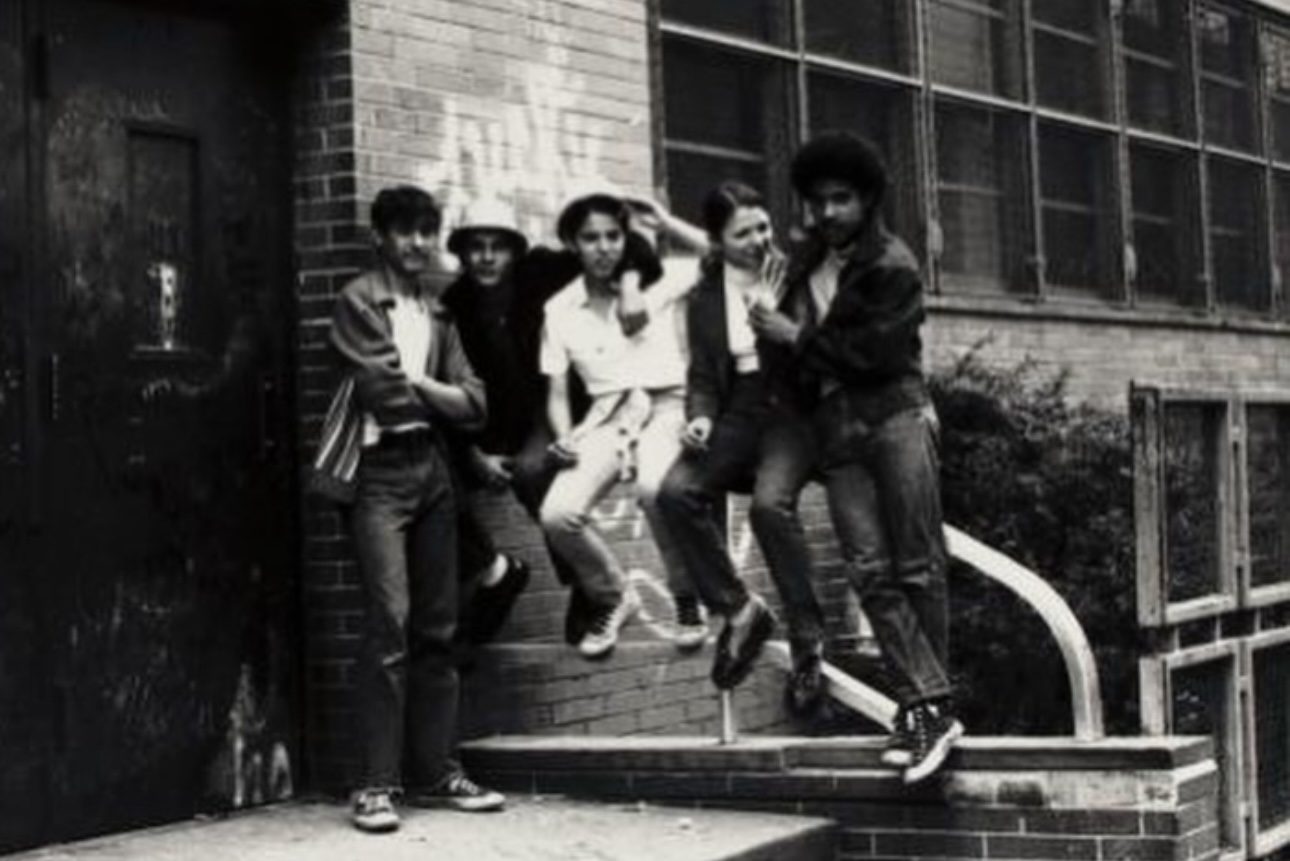
She later applied these lessons in the South Bronx, where she worked at District 65 of the United Auto Workers. There, Evelina became one of the first Latinas officially hired by the union, which opened doors for thousands of other women and men seeking employment and fighting for their rights.
Her personal life also became intertwined with her community work. After getting married, she focused on her family for a time, raising three children in the Bronx. But when her daughter Anita started school, her mother’s experience and the injustice faced by other parents brought Evelina back to activism. She joined the parent association and quickly realized that the problem with education required an organized response. This is how the idea for the United Bronx Parents was born.
Antonetty’s energy was boundless: she fought against flawed testing methods for Spanish-speaking children, organized sit-ins and parent demonstrations, pushed for the opening of Head Start preschool programs, and even headed the first such center in the city. Evelina broke down stereotypes, inspiring the community to have pride and self-respect, proving that even in poverty, people have the right to self-determination and control.
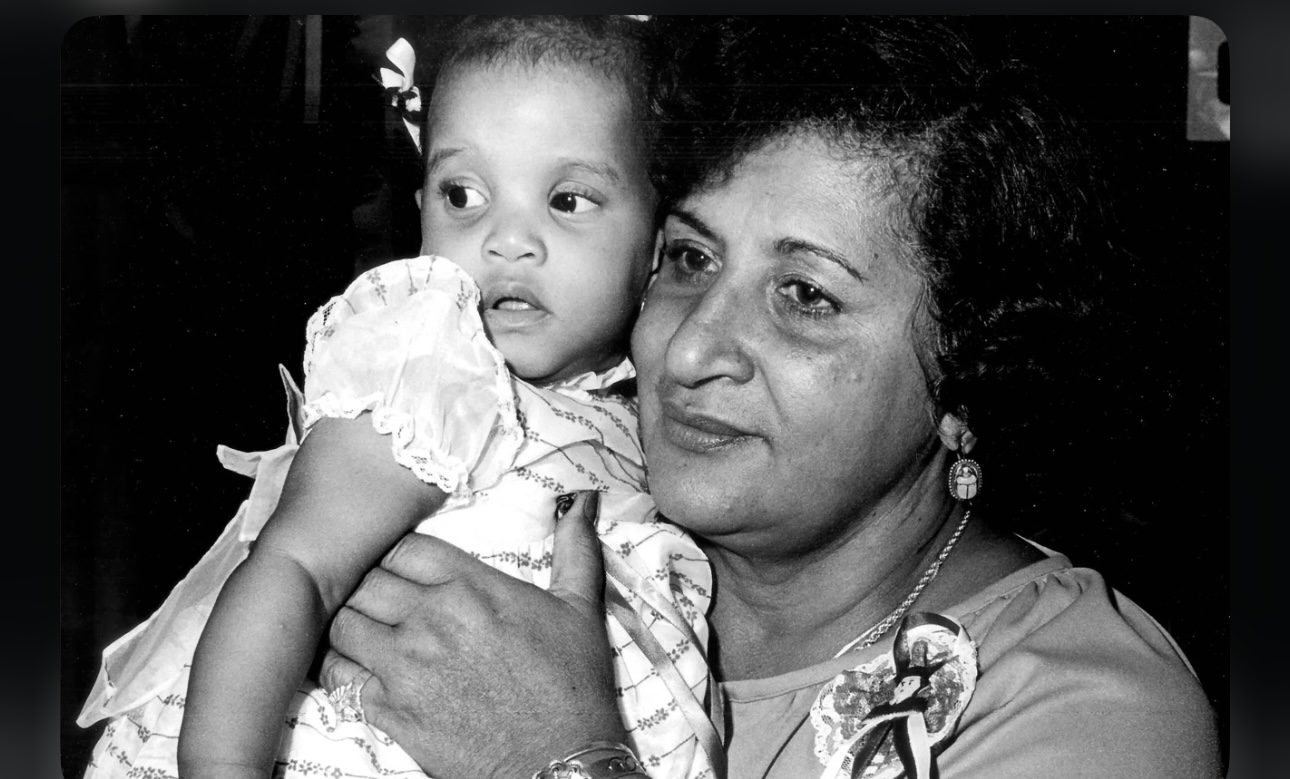
She was wherever the community’s fate was being decided—in negotiations for school decentralization, protests against the Vietnam War, marches, and takeovers of government offices. Her voice was loud and uncompromising, and her belief in the power of the community made the impossible possible.
The “United Bronx Parents”
In 1965, from a small but determined action in a closed storefront, an organization was born that would change the South Bronx. The United Bronx Parents (UBP), founded by Evelina Lopez Antonetty, came into existence when the community demanded the removal of a teacher who was abusing his position. From that moment, UBP became the voice of parents and children who had been ignored by the school system for years.
Initially, it was an organization that held workshops for parents, helping them understand educational programs, teacher quality, and their children’s rights. Antonetty immediately challenged the prejudice that poverty was the cause of academic failure. For her, the cause was inequality, and she taught parents how to fight it. It was from this position that UBP achieved a historic victory—the opening of the first bilingual schools in the South Bronx in 1968.
But educational reform was just the beginning. UBP expanded, engaging African American mothers and beginning to operate far beyond the neighborhood. They fought for clean streets and against toxic waste, against police brutality and racist films, for tenants’ rights, and for fair housing. The UBP office became a community center where discussions buzzed, new campaigns were launched, and protests were organized.
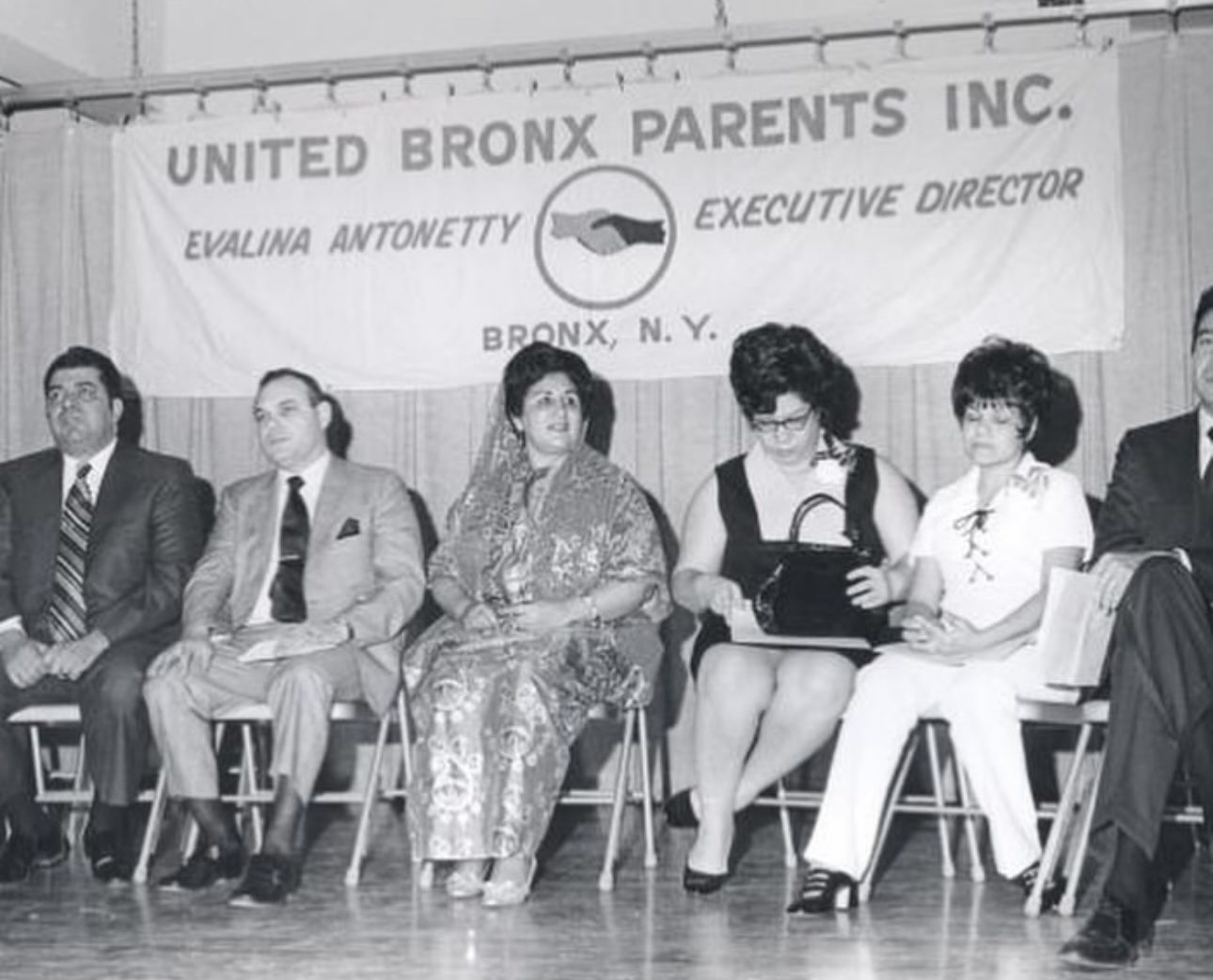
One of their most famous victories was the campaign against school lunches. Evelina led parents into cafeterias where children were served sour milk and cold soup. She made officials taste the same food, after which the community presented its own examples of cheaper, healthier, and tastier lunches. And while the resistance was strong, UBP eventually won a contract to feed the children. By 1971, they were preparing 150,000 full meals daily, becoming the only non-governmental organization entrusted with this task.
Evelina Lopez Antonetty constantly educated parents about their rights and even created guides to inform them on how to advocate for their children at school. As one UBP brochure stated:
“If only one or two children are failing in a class, there’s probably something wrong with those children. But if two-thirds of the children are failing, there’s something wrong with the school.”
UBP also left a deep mark on higher education. In 1973, the organization opened its own Urayoan University—a bilingual college inspired by the ideas of Paulo Freire. Its goal was to educate a new person who knew their roots, heritage, and responsibility to the community. Although the university did not last long, it became a symbol of how UBP envisioned the future of education.
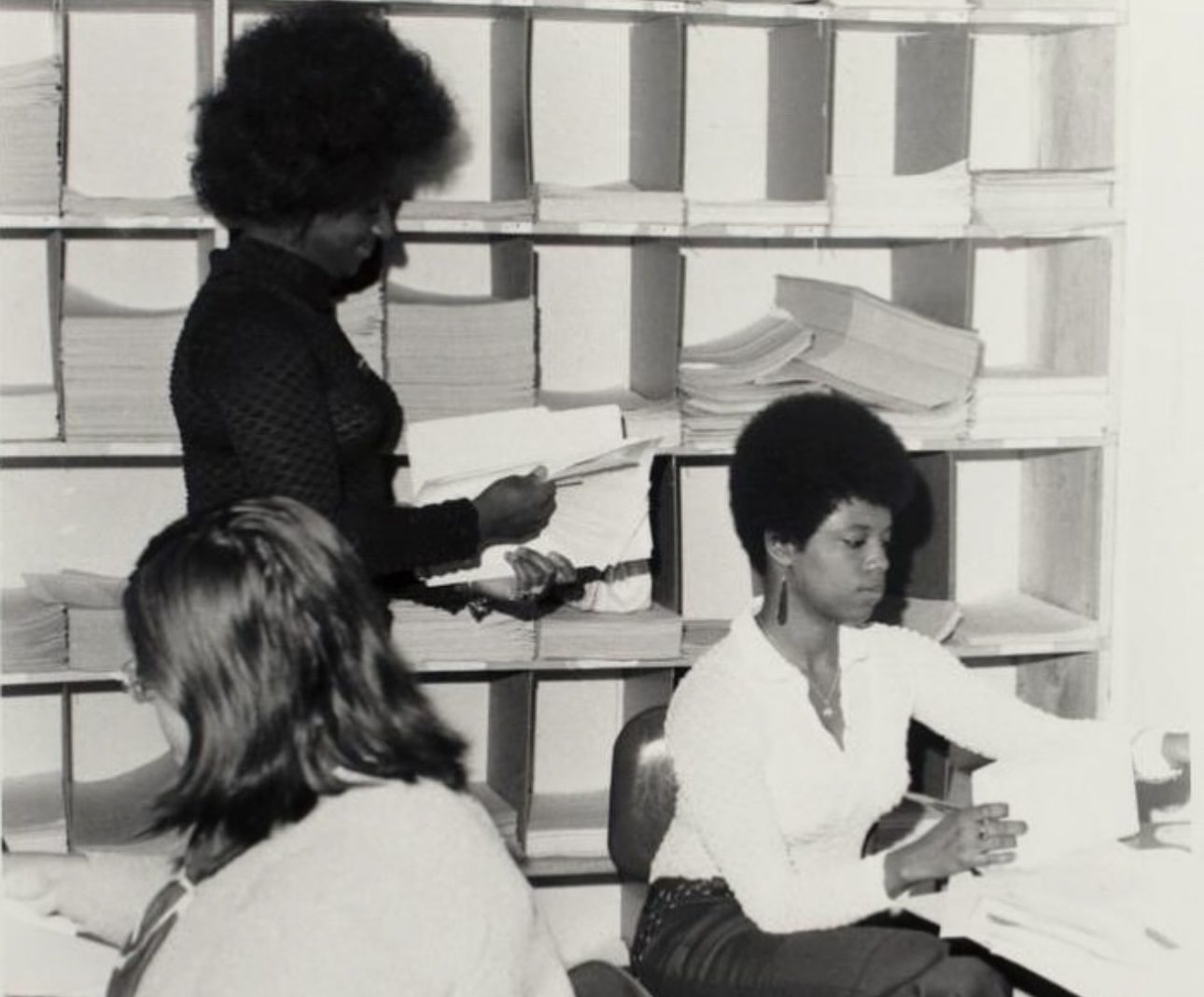
Evelina was not just an organizer; she was the true heart of UBP. Every morning, she greeted visitors with the words “Aqui, estoy” (“I am here”), hugged everyone, and even brewed coffee for guests herself. For children and colleagues, she was an example of warmth, strength, and an uncompromising belief in self-determination.
Legacy and Contribution to Public Life
Evelina Lopez Antonetty’s activism extended far beyond the Bronx. She supported students at Hostos Community College in their fight for bilingual programs, participated in international movements like MADRE, defended Puerto Rican political prisoners, and brought the issue of Puerto Rican independence to the UN level.
Even after her death in 1984, Evelina’s legacy lived on within the walls of UBP. The organization evolved from a small local initiative into a major social agency that joined the Acacia Network in 2011. UBP became proof that a small group of parents could change an entire system.
In 2011, a mural honoring Evelina Antonetty was created in the South Bronx as a symbol of her tireless fight and love for the community.
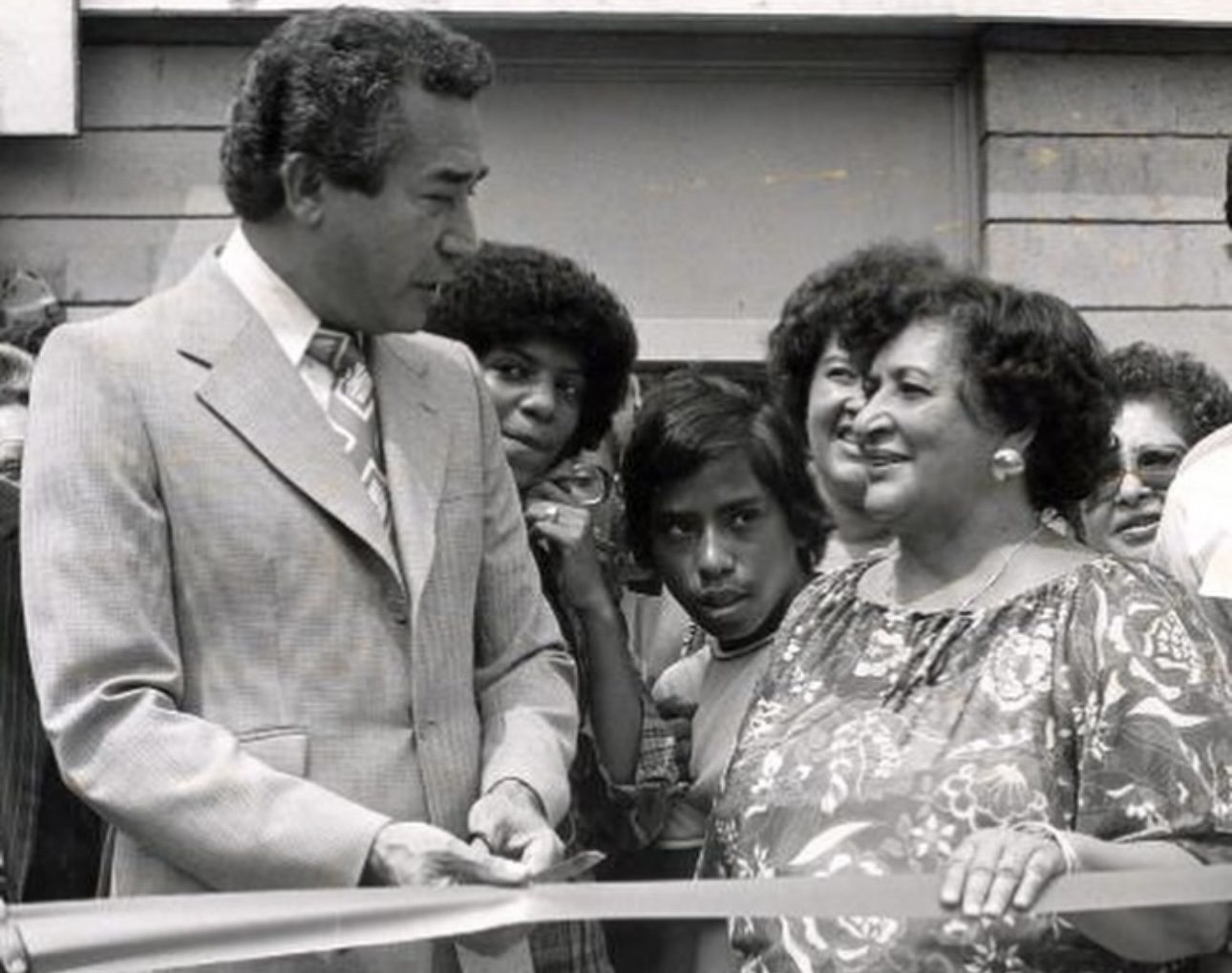
In October 2020, a playground was officially dedicated in her honor. The former Harrison Playground, located near the college, was renovated and rebuilt. The opening ceremony was attended by the interim president of Hostos Community College, Daisy Cocco De Filippis, City Parks Commissioner Mitchell Silver, local officials Carmen Arroyo and Rafael Salamanca Jr., Antonetty’s daughter Anita, and her sister Elba Cabrera, who serves on the board of the Hostos Foundation.
“It was an honor to share this moment with Evelina’s family. Naming this playground after her is a historic step. Evelina fought for the rights of the underprivileged, and it’s because of people like her that our college exists. This moment unites us in our shared values and purpose,” said Dr. Cocco De Filippis.
Evelina Lopez Antonetty was honored with numerous awards, including the Fannie Lou Hamer Award, the Abraham Lincoln Award for Social Services, and an honorary degree from Manhattan College.
Evelina Lopez Antonetty is remembered as the “Mother of the South Bronx,” who fiercely defended her “children” with the courage of a lion and empowered them to fight for freedom and equality.