

Horace Mann School is synonymous with excellence, intellect, and competition. It shapes America’s future leaders and offers one of the highest levels of secondary education in the U.S. But its history is not without challenges, as the school once faced a major scandal that brought it to the brink of closure. Read on for the details on bronx1.one.
Founding History
The story of Horace Mann School began in 1887 when educational reformer Nicholas Murray Butler decided to establish an experimental learning institution in conjunction with Columbia University’s Teachers College. The school was initially located in the heart of Greenwich Village on University Place, but its growing popularity and student body forced a move in 1901 to a larger facility on 120th Street in Morningside Heights. In 1914, the school split by gender—the boys moved to a new campus on 246th Street in the Riverdale section of the Bronx, while the girls remained under the care of Columbia University.
By 1940, the school had fully separated from the university and became an independent educational institution. The class of 1976 was the last all-male class, as the school became co-educational from that point on.
The school was named after Horace Mann, a passionate advocate for free education, reformer, and an intellectual who, as Secretary of the Massachusetts Board of Education, a congressman, and president of Antioch College, made an invaluable contribution to making school education accessible.
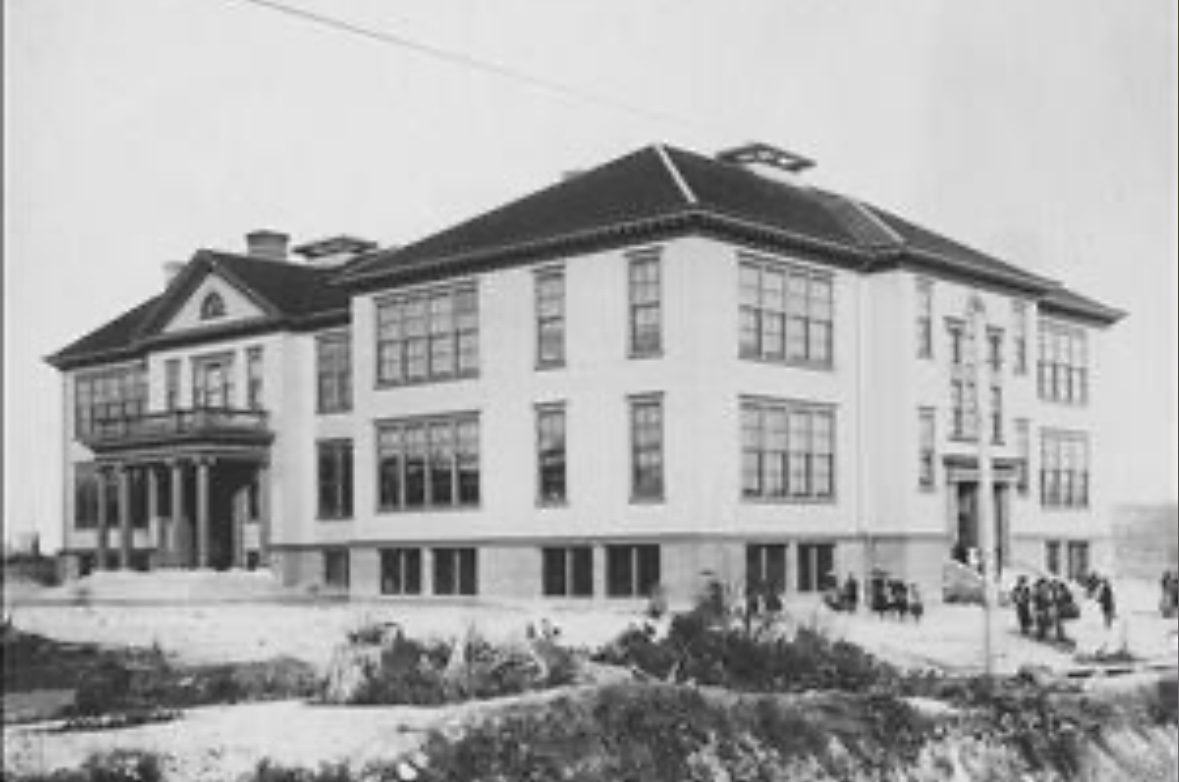
Interestingly, another school with the same name emerged in a completely different part of the country—in Seattle. It began in 1901 as a temporary facility to relieve the overcrowded Minor School. A year later, a full-fledged Colonial Revival-style building was completed, and in 1921, the school was officially named after Horace Mann.
A Major Renovation
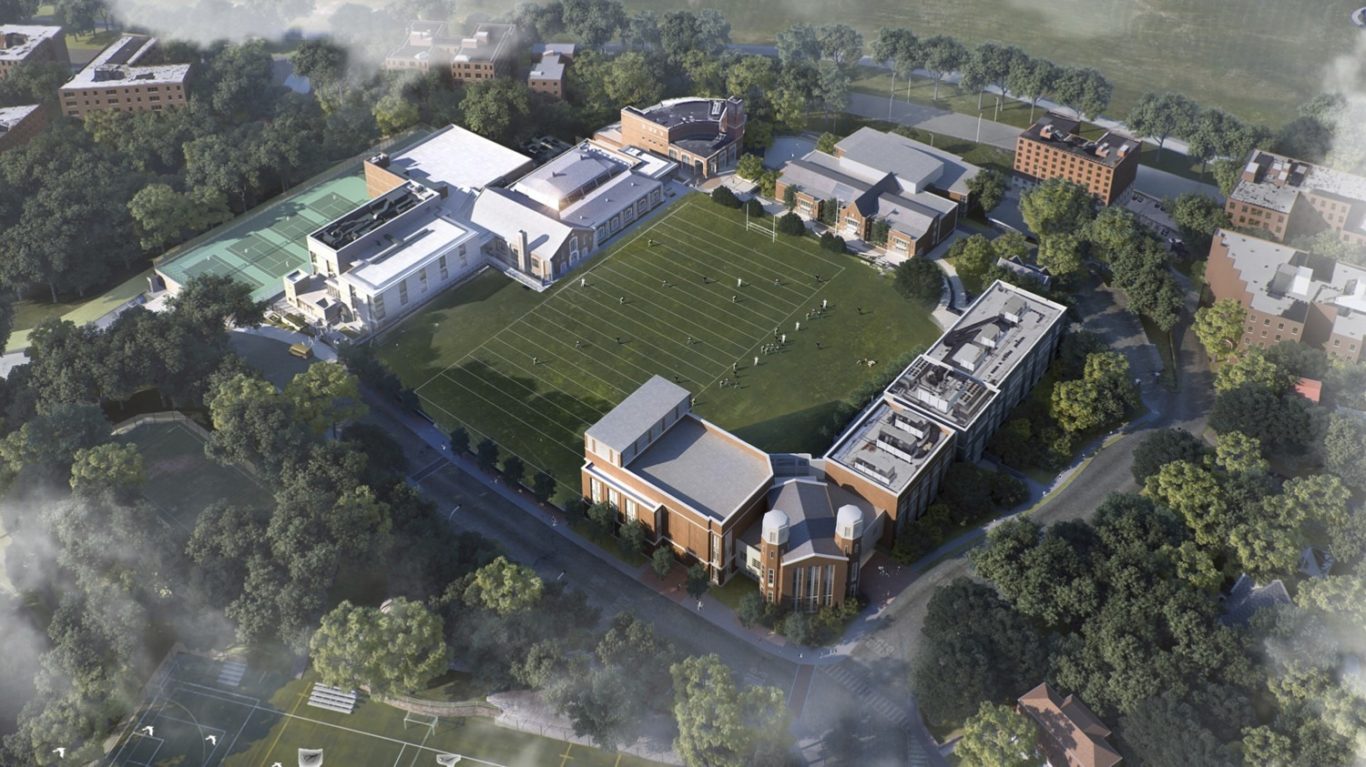
Between 2016 and 2018, the Horace Mann School in the Bronx underwent a new rebirth—both physically and conceptually. The architectural firm SOM (Skidmore, Owings & Merrill) completed a massive transformation of the school’s north campus, which houses the middle and upper divisions. The master plan involved blending old-world architecture with modern approaches to space, where education, sports, and student life merge into a single, cohesive system.
Key elements of the new buildings included:
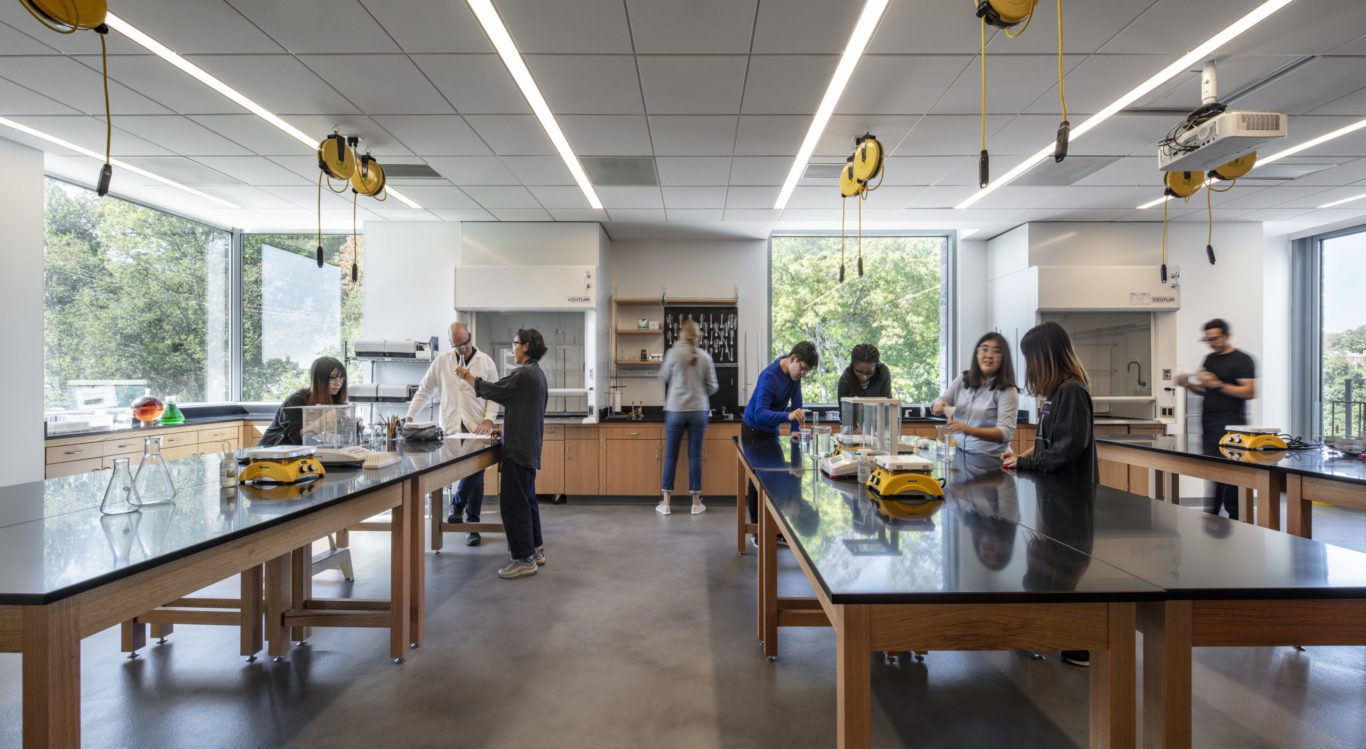
- A science center with laboratories for physics, chemistry, and biology, classrooms, and preparation and research rooms.
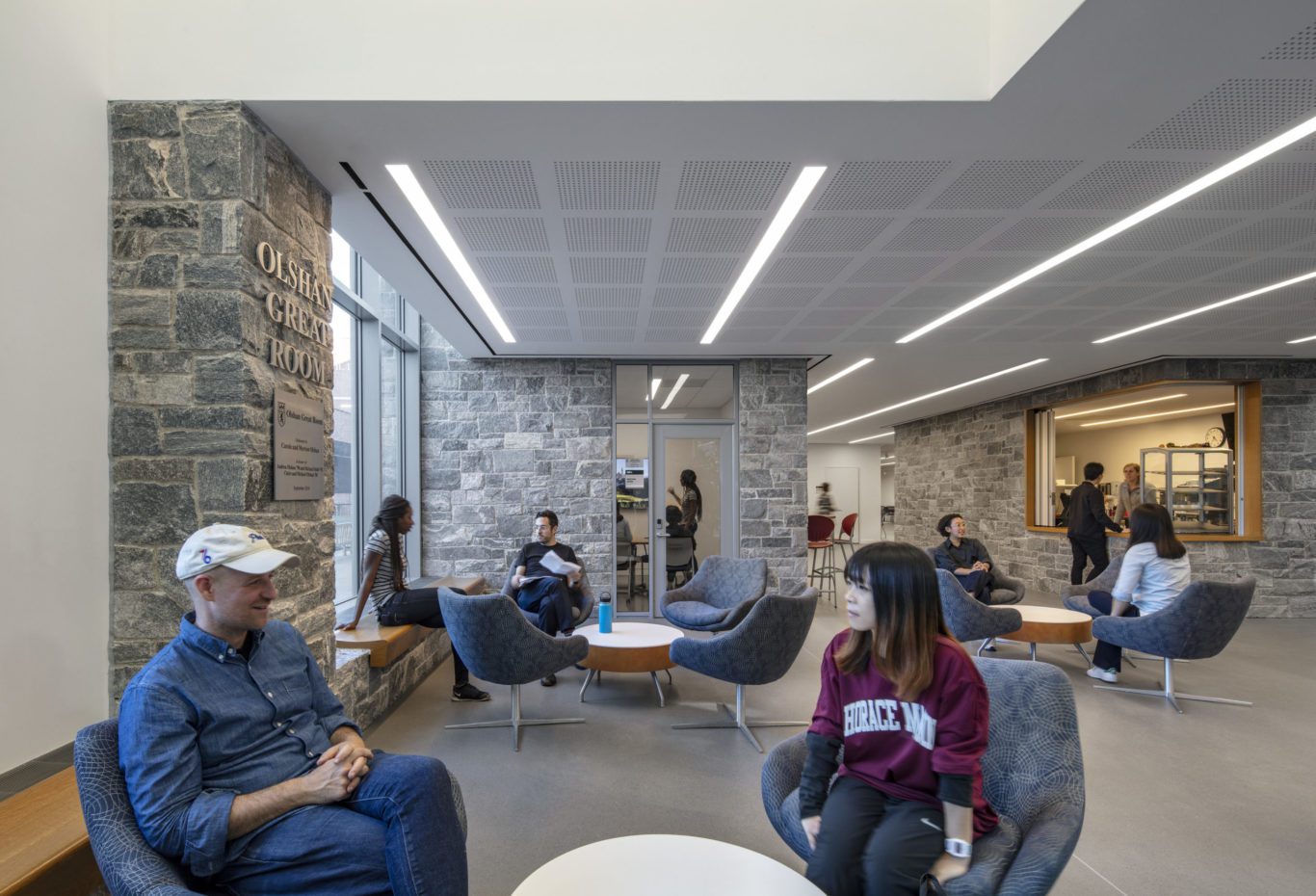
- A multi-level campus center with a large meeting room and lounge areas that encourage both independent and group study.
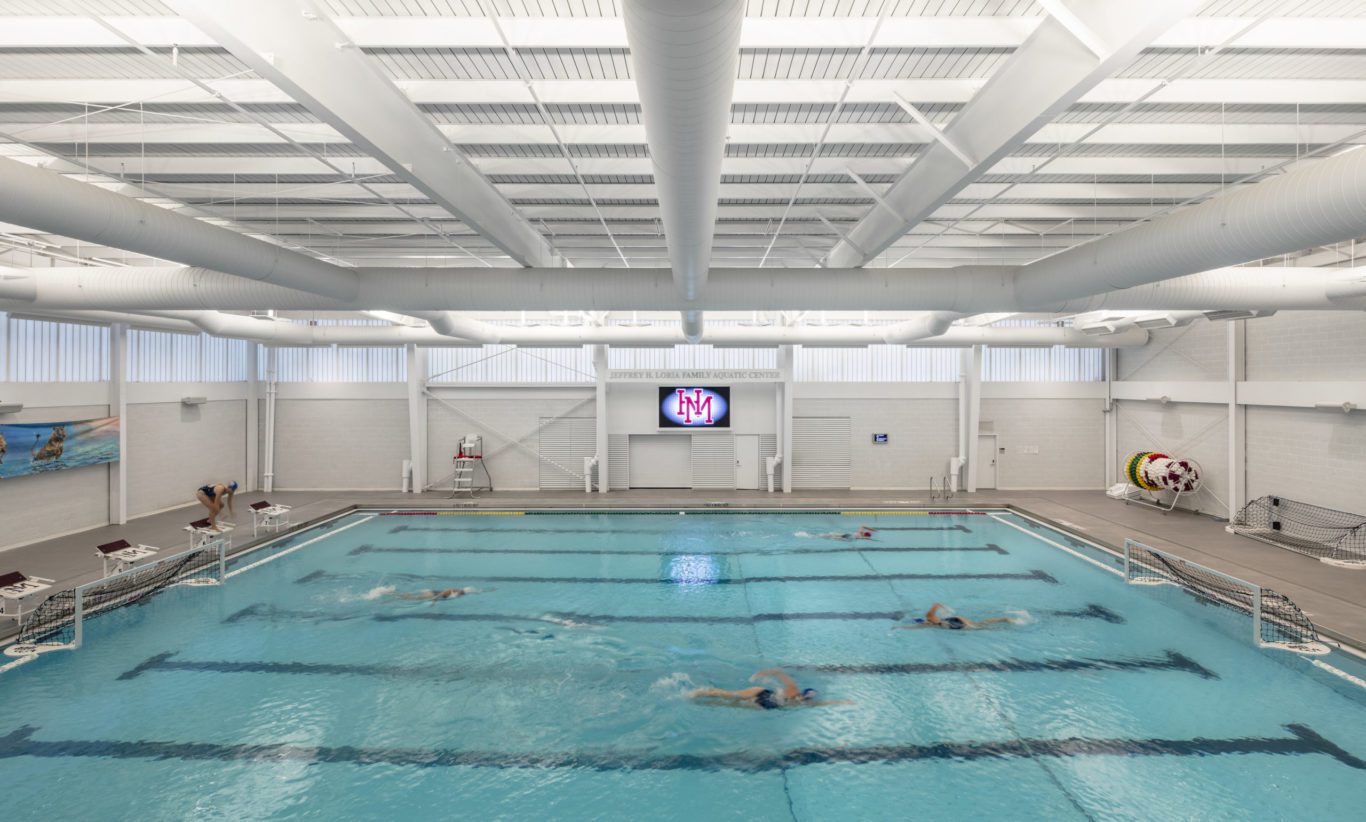
- An aquatic center with an eight-lane pool, a movable floor, seating for 150, and versatile locker rooms—an ideal space for water polo and sports.
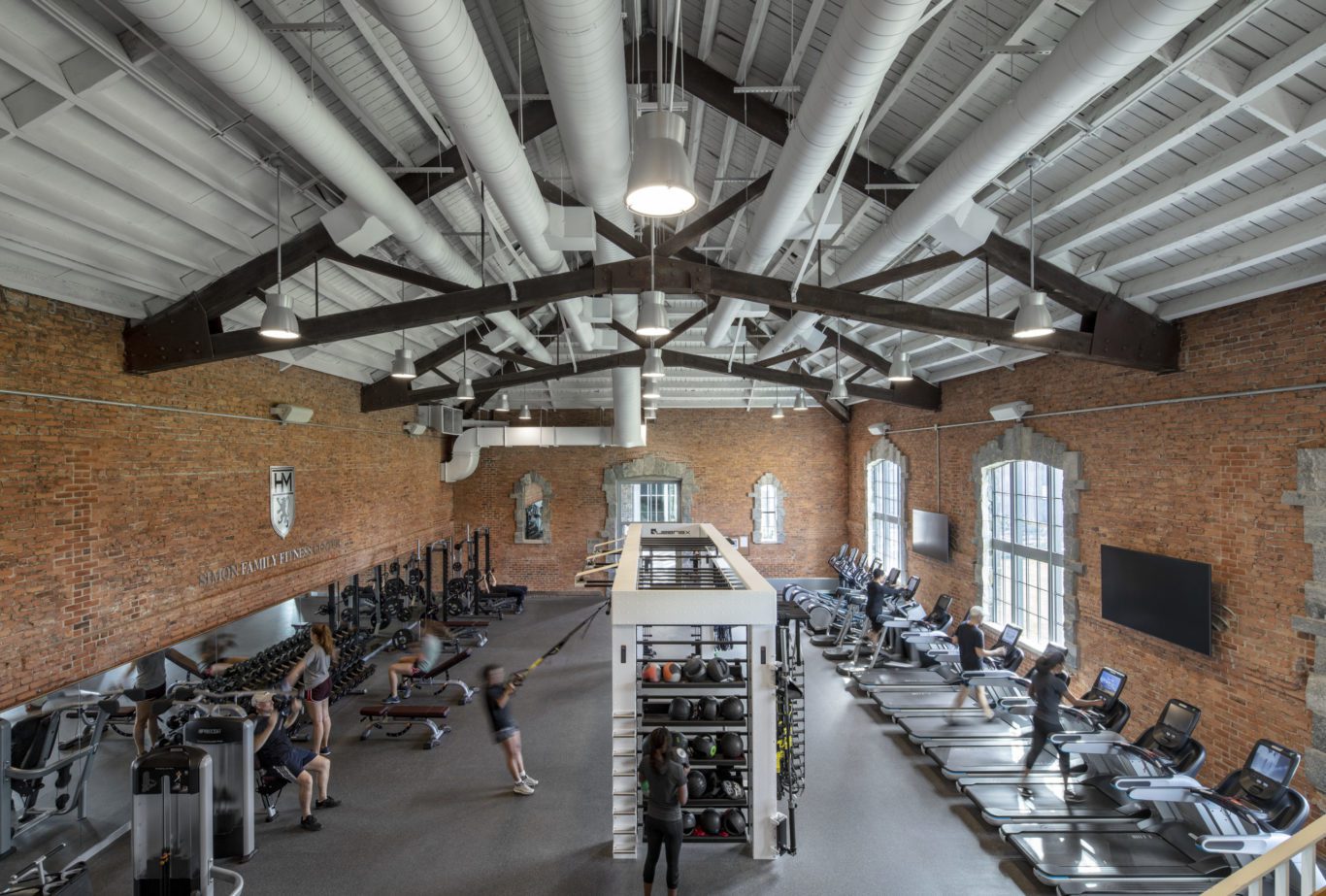
The stone and brick facades of the new structures harmoniously blend with the historic Prettyman Gymnasium building, built in 1924. This gym was also modernized: the lower level was restored, and the pool was converted into a state-of-the-art fitness center. Architects preserved the authentic elements—wooden beams and red brick—while integrating a new lobby that provides access to all four levels of the building, adding convenience and creating a more open space.
Today, the Horace Mann School campus is more than just an educational site; it’s a well-thought-out environment for self-development, creativity, and interaction.
Learning at Horace Mann
Horace Mann School offers a largely non-grading system based on competencies and outcomes rather than traditional grades. Students demonstrate their knowledge through the practical application of skills. An internal electronic database monitors their progress, allowing teachers to track attendance and assignment completion, and generate monthly reports for discussion with coordinators.
The school has four main divisions:
- Nursery (3 years – pre-school) on 90th Street in Manhattan.
- Lower (kindergarten – 5th grade) on the Tibbett Avenue campus in Riverdale.
- Middle (6th – 8th grade) on 246th Street in Riverdale.
- Upper (9th – 12th grade) also on 246th Street.
In addition, the school owns the John Dorr Nature Laboratory in Connecticut, a 275-acre site used for multi-day field trips. It was recently updated and certified to the LEED environmental standard.
Tuition for students from the lower to the upper division is $61,900 per year (as of 2025). Financial aid is granted exclusively based on need. For the 2023–2024 academic year, 15% of students received over $14 million in financial support.
Horace Mann School offers 26 Advanced Placement courses and instruction in six foreign languages. Core subjects include English, U.S. history, science (biology, chemistry, physics), math (algebra, geometry, trigonometry), as well as courses in art, computer science, health, physical education, and counseling.
Foreign languages offered are Chinese, French, Japanese, and Spanish (mandatory up to the third level), with additional options in Greek and Latin.
Starting in 11th grade, students have a wide choice of electives: biotechnology, psychology, economics, ethics, statistics, and art history, among others.
Non-academic requirements for Horace Mann students:
- Passing a swimming test and getting a Red Cross CPR certification.
- Participating in community service throughout their time at the school.
- Attending “Service Learning Days” in the upper school.
- Completing extracurricular or classroom service projects (mandatory for grades 6–9).
- In the lower grades, an annual “Caring in Action” event for students and their families.
Admissions to the school are competitive. Previous grades, interviews, essays, and ISEE or SSAT test scores are all considered.
A Stain on the School’s Reputation
On June 6, 2012, The New York Times published an article in which a former student accused teachers at the school of numerous instances of sexual abuse against students that occurred throughout the 1970s, 1980s, and 1990s. This sparked a wave of public scandals and investigations, which caused the school’s standing to plummet in all reputable rankings. Many of the victims were mentioned only by their initials or partial names because the statute of limitations in New York State for such cases expired when the victims turned 23. Several of the accused died, and one of the accusers committed suicide. In the summer of 2012, the school community, along with alumni, founded an independent charity called Hilltop Cares. The fund’s goal is to support the victims and help the community heal.
In March 2013, it was reported that the school was in negotiations with over 30 former students regarding financial compensation. In total, 18 teachers were accused, and the abuse spanned over 40 years up to 2000. In April 2013, The New York Times reported that the school had reached a settlement with approximately 27 of the 37 identified victims. On May 24, 2013, the school administration officially apologized to the community and announced new safety measures and protocols implemented to protect current and future students.
From Prison to an Elite School
But the famous Horace Mann School is known not only for scandalous investigations but also for very useful and important initiatives. One of them is a course called “Bridging the Divide: Contemporary American Identity.”
In the fall of 2024, several inmates from the Maine State Correctional Center in Windham joined a unique educational course with Horace Mann high school students. The idea for the program came about in 2019 after a screening of the documentary film “College Behind Bars” by filmmaker Lynn Novick—a Horace Mann alumna. The film showed a Bard College educational program for inmates in New York. A student from the school, Simon Shackner, proposed creating something similar. After initial skepticism and thanks to the pandemic’s remote learning experience, the school finally agreed. This is how the collaboration with Maine correctional facilities began.
One of the program’s instructors is Brandon Brown—a former inmate who earned his bachelor’s and then master’s degree after 17 years behind bars. He strives to be an example for others and stay connected with those who are still serving their sentences.
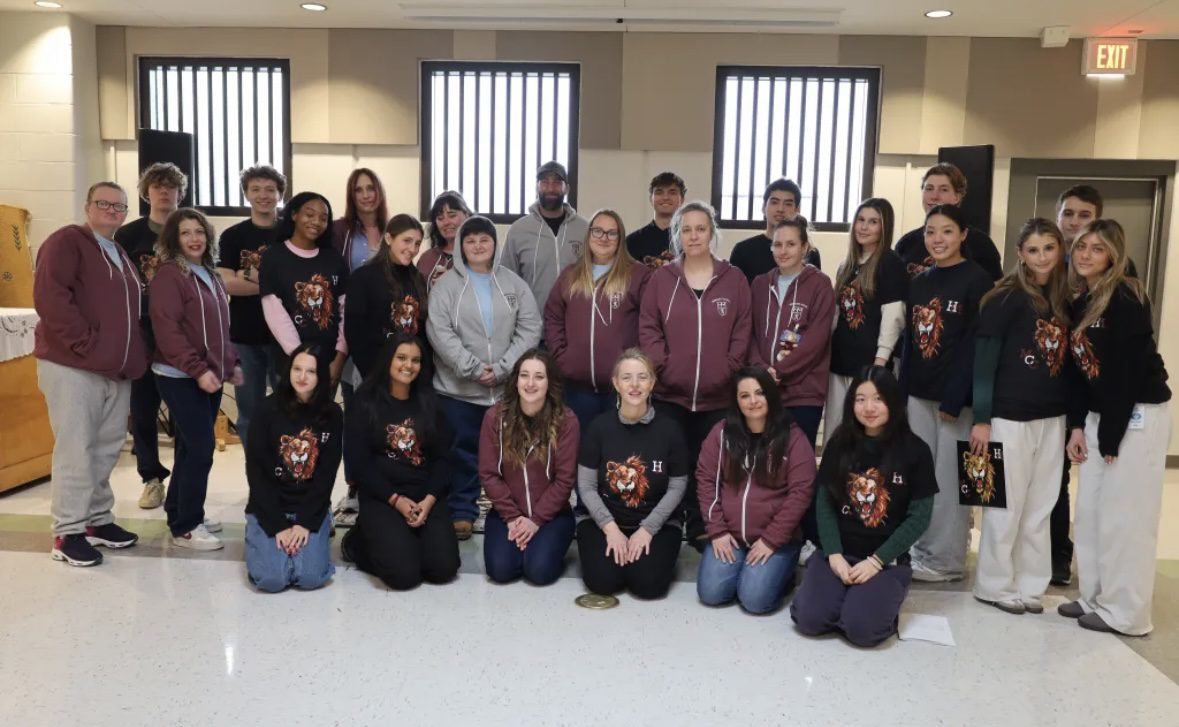
The course is organized as a blended program: first, Horace Mann students learn about prison education and watch the film, and then they have three joint online classes a week. Special attention is paid to sharing experiences and overcoming biases.
In-person meetings for the temporary classmates are also planned. Students from the school travel to Maine. Together they participate in games, discussions, and exchange gifts—sweaters and t-shirts with the course logo. For the inmates, this program has become not just a way to learn, but also a chance to re-evaluate themselves.
“My heart will always be with prison education,” Brandon Brown said of the course. “Until the day comes when we don’t need a prison anymore… the only thing that’s going to get us closer to abolishing that system as it is today is to continue to educate people. There is nothing greater you can do for an incarcerated person than to give them an opportunity to learn, especially about the environment they’re in and how to change it.”