

A renowned American psychologist, Philip Zimbardo’s research spans social psychology, time perspective, shyness, terrorism, and hypnosis. He taught at leading universities, including Stanford. His experiment, which studied the influence of authority and roles, sparked heated ethical debates and had a huge impact on science. We’ll tell you more about this prominent figure in global psychology on bronx1.one.
A Poor and Sick Childhood
Philip Zimbardo was born on March 23, 1933, in New York City to Italian immigrants from Sicily. He grew up in the South Bronx—a dangerous neighborhood that became the backdrop for his interest in psychology and the impact of social environments on people. Philip came of age during the Great Depression, a time when poverty, instability, and the constant struggle for survival were a part of daily life.
His family’s circumstances and lack of money forced the boy to work from an early age, which significantly affected both his physical health and his worldview. Financial hardship meant the family had to move frequently because they couldn’t afford housing. They were constantly in need, lacking books and proper nutrition, and dealing with illnesses. Due to his weak health, Philip suffered from asthma and pneumonia, and at the age of five and a half, he spent six months in the hospital with an infectious disease. As a child, Philip started taking odd jobs, selling magazines, working as a laundry delivery boy, and shining shoes. His uncle gave him a shoeshine box, and Zimbardo started his own small business near a local bank. He later recovered his health through hiking and active outdoor games during his teenage years. Inspired by the example of Theodore Roosevelt, Zimbardo deliberately worked on strengthening his body. Sports, backpacking, and baseball became his path to recovery.
Despite the demeaning treatment from social workers and doctors, Philip did not give up. His difficult childhood became the foundation for his future interest in social psychology and his fight against injustice.
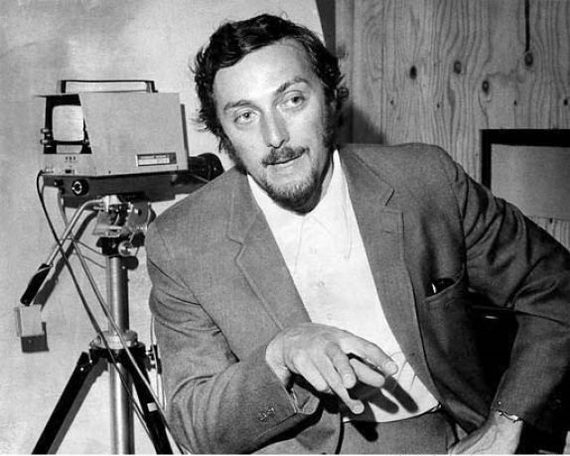
A Thirst for Knowledge
His school years were marked by numerous transfers between schools. But despite the difficulties, Philip showed a persistence in his studies and was determined to get a higher education.
In high school, Zimbardo continued his education at several different schools. He first attended JHS in New York City, then the prestigious Stuyvesant High School.
In 1947, his family moved to California, where Zimbardo attended North Hollywood High School. There, he experienced social isolation that triggered psychosomatic asthma.
Returning to New York, Philip graduated from James Monroe High School, where he became team captain, class president, the most popular student, and earned the nickname “Jimmy Monroe.” Despite pressure from his father, who expected his son to start working after graduation, Zimbardo enrolled in Brooklyn College, a tuition-free four-year institution. In college, he was not only an active student but also a member of the Pi Beta Gamma fraternity and a participant in sports. However, Zimbardo’s initial psychology course was disappointing, and he changed his major to sociology. Later, he returned to psychology, adding it as a second major and working as a research assistant.
In 1954, Philip earned his bachelor’s degree, majoring in three fields: psychology, sociology, and anthropology.
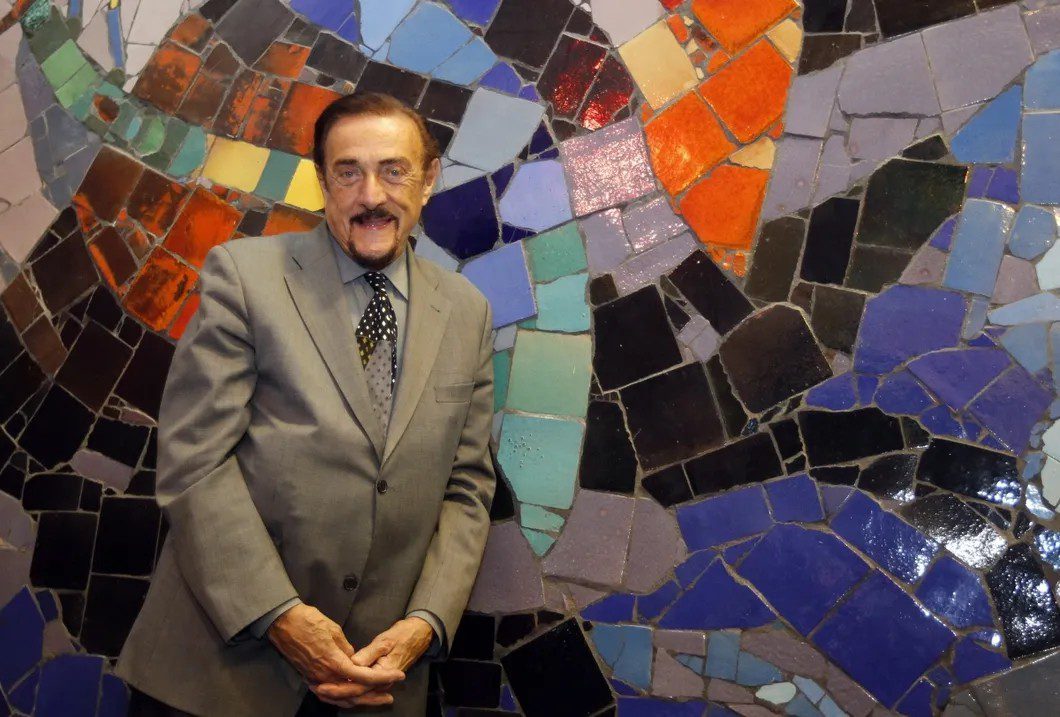
While studying, Zimbardo also worked at the St. James Theatre in New York City, selling drinks, candy, and programs, as well as checking patrons’ coats. This job gave him the opportunity to interact with famous show business figures and get to know the dark side of the industry, which later influenced his psychological research.
From 1954 to 1960, Zimbardo attended graduate school at Yale University. He initially felt unprepared and considered dropping out, but thanks to his mother’s advice, he stayed and later successfully defended his doctoral dissertation.
A Respected Professor
Zimbardo’s teaching career began in 1960 at New York University. It was here that he began conducting his first significant research—specifically in the areas of affiliation, cognitive dissonance, persuasion, deindividuation, and decision-making mechanisms. In 1966, Zimbardo taught at a summer school in Belgium and also gave lectures at the Sorbonne in Paris. These international contacts broadened his scientific horizons and strengthened his influence in the global academic community.
In 1967, Zimbardo continued his career at Columbia University—one of the country’s leading institutions, where his professional reputation was further solidified. He worked alongside future leaders of science—Lee Ross and Judy Rodin.
The following year, Philip Zimbardo joined Stanford University in California—an institution known for its innovative spirit. Here he worked actively to advance psychological science and education. His introductory psychology course regularly drew a large audience, and the “Teaching Practicum” seminar he developed became a valuable resource for future educators.
In addition, Zimbardo taught at the Naval Postgraduate School in Monterey and lectured on “The Study of Human Nature” at the Pacific Graduate School of Psychology.
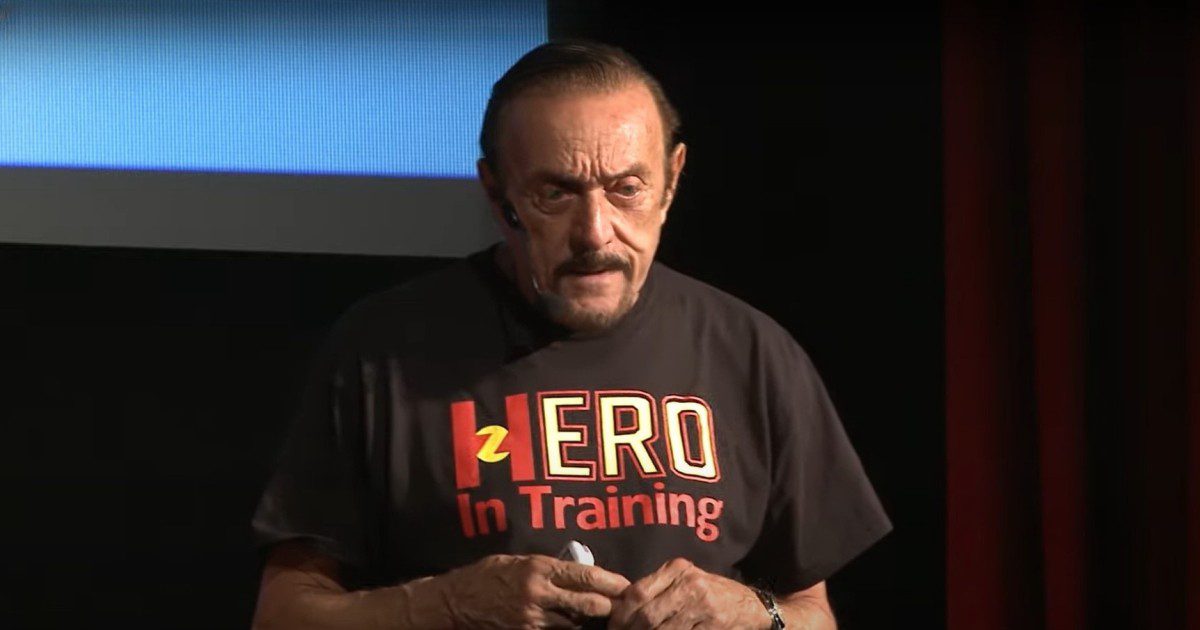
The Stanford Prison Experiment
In 1971, Stanford University became the site of a landmark study in social psychology led by Dr. Philip Zimbardo. Students were randomly assigned to be either “prisoners” or “guards” in a simulated prison environment.
Zimbardo wanted to investigate how situational factors and social roles influence an individual’s personality. He was particularly interested in the phenomenon of deindividuation—a state in which a person loses their sense of personal identity within a group.
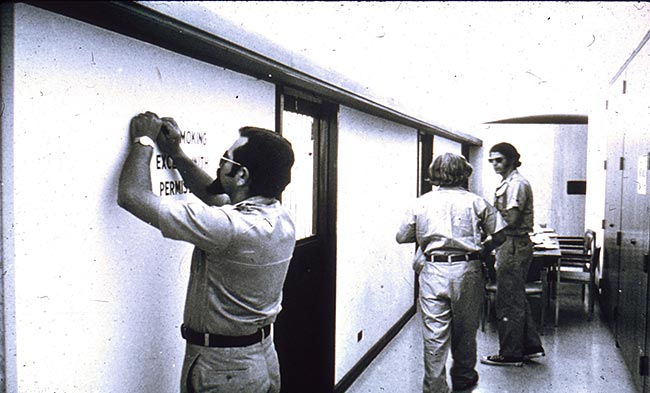
Although the experiment was a role-playing game, it was carefully organized to be as close to reality as possible. Participants were “arrested” at their homes by real police and then taken to the “prison,” which was set up in the basement of Stanford’s psychology department. The guards wore uniforms and sunglasses, carried wooden batons, and were instructed to maintain order and obedience while avoiding physical violence.
Zimbardo himself acted as the prison superintendent, which further blurred the line between the experiment and reality. All events were recorded for later analysis. However, the consequences turned out to be so severe that the experiment had to be stopped prematurely. The guards’ behavior became increasingly aggressive, and the prisoners began to show signs of stress, depression, disorientation, and even rebellion. Three participants were forced to leave the experiment before its conclusion due to a decline in their mental state.
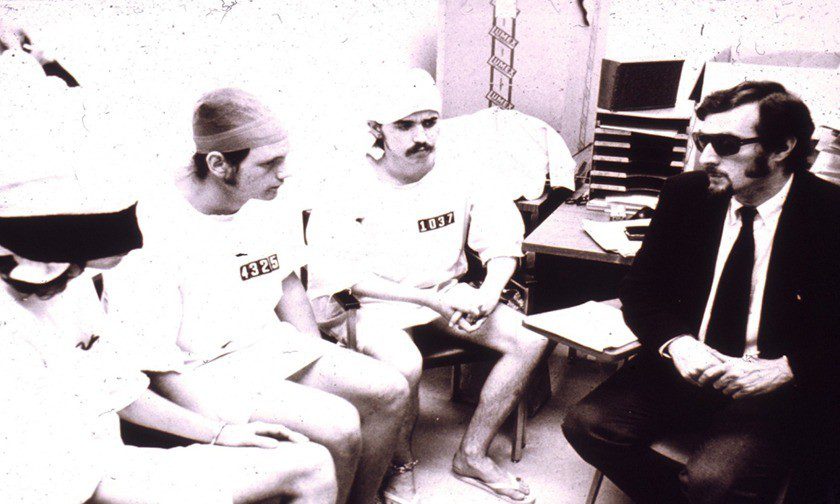
Despite its widespread popularity, Zimbardo’s experiment has drawn significant criticism. Questions were raised about both the ethics and the scientific validity of the research. Critics noted that the conditions were artificial and that participants were acting according to the experimenters’ expectations.
Regardless of the controversy, the Stanford Prison Experiment is still considered one of the most famous studies in psychology. It has inspired numerous films, books, and further scientific work, and it has significantly influenced our understanding of the impact of authority, power, and roles on human behavior.
Other Projects and Achievements
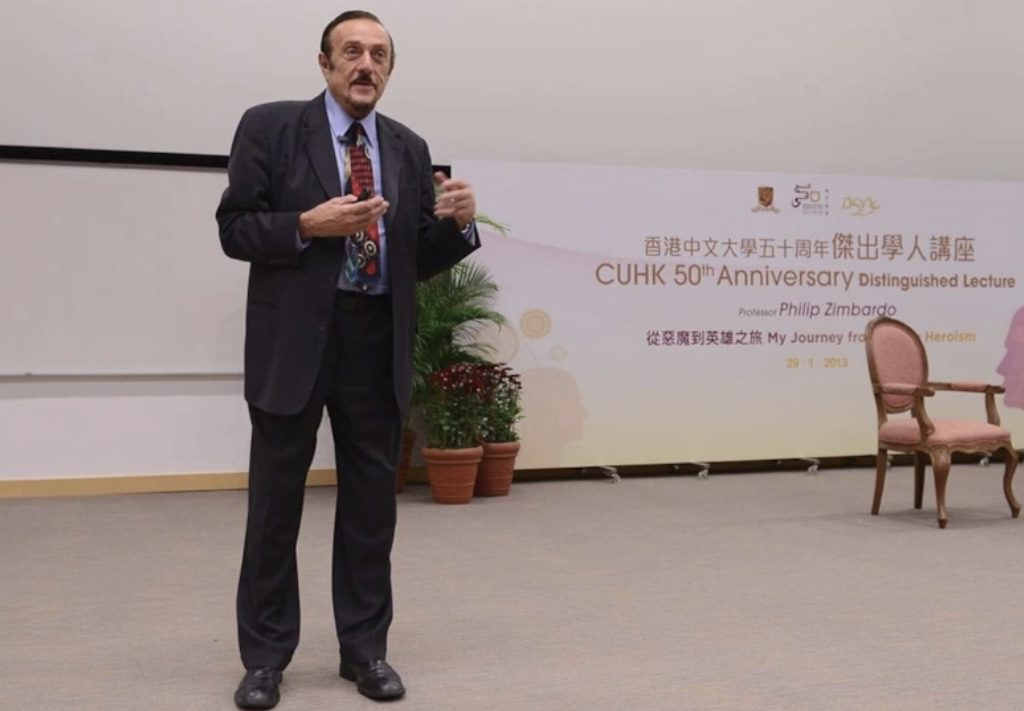
Dr. Philip Zimbardo has received numerous prestigious awards, including the Václav Havel Prize for his contributions to the study of human behavior. He has headed the American and Western Psychological Associations, as well as the Council of Scientific Society Presidents, which unites over one and a half million scientists.
Key scientific areas and projects of the scientist:
- The Psychology of Evil and “The Lucifer Effect.”
In his book “The Lucifer Effect,” Zimbardo explains how ordinary people can commit evil acts under the influence of situational forces.
- Time Perspective.
Together with John Boyd, Zimbardo developed the theory of time perspective—how people perceive the past, present, and future. They published the book “The Time Paradox” in 2008. Zimbardo also co-authored the 2012 guide “The Time Cure,” which adapts this theory for psychotherapy for people with PTSD.
- Shyness.
He conducted an in-depth study of shyness, its causes, and its impact on self-esteem, relationships, and social adjustment.
- The Gap Theory.
This theory offers an explanation for the onset of mental disorders through a “gap” in self-perception. He used an experimental model of psychopathology, including post-hypnotic suggestion.
- Heroism.
He studied what motivates ordinary people to perform heroic acts. He created the Heroic Imagination Project—an educational initiative to develop moral resilience and active citizenship.
- Research on Torture.
He analyzed interrogation methods in the U.S., Brazil, and Greece. He co-authored the 2002 book “Violence Workers,” which reveals how governments train torturers.
Philip Zimbardo made a significant contribution to our understanding of how situations, social roles, time perception, and psychological processes influence human behavior. His research became the foundation for practical changes in psychology, education, justice, and psychotherapy.