

STEM education in the Bronx is becoming a key driver in preparing young people for the careers of tomorrow. Innovative programs, P-TECH school models, career-connected learning, and partnerships with employers help students gain hands-on skills, secure internships, and successfully launch careers in science, technology, engineering, and math. In this article on bronx1.one, we look at how the Bronx’s STEM initiatives, artificial intelligence, and modern educational programs are transforming vocational education and opening new doors for local youth.
Career-Connected Learning (CCL) in NYC: Preparing Students for Today’s Job Market
Today’s schools are moving far beyond rote memorization and theory. In New York City, the approach to education is shifting: instead of abstract concepts, students are introduced to real-world professions, helped to navigate their future career paths, and given opportunities to gain hands-on experience while still in school.
This shift is driven by career-connected learning (Career-Connected Learning, CCL). Its core philosophy is to blend traditional classroom instruction with practical training tailored to modern job market demands. As a result, graduates leave with not just a high school diploma, but also the skills that employers are actively looking for today.
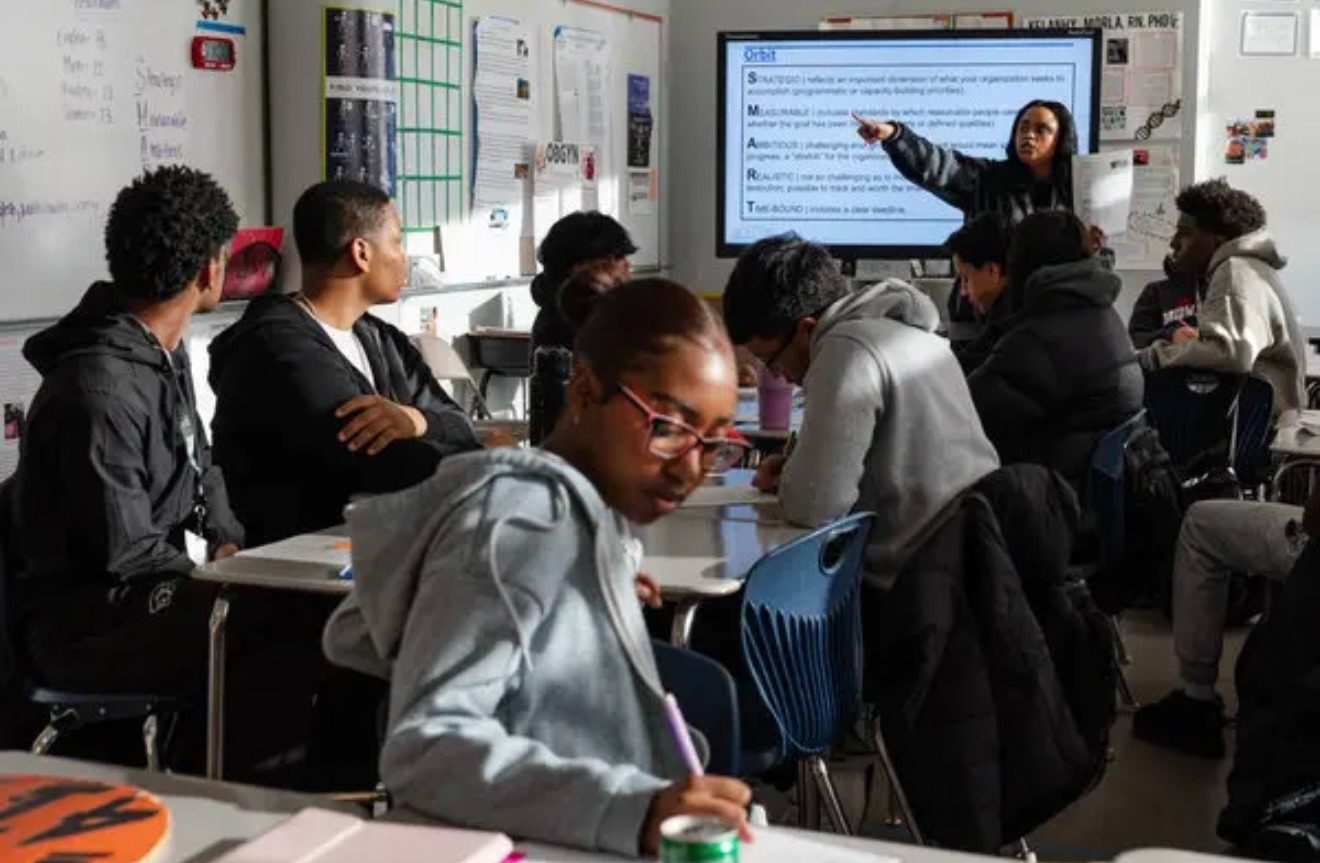
Among the key initiatives in the New York City Public Schools (NYCPS) system are the Future Ready NYC (FRNYC) and Career Readiness and Modern Youth Apprenticeship (CRMYA) programs. These programs steer students toward high-growth industries with stable, long-term demand. The focus is primarily on information technology, healthcare, business, building modernization and decarbonization, education, and social services. These fields currently offer some of the strongest employment opportunities and highly competitive salaries.
The scale of this reform is impressive. In less than three years, comprehensive career-connected learning programs have rolled out in nearly one hundred NYC schools. For an educational system as vast as New York’s, this is a major milestone, as launching these programs requires not only updating curricula but also establishing deep integration with colleges, universities, and corporate partners.
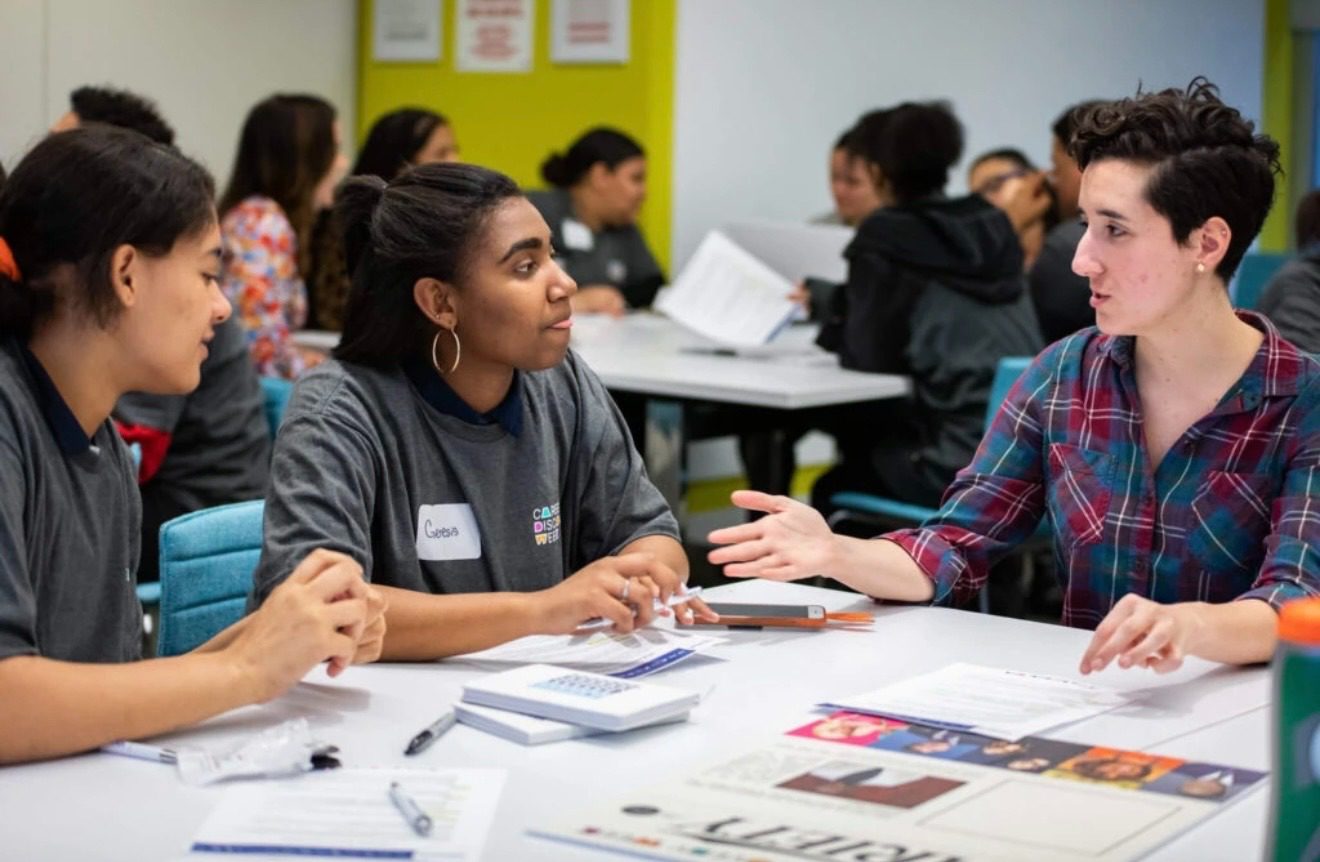
Research consistently supports this approach. Studies show that students enrolled in career-focused programs, particularly those geared toward industries requiring higher education, are more likely to graduate high school and go on to college. Thus, career-connected learning is more than just an early introduction to the professional world—it is a powerful tool that helps young people confidently build their futures.
The P-TECH Model in the Bronx: A Fast Track from High School to a College Degree and Career
One of the most effective tools for closing the skills gap is the P-TECH model (Pathways in Technology Early College High School), designed to prepare students for careers in STEM industries. These early college and career high schools span grades 9 through 14.
- Graduates earn both a high school diploma and an Associate Degree from CUNY or SUNY universities.
- College tuition, fees, textbooks, and learning materials are provided to students at absolutely no cost.
- Students are treated as college students from their very first day of high school, granting them access to university campus resources, including libraries, tutoring centers, and academic advisors.
- The program involves close collaboration with industry leaders through mentorship, corporate site visits, career panels, and student internships.
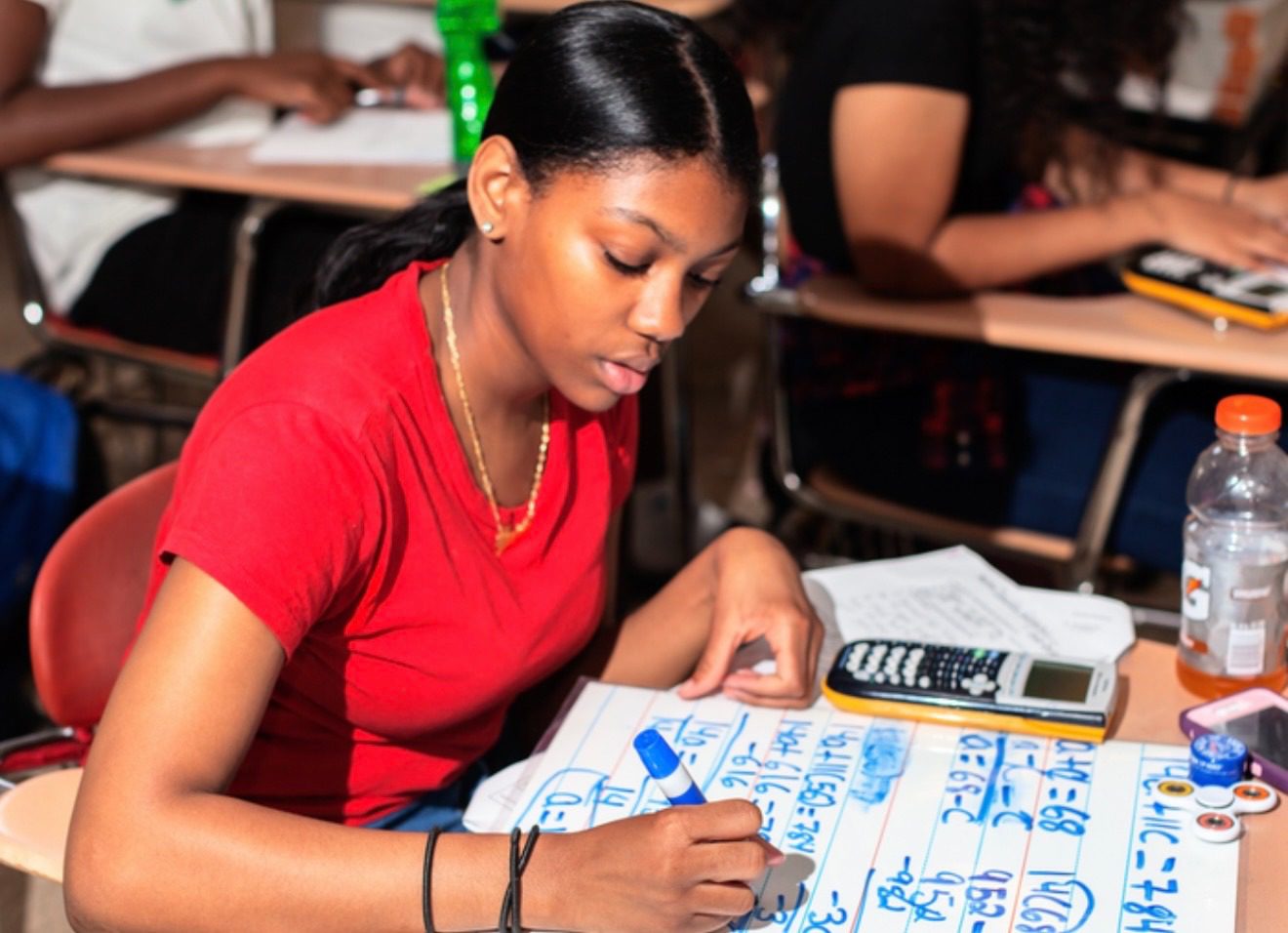
Graduates of the P-TECH model are often considered “first in line” for jobs with industry partners, giving them a significant competitive advantage in today’s job market.
Artificial Intelligence (AI) in Schools: Integrating ChatGPT and New Technologies
The rapid pace of technological change is forcing educational institutions to adapt quickly. When ChatGPT first emerged in late 2022, NYC public schools initially responded by blocking the generative AI tool due to concerns over how students and teachers might use it. However, initial caution soon gave way to curiosity, and school administrators began pushing for access to the technology.
In partnership with Microsoft, the school system developed an AI-powered learning assistant that provides real-time, personalized feedback and answers students’ questions.
At the same time, Bronx students are already getting hands-on experience building their own AI agents through workshops organized by CDW, Salesforce, and the NYC Department of Education. Karl Manalo, the Bronx High Schools Superintendent, points out that these opportunities allow students to see themselves in the industry and prepare for the future by understanding the power of artificial intelligence.

Inclusive IT Education in the South Bronx: The Knowledge House Programs for Young Adults
To broaden access to careers in technology, it is essential to support youth from low-income families and underrepresented minority groups. Data shows that minority populations are significantly less likely to be employed in STEM fields compared to their white peers.
In the South Bronx, a non-profit organization founded in 2014, The Knowledge House, has been successfully operating to bridge this gap. The organization teaches digital literacy, coding, and entrepreneurship to young people aged 16 to 30, helping them enter the tech sector without needing a traditional college degree.
“We want to cultivate talent in underserved communities and support people of color so they can bring innovative solutions to a mainstream tech industry that lacks diversity,” emphasizes Jerelyn Rodriguez, co-founder and CEO of The Knowledge House.
The organization does more than just educate; it supports graduates through the job placement process, helping 75% of them secure entry-level roles or freelance contracts. Additionally, the Mr. October Foundation for Kids and STEM 101 actively fund and implement programs in Bronx schools to increase the participation of women and underrepresented minorities in STEM.
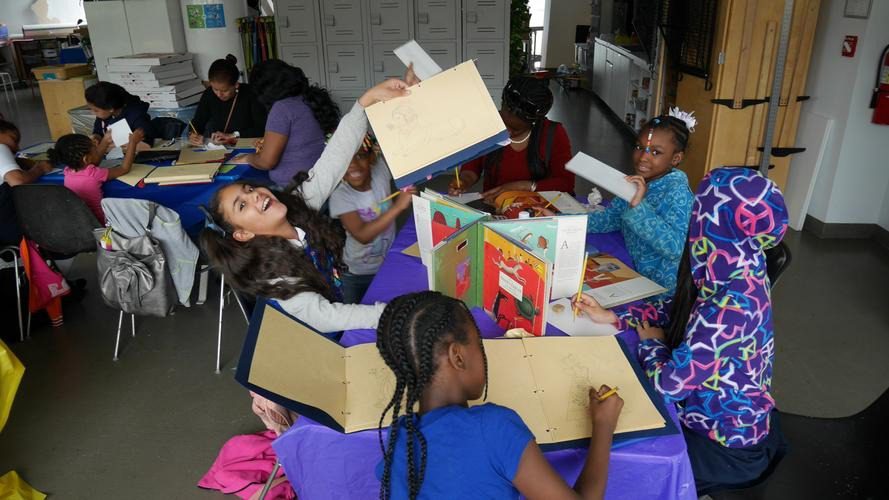
Even in traditional schools like the Bronx Academy for Software Engineering (BASE), students describe the school as a highly inclusive space for learning technology and programming, welcoming everyone regardless of gender, race, or background.
Key Challenges in STEM Education: Internships, Teacher Training, and Early Development
Despite the rapid expansion of STEM education, experts emphasize that several systemic challenges must be addressed for long-term success. These hurdles require not just school-level changes, but support from city officials, universities, businesses, and employers.
The primary challenges shaping the future of STEM education in the Bronx include:
- Early exposure to STEM.
Experts agree that fostering interest in science, technology, and programming should start in kindergarten and elementary school. Early exposure to computational thinking helps close gender and racial disparities in STEM fields. However, currently less than a third of STEM programs target early learners, highlighting a clear need to expand these initiatives.
- Preparing modern educators.
The quality of STEM education relies heavily on teachers. Educators must not only possess up-to-date knowledge but also know how to integrate modern technology and computational thinking across different subjects. This is why experts advocate for a citywide system of continuous professional development and training for teachers.
- Expanding paid internships.
A persistent obstacle is the shortage of paid internships at STEM companies. Due to financial pressures, many students from low-income families are forced to take retail or service jobs instead of doing an internship that could launch their career in tech. Expanding the number of paid work-based learning programs is a vital step in supporting future professionals.
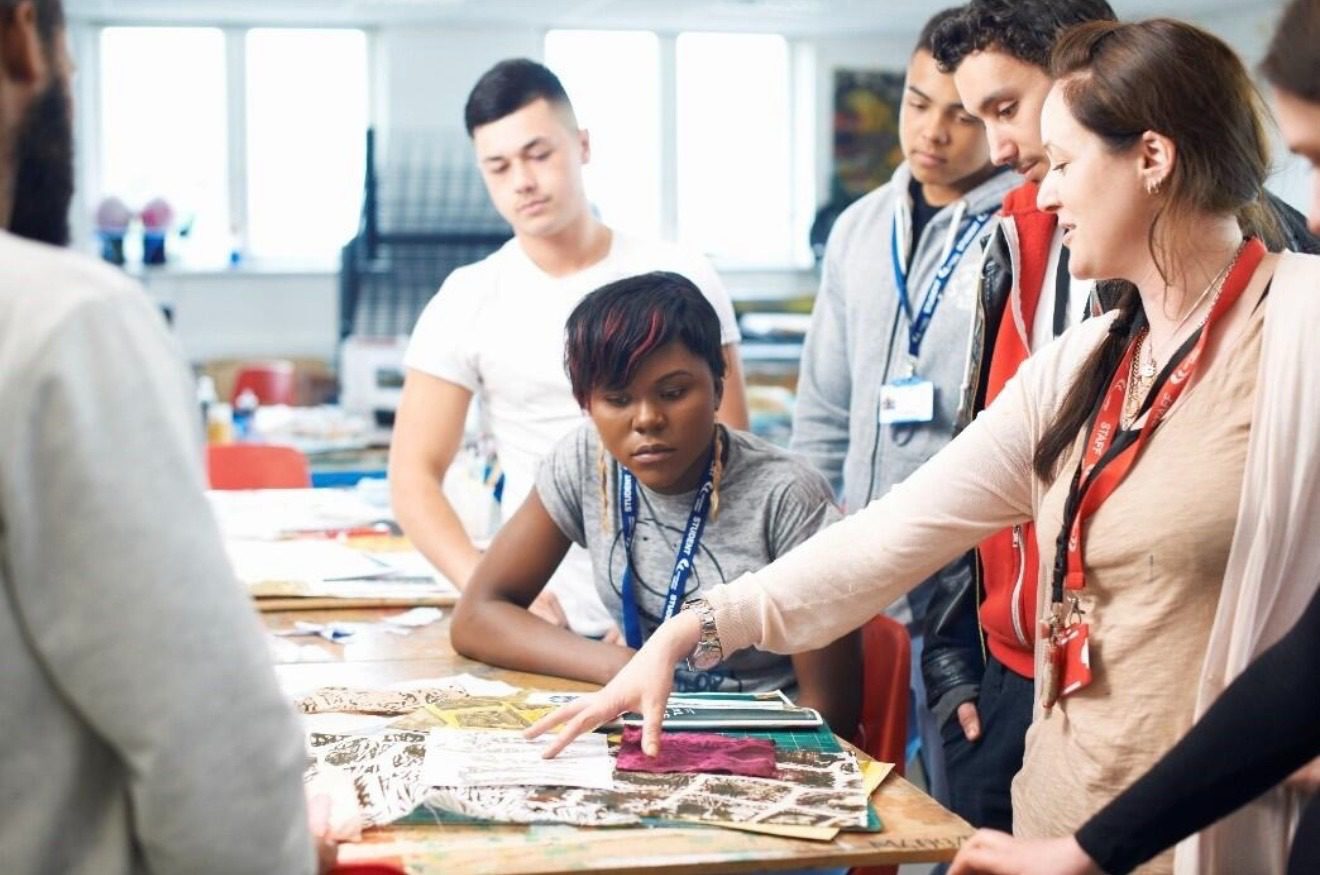
The future of vocational education being shaped in the classrooms and community centers of the Bronx demonstrates that investing in STEM and career-connected learning is a highly effective vehicle for economic mobility. By blending academic study, real-world work experience, and soft skills development, schools are transforming into true innovation hubs. Thanks to comprehensive initiatives like P-TECH, Future Ready NYC, and local non-profits, young people are graduating with far more than just a diploma—they are securing a pathway into the high-tech economy of tomorrow.