

Medical education plays a vital role in the growth of the Bronx, training professionals for some of New York City’s largest hospitals and research centers. Local colleges and universities supply the healthcare industry with a skilled workforce, create new jobs, and drive economic development throughout the borough. In this article on bronx1.one, we explore medical education in the Bronx, the pivotal role of the Albert Einstein College of Medicine, academic programs at local community colleges, and their collective impact on the New York City healthcare system.
Albert Einstein College of Medicine: Tuition-Free Medical Education in New York
The Albert Einstein College of Medicine in New York has long been recognized as a leading center for medical education and research in the United States. Its history dates back to 1945, when Yeshiva University President Samuel Belkin proposed establishing a new medical school that would welcome talented students regardless of their background or religious beliefs.
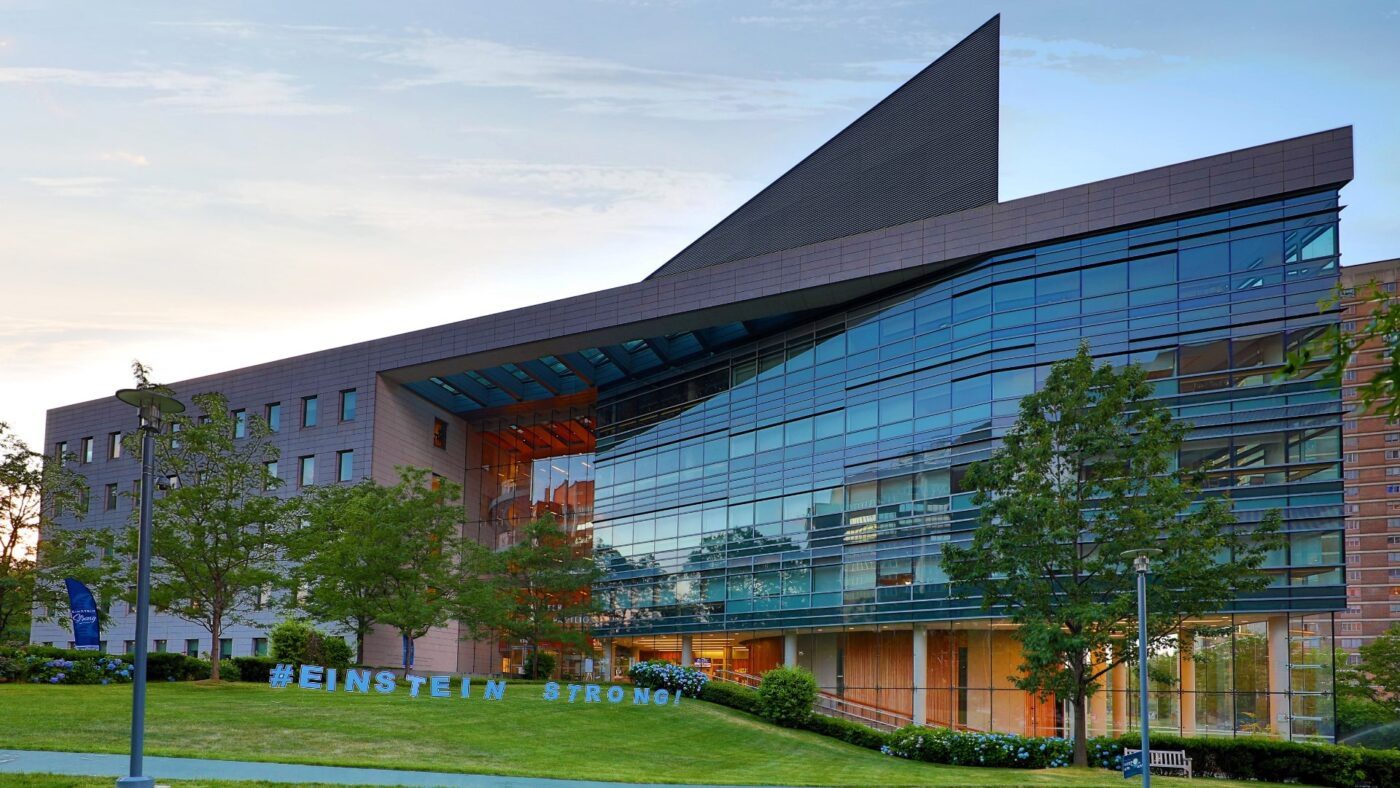
A turning point came in 1951 when the project received the backing of Albert Einstein. The world-renowned physicist emphasized that the future college must be a place where people of all faiths and races would have equal opportunities to pursue a medical education. Just four years later, in 1955, the institution opened its doors to its first class of 56 students.
In 2024, the institution made global headlines following an unprecedented philanthropic gift. Dr. Ruth Gottesman, a former professor at the college and chairperson of its board of trustees, donated $1 billion to the school. This historic donation, one of the largest in the history of American higher education, made it possible to permanently eliminate tuition for all MD (Doctor of Medicine) students.
A key condition of this historic gift was that the institution retain its name. Per the donor’s wishes, the college will continue to bear the name of Albert Einstein, honoring the man who once championed the vision of open and accessible medical education.
Bronx Community College (BCC): Healthcare Programs, Nursing, and a Fast Track to Careers
Working in healthcare does not always require decades of study. In the Bronx, several academic programs allow students to enter high-demand fields in just two years. Bronx Community College (BCC) offers exactly this opportunity, focusing on hands-on training tailored to the needs of today’s job market.
Affordability remains one of the college’s biggest strengths. Students can access various financial aid options, putting a college education within reach for thousands of young people regardless of family income.
This educational investment quickly pays off. According to college statistics, mid-career BCC graduates earn an average of 35% more than individuals whose highest level of education is a high school diploma.
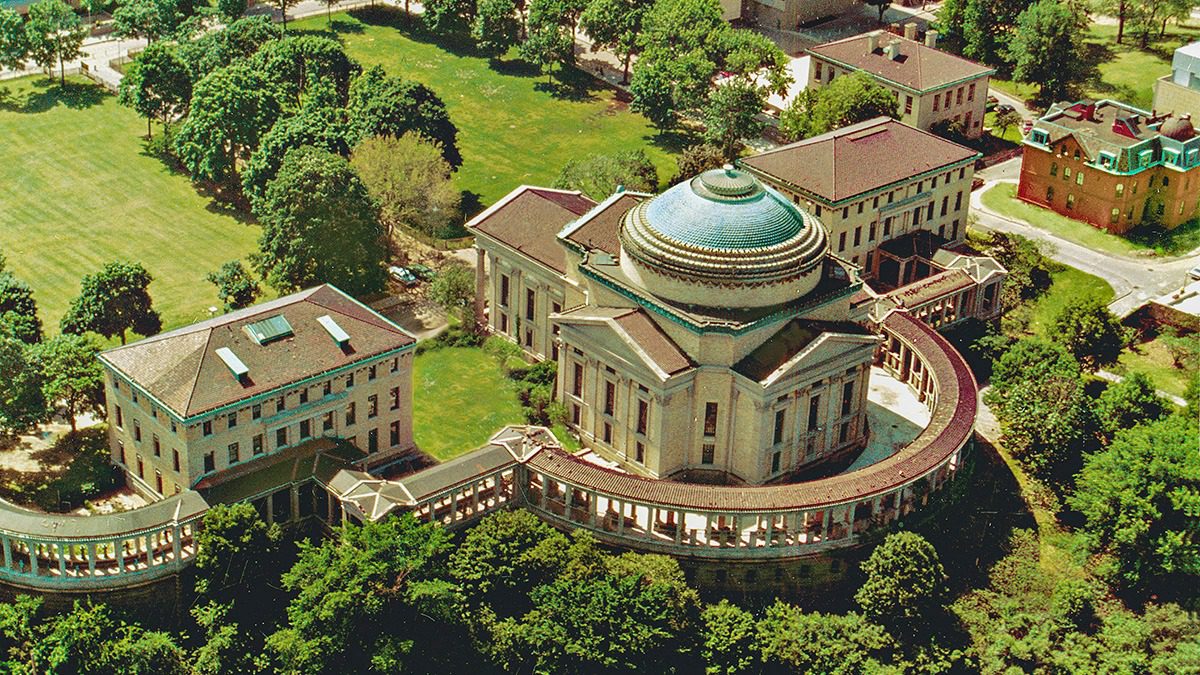
The college continuously updates its academic programs to meet employer demands. Currently, BCC is developing a new Associate of Science (AS) degree in Health Sciences featuring a system of “stackable” credentials. This format allows students to earn new certifications incrementally without pausing their education or work, expanding their professional opportunities step by step.
The college places a special emphasis on training healthcare coordination specialists. Care coordination is currently one of the fastest-growing fields in the Bronx healthcare sector. Local hospitals and medical centers are actively recruiting professionals who can coordinate patient care and ensure seamless communication across various healthcare services.
Hostos Community College: Bilingual Education and Top Healthcare Careers in the Bronx
The history of Hostos Community College is deeply rooted in the struggle for educational equity. It was founded in 1968 following years of advocacy by Puerto Rican and Latino community leaders who championed a modern higher education institution for local residents. In September 1970, Hostos welcomed its charter class of 623 students, with classes initially held in a converted tire factory.
The college was named in honor of Eugenio María de Hostos, a prominent Puerto Rican philosopher, educator, and human rights advocate whose vision of equality and educational access forms the core of the school’s mission.
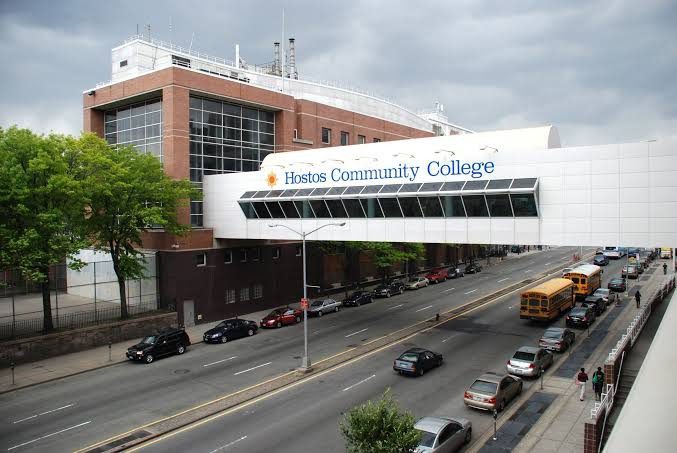
Hostos also made history as the region’s first bilingual institution of higher education. Some courses are still offered in Spanish, and robust English as a Second Language (ESL) programs support students who are still mastering English. This approach helps students transition smoothly into their studies and confidently build their future careers.
The college offers nearly thirty associate degree and certificate programs. Upon graduation, students can enter the workforce immediately or seamlessly transfer to four-year CUNY colleges or other universities across the United States to continue their education.
Healthcare training is one of the strongest pillars at Hostos. Its Allied Health Sciences Department prepares students for careers in dental hygiene, nursing, and radiologic technology. Upon completing these programs, graduates earn the credentials and licenses required to work in New York City’s hospitals, dental practices, diagnostic clinics, and other healthcare facilities.
The college’s high academic standards have earned national recognition. Hostos has been named one of the top ten community colleges in the country by the Aspen Institute and has repeatedly received U.S. Department of Education awards for its success in supporting students from underserved communities.
Lehman College (CUNY): Clinical Experience and Bachelor of Science in Nursing (BSN)
Lehman College, another member of the City University of New York (CUNY) system, plays an equally critical role in training healthcare professionals. The college prioritizes partnerships with healthcare institutions, allowing students to gain valuable clinical experience before graduation.
One of the most successful examples of this collaboration is the Emergency Department (ED) Ambassador program, run jointly by Lehman College and NYC Health + Hospitals/North Central Bronx. Participants intern in the emergency department, where they shadow medical staff, help patients navigate the facility, assist with communication, and ease the overall patient experience.
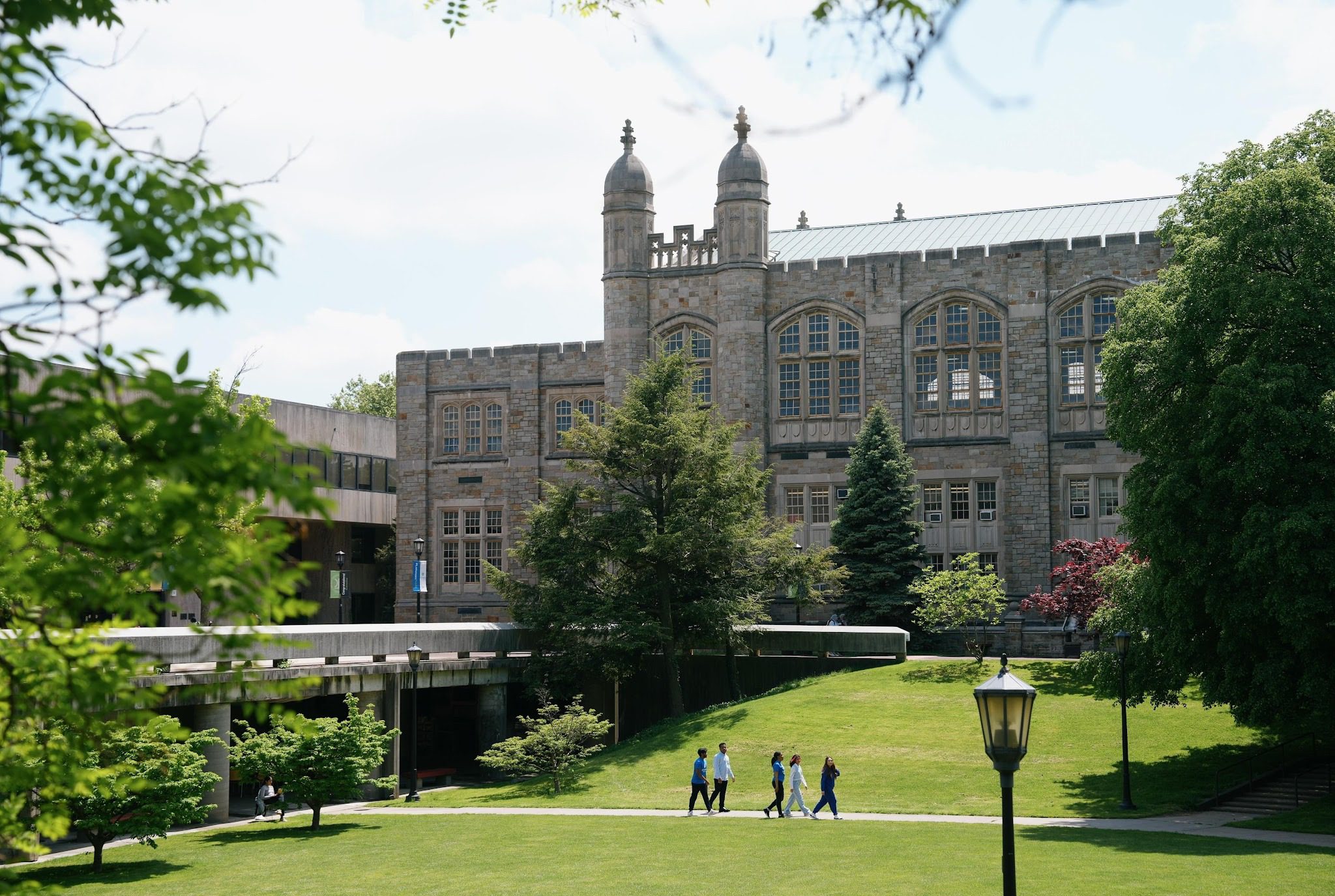
In addition, Lehman College participates in the Bronx Education-Health Industry Partnership, an initiative run in collaboration with the 1199SEIU union. This program helps registered nurses (RNs) advance their careers by transitioning to a Bachelor of Science in Nursing (BSN) degree. This educational pathway opens new professional doors and aligns with modern healthcare standards.
Inclusive Healthcare Education: Training Providers for the Bronx’s Multicultural Community
The Bronx remains one of New York City’s most diverse boroughs, home to dozens of nationalities and language communities. Consequently, local healthcare facilities increasingly seek professionals who understand their patients’ cultural backgrounds and can communicate effectively across diverse populations.
Studies show that diversity in the healthcare workforce directly improves patient outcomes. Patients are more likely to trust their providers, follow medical advice, and receive better care when they feel understood and respected. This is why developing inclusive healthcare education is a key focus for local training programs today.
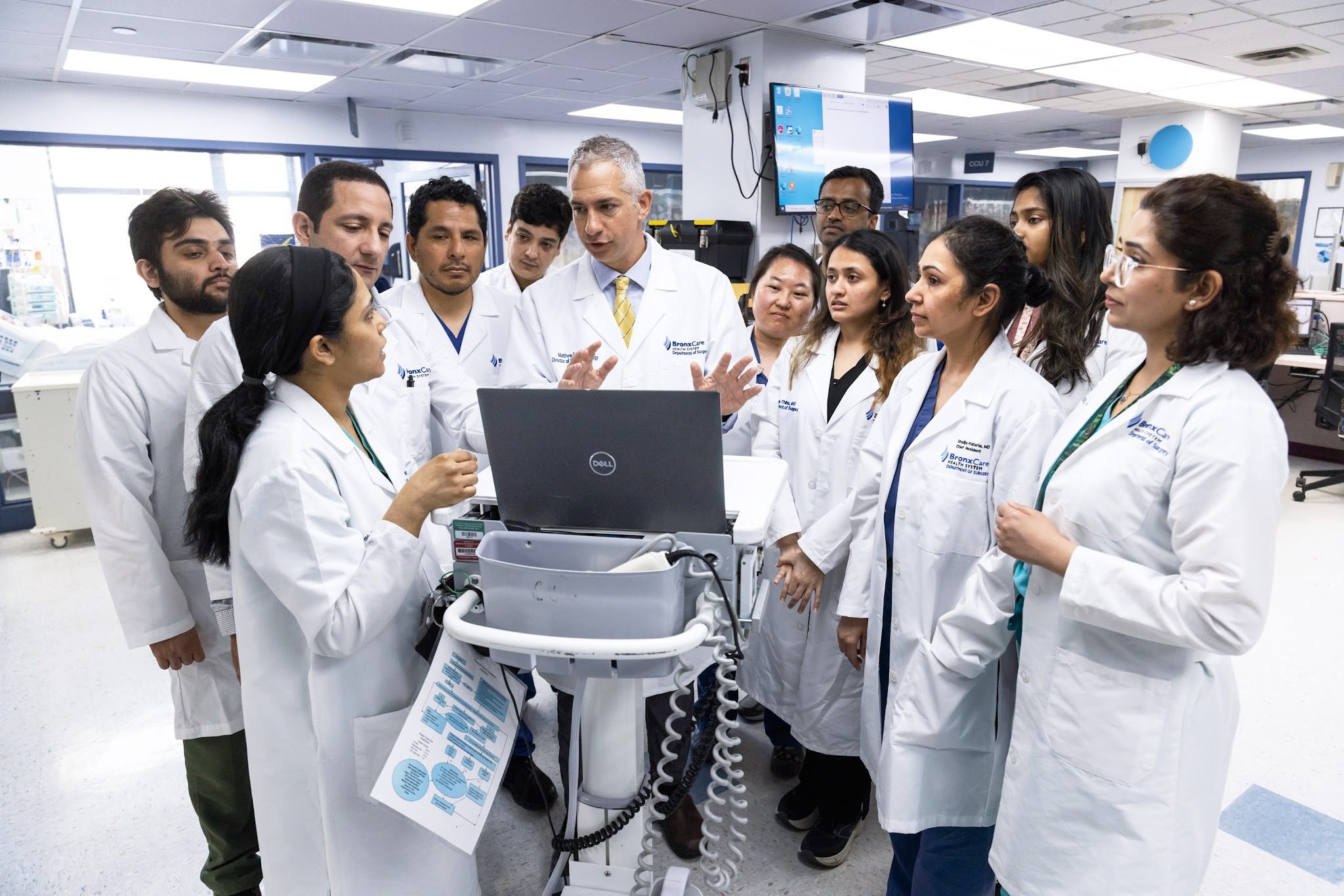
Healthcare education in the Bronx has grown far beyond standard academic curricula. It has evolved into a powerful economic engine that transforms entire communities. The collaboration between major hospital systems—such as Montefiore, Jacobi, and North Central Bronx—and public institutions like BCC, Hostos, and Lehman College has built a resilient ecosystem. Tuition-free initiatives, new research hubs, and a deep commitment to inclusivity are shaping a new generation of healthcare providers who will not only save lives but also drive economic growth across the borough.