

The medical college in the Bronx, named after the legendary and world-renowned scientist Albert Einstein, was founded after World War II as a center for the advancement of medicine. Today, it’s a prominent institution in the world of medical research and education. In this article on bronx1.one, we’ll tell you about the history of this institution and some of its key initiatives.
The Founding and Development in the 20th Century
World War II demonstrated that medicine needed active development and greater attention and resources in all countries. In 1945, the president of Yeshiva University, Dr. Samuel Belkin, expressed the idea of creating a new medical school. With the support of prominent public figures, he persuaded the Board of Trustees to begin negotiations with the New York State Board of Regents to amend the university’s charter, which would allow it to grant a Doctor of Medicine degree. Discussions and agreements lasted until the end of 1950. In June 1951, Dr. Belkin made an agreement with New York City Mayor Vincent Impellitteri, under which the medical college’s faculty would be responsible for professional patient care at the new 1,400-bed municipal hospital center in the Bronx.
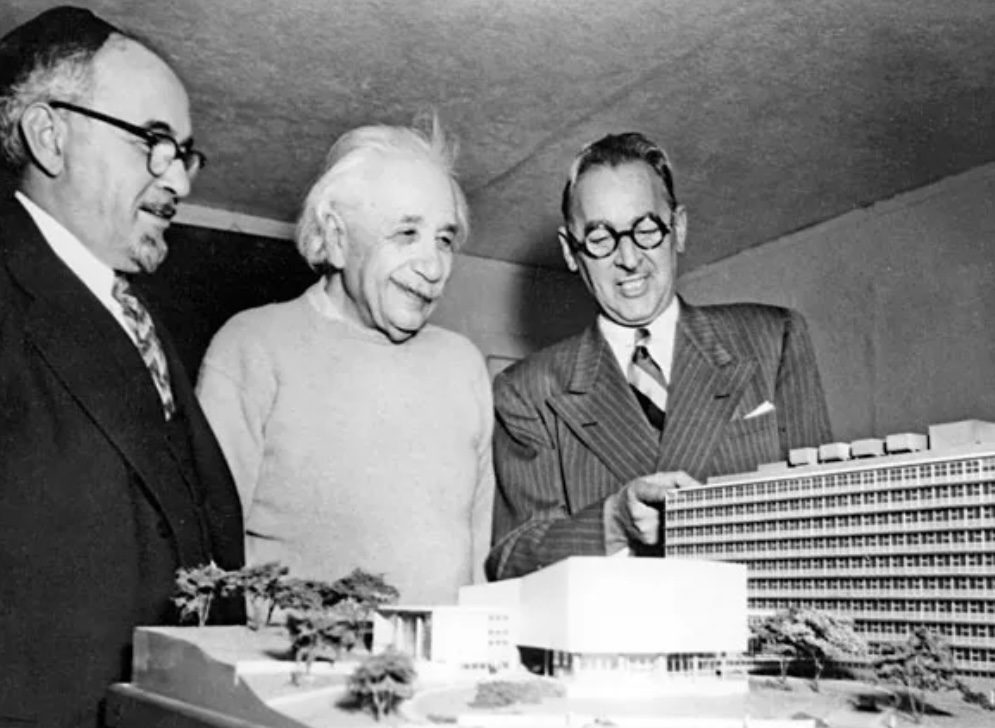
On March 15, 1953, the day after his 74th birthday, Professor Albert Einstein gave his permission for the new New York medical school to use his name. In October of the same year, the first building, known as the Leo Forchheimer Medical Science Building, was dedicated. In September 1955, though construction wasn’t fully complete, a decision was made to start classes in the finished rooms. On September 12, the first class of 53 men and 3 women was admitted.
Einstein Medical College in the Bronx became one of the first medical institutions to integrate clinical experience into the curriculum, ensuring students had contact with patients early in their education. In most cases, basic theoretical training came first, and only then would students get hands-on practice. It’s clear that the effectiveness of visual medicine on specific, real-world cases was greater than simply learning about diseases from books.
Among the distinctions of Einstein Medical College are its contributions to the development of bioethics as an academic discipline, the founding of a family medicine department, and the first internal medicine residency program with a focus on women’s health.
To expand research programs, the Ullmann Research Center for Health Sciences was completed in 1964. In 1970, the Rose F. Kennedy Center for Research in Intellectual and Developmental Disabilities was opened, which helped effectively coordinate work in this field. The Arthur B. and Diane Belfer Health Sciences Educational Center, opened in 1972, provided additional laboratories and classrooms for fundamental sciences. The Irving B. and Sylvia Chanin Cancer Research Institute, opened in 1978, focused on foundational research into malignant processes. Further expansion of research capabilities came with the opening of the large Samuel H. and Rachel Golding-Building biomedical research center in 1996.
Major Expansion in the Early 21st Century
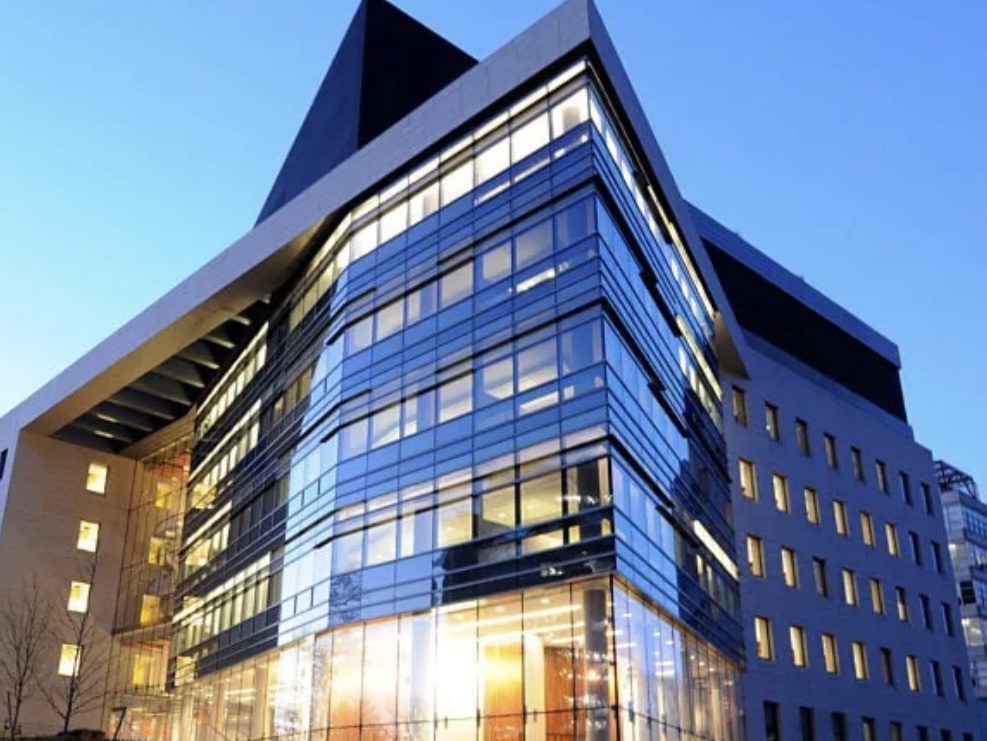
In 2008, a major expansion program for the medical college began. The project involved a near doubling of the total area. A key element of this expansion was the opening of the Michael F. Price Center for Genetic and Translational Medicine and the Harold and Muriel Block Research Pavilion. This 223,000-square-foot biomedical research building contains 40 laboratories and brings together leading scientists with state-of-the-art technologies to facilitate the translation of molecular discoveries into the treatment and prevention of diseases.
The next step was the creation of the Ruth L. Gottesman Clinical Skills Center, as well as a complex of labs for aging research, including the Einstein Aging Study, the Longevity Genes Project, and the Central Mobility Control in Aging. For this, the medical college signed a 99-year lease agreement in 2009 with the Bronx municipal medical center, which gave it access to the former tuberculosis sanatorium, a 350,000-square-foot building.
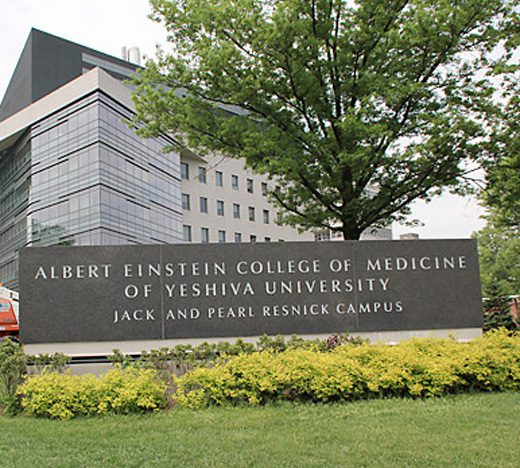
In 2013, the old D. Samuel Gottesman Library was transformed. It became a dynamic educational space for teaching large groups of people. A number of major renovations were also carried out in most of the campus buildings.
A New Level
In September 2015, Montefiore Medical Center and Yeshiva University reached an agreement to grant the Einstein Medical College the status of an independent legal entity.
In March 2019, the college received a charter with the right to award its own medical and scientific degrees. In July 2021, the Middle States Commission on Higher Education granted the institution full accreditation for all of its doctoral, master’s, and diploma programs. This event marked the culmination of a multi-year process to transform the medical college into a fully independent academic institution.
Today, the Albert Einstein College of Medicine offers one of the largest medical education programs in the U.S. For the 2024-2025 academic year, the college has 712 medical students, 226 graduate students, 112 students in a combined program, and 240 postdoctoral fellows at the Belfer Institute for Advanced Biomedical Research.
Einstein Medical College is a national leader in supporting biomedical research from the federal government, receiving $200 million in annual funding from the National Institutes of Health. The main focus of the research is on the following areas:
- aging;
- intellectual and developmental disorders;
- diabetes;
- cancer;
- clinical and translational research;
- liver diseases;
- AIDS;
- brain development;
- neuroscience;
- heart diseases;
- programs aimed at eliminating ethnic and racial health disparities.
Over 10,000 Einstein College graduates are leading biomedical and medical educators in the country. The faculty is also impressive. The college has about 2,000 full-time faculty members working on campus, as well as in Montefiore clinics and other affiliates.
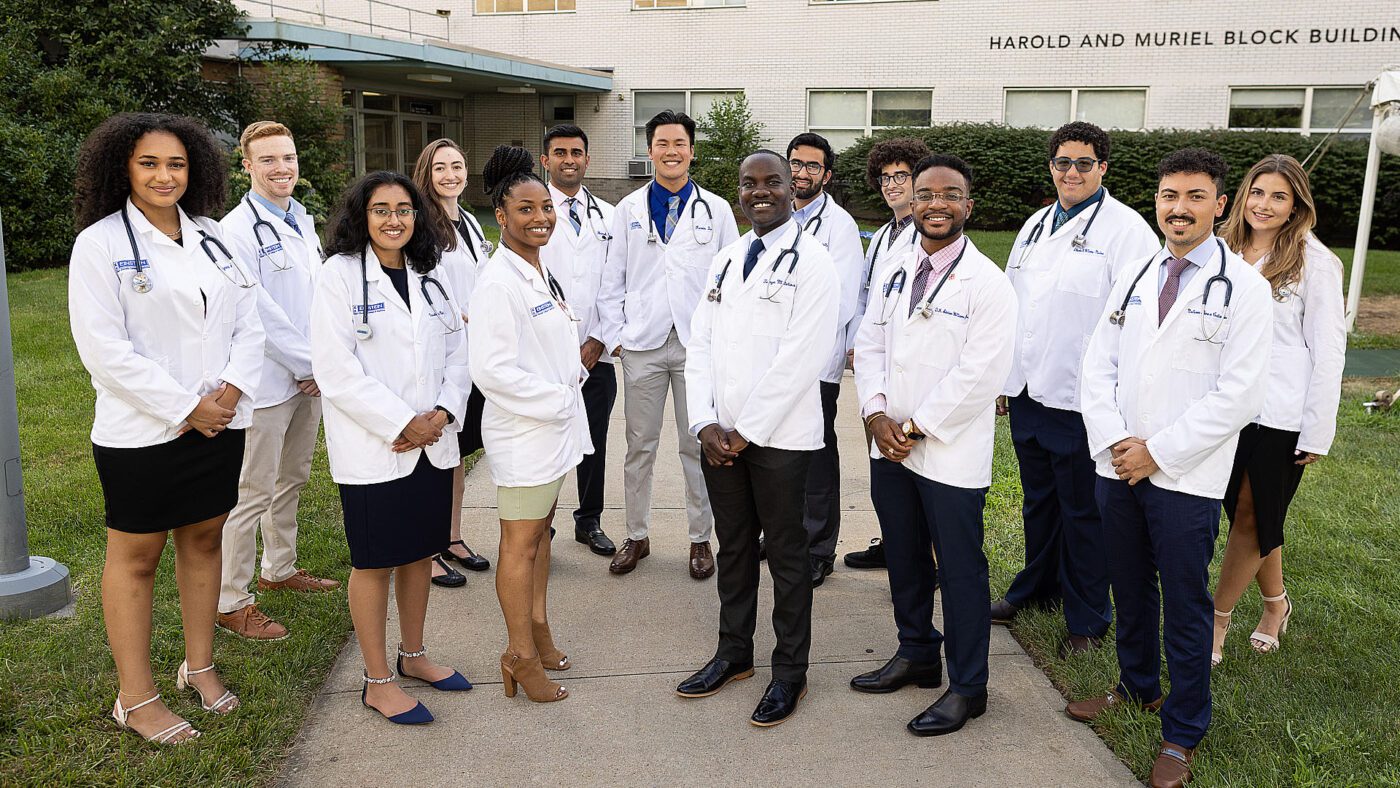
“Service Learning”: A New Community Initiative
“Service learning” is a recently created course integrated into the Einstein Medical College curriculum. Its main goal is to promote close collaboration with community organizations working in the Bronx and neighboring areas. Students learn about the history, needs, and strengths of the Bronx, and actively engage in community work alongside local organizations, which helps them gain the knowledge and skills necessary for effective interaction with communities. The course’s main focus is on developing partnerships with local residents, and all activities are planned together with the communities based on their needs. This helps medical professionals develop important competencies: cultural sensitivity, communication, teamwork, and social responsibility.

At the beginning of their studies, students choose a community organization in one of the following areas:
- health advocacy;
- environmental sustainability;
- active living;
- health education;
- homelessness;
- human rights.
Students work in teams and perform 40 hours of volunteer work throughout the year. At the end of this phase, they present their achievements to the class below them.
Another mandatory part of the “Service learning” course is participating in the organization and implementation of health fairs with community partners, where students perform another 20 hours of volunteer activity.
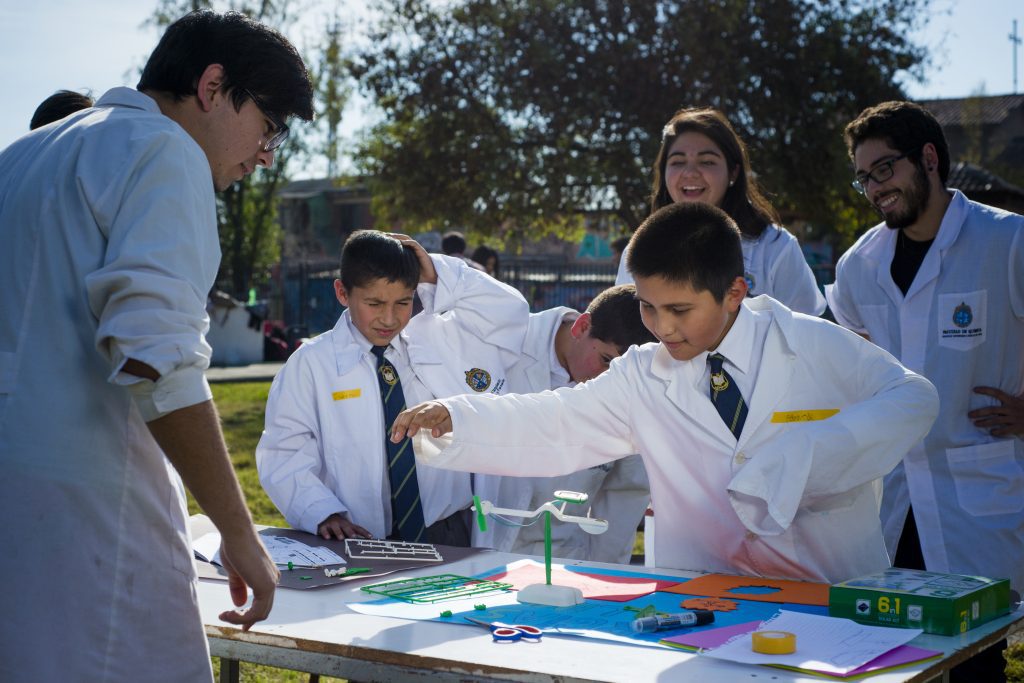
PROVIDENT: A Post-COVID Project
After the devastating COVID-19 pandemic, many governments focused their attention and efforts on ensuring preventive measures. The U.S. is one of the leaders in this field. The Albert Einstein College of Medicine received a five-year, $14 million grant from the National Institute of Allergy and Infectious Diseases (NIAID) to participate in national efforts to create vaccines and antibody-based therapies to combat new viruses. This grant is part of a new NIAID program aimed at developing vaccines and monoclonal antibodies to prepare for future pandemics.
As part of the project, a knowledge base about various viruses is planned to be created so that in case of a threat from a related virus, appropriate measures can be quickly developed to save lives.
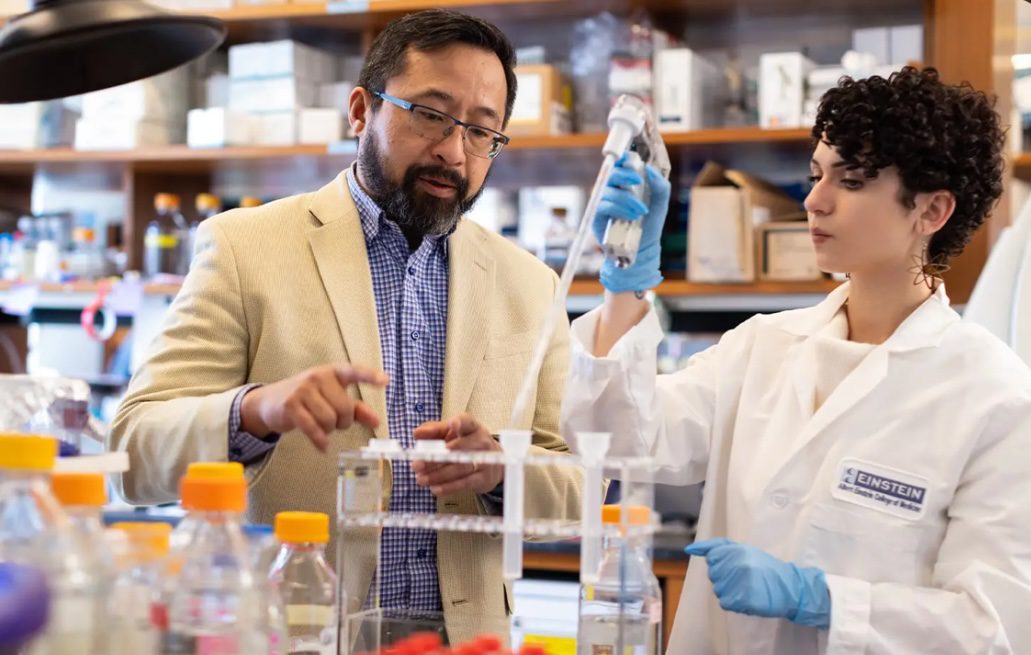
The consortium, named PROVIDENT and based at Einstein Medical College, brought together 13 teams from various fields to implement four projects:
- studying the interaction between viruses and their hosts;
- engineering proteins to stimulate antiviral immune responses;
- developing “roadmaps” for the rapid creation of RNA vaccines against potentially dangerous microbes;
- analyzing antibodies in people infected with viruses for the subsequent development of vaccines and therapies.
PROVIDENT focuses on three groups of viruses: neuroviruses transmitted by ticks; hantaviruses carried by rodents; and paramyxoviruses transmitted by bats and other mammals.