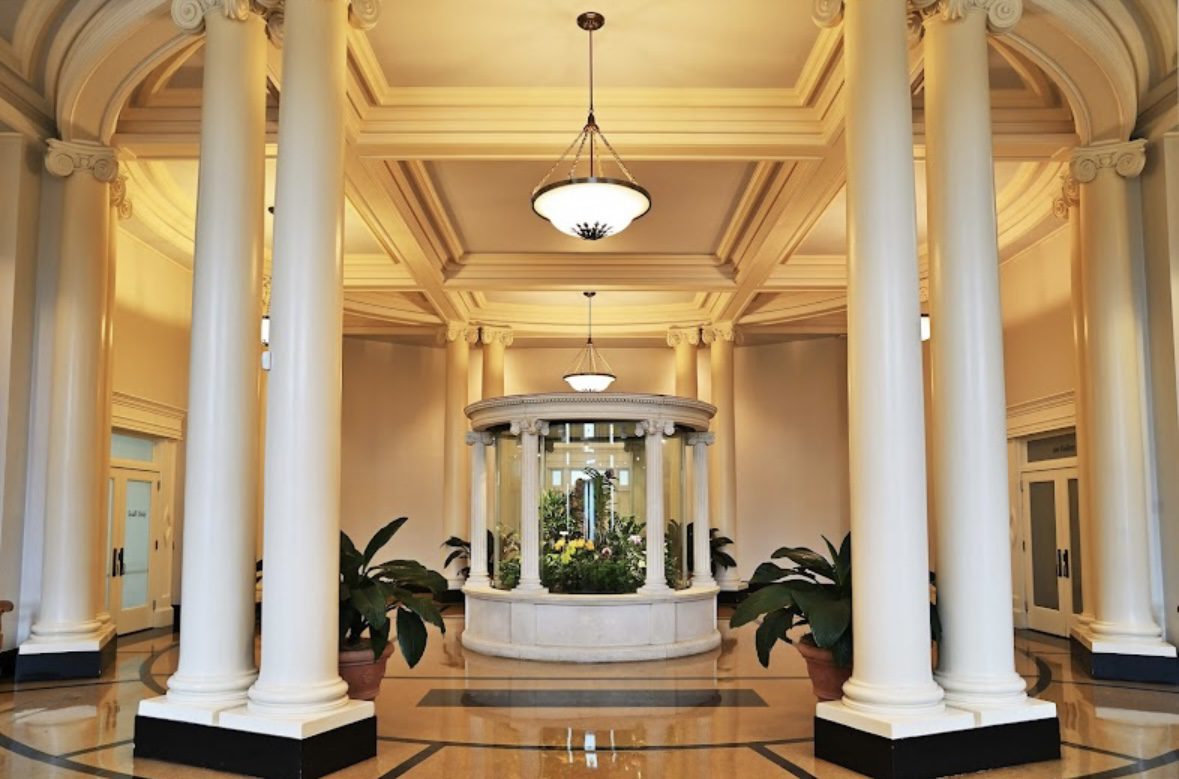
The LuEsther Mertz Library in the Bronx is an affiliate of the New York Public Library, named in honor of a dedicated activist and philanthropist. Serving the Morrisania neighborhood, it provides educational resources, modern infrastructure, and youth programs, while also functioning as a vital community hub. Read more about it on bronx1.one.
Who Was the Library in the Bronx Botanical Garden Named After?
Born in Ohio in 1906, LuEsther Mertz was the youngest daughter of a Methodist minister. She earned a library science degree from Syracuse University and later co-founded the well-known marketing company, Publishers Clearing House, with her husband. Mertz was a passionate supporter of culture, the arts, environmental causes, and human rights. Among her many initiatives, she launched an audio magazine for the visually impaired and was a benefactor to several prominent cultural institutions in New York City.
In her community, she was an active figure in library and public affairs, earning multiple state awards for her contributions. LuEsther Mertz was a devoted supporter of the New York Botanical Garden (NYBG), and after her death in 1991, her foundation helped fund key programs and facilities there. The library was named in her honor as a tribute to her love of literature and her commitment to science and education.
The Founding Story
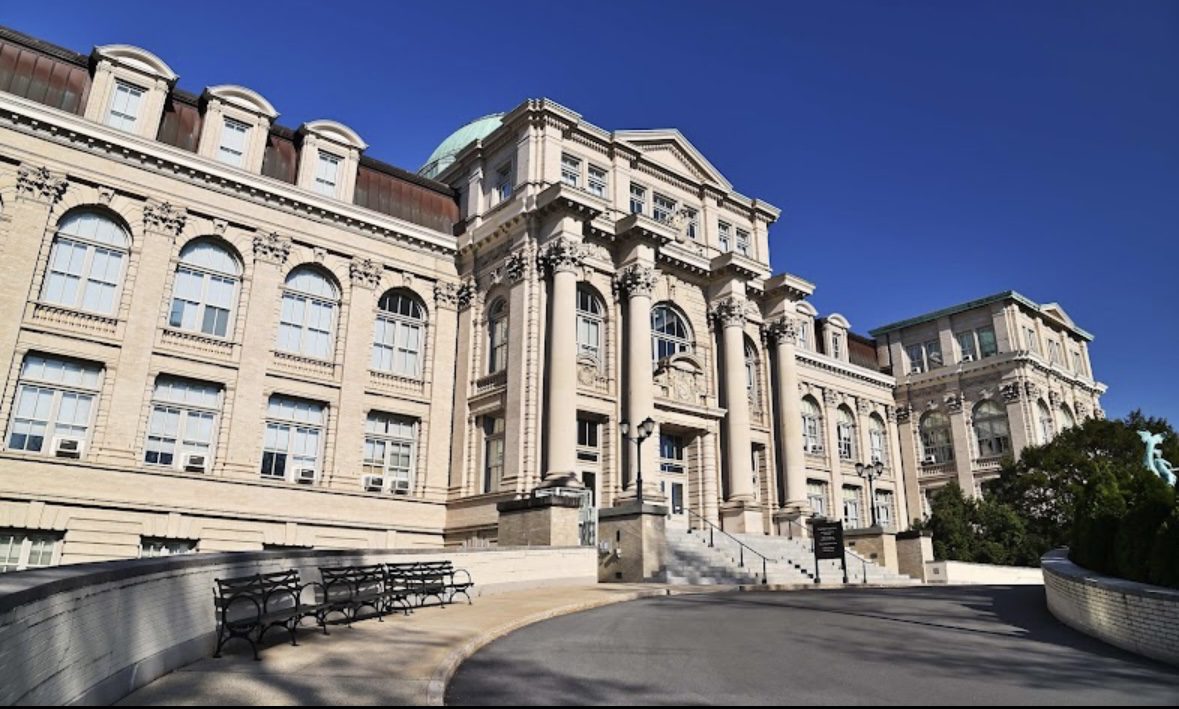
The LuEsther Mertz Library stands as the largest botanical research library in the United States and the first to be exclusively dedicated to the science of botany. Its collection features books on botany, horticulture, ecology, architecture, ethnobotany, and related fields, including both contemporary publications and rare historical works.
The library’s origins trace back to 1896, when members of the Botanical Club, including Nathaniel Britton, began gathering materials for a botanical library. It was initially housed in the Lorillard Mansion before relocating to a new building, then called the Museum Building, in December 1899. The library officially opened to the public in January 1900 with Anna Murray Vail as its first librarian. Although the official opening date is 1900, the collection itself started four years earlier in 1896. Interestingly, there was no formal opening ceremony for the library.
Construction and Design
Construction of the library was delayed until July 1897 due to disputes; some feared that a museum and conservatory would disrupt the natural landscape of the Botanical Garden. Despite the concerns, city architects moved forward with plans and funding applications were submitted. After a series of bids, the John Parker company was selected for its competitive offer.
A formal cornerstone ceremony was held on December 31, 1897, and by March 1900, construction was reported as complete.
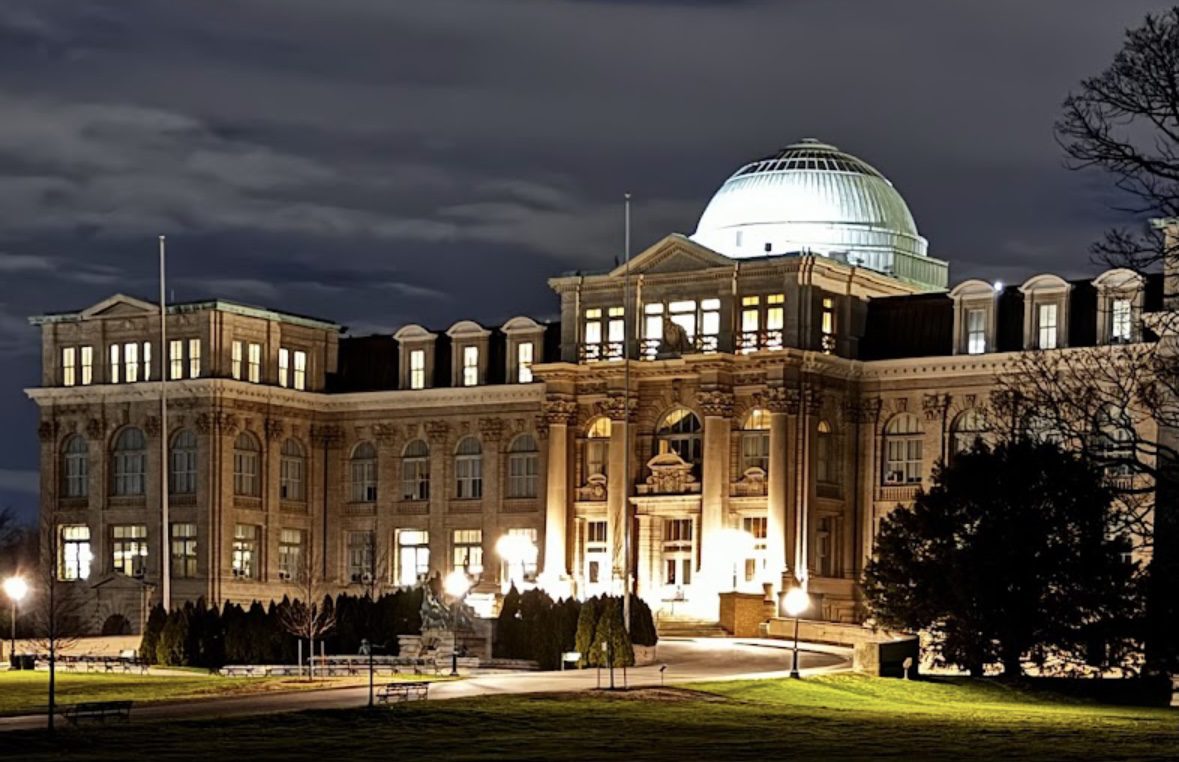
The original building was designed in the Italian Renaissance style by Robert Gibson. Its central dome and symmetrical side wings are a hallmark of its design. The complex includes four additions:
- the International Plant Science Center, east of the north wing;
- the Science and Education Building, east of the south wing;
- a single-story south extension;
- the Harriet Barnes Pratt Wing, located behind the central pavilion.
The facade is made of brick and terracotta, with intricate architectural details like columns, pilasters, balustrades, and a dome. The central west facade is adorned with the coats of arms for New York City, New York State, and the United States.
The main building, constructed with steel and concrete, features a 400-person lecture hall in the basement.
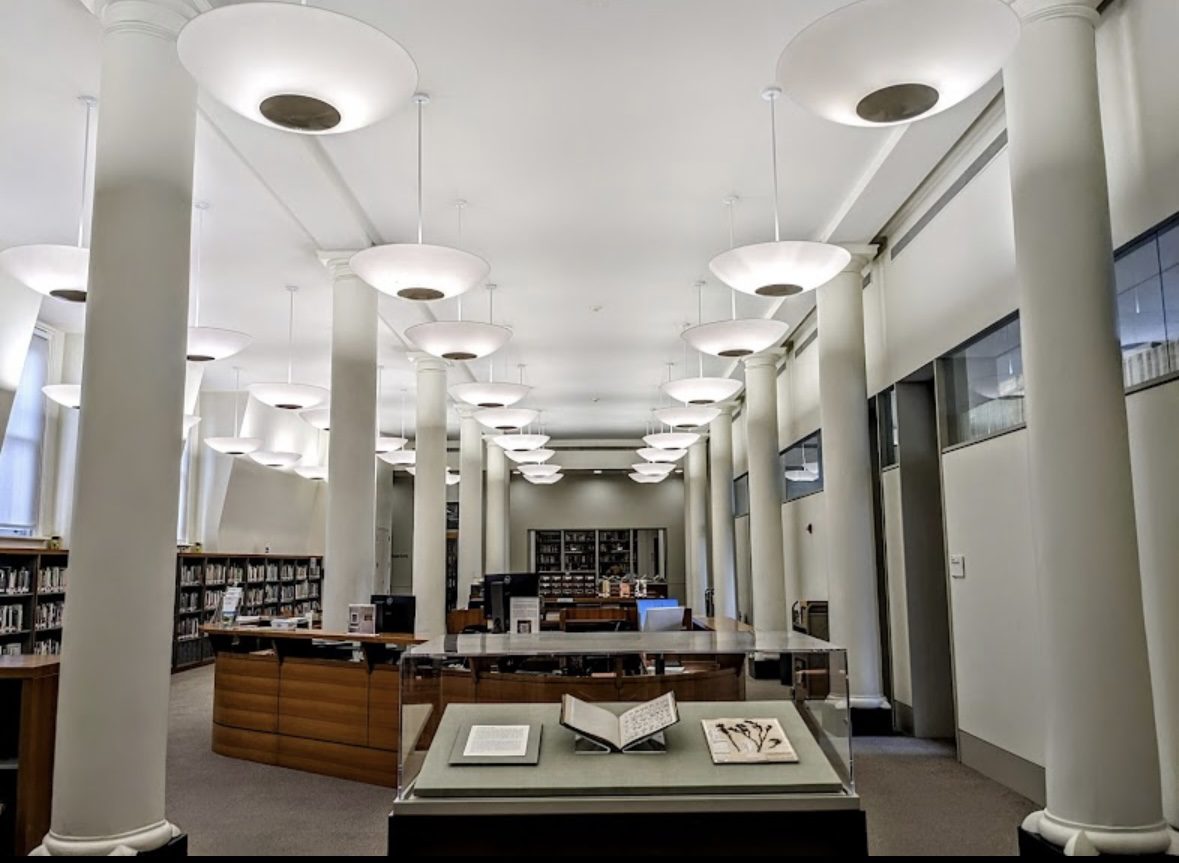
The first floor initially housed the Museum of Economic Botany, while the second floor held the general Botany Museum with plant exhibits. The Museum of Economic Botany was established in 1907 and later split into two sections: food plants and other species. The third floor was home to the library, reading room, herbarium, and laboratories. A 2002 renovation added a large reference section and a 50-person classroom.
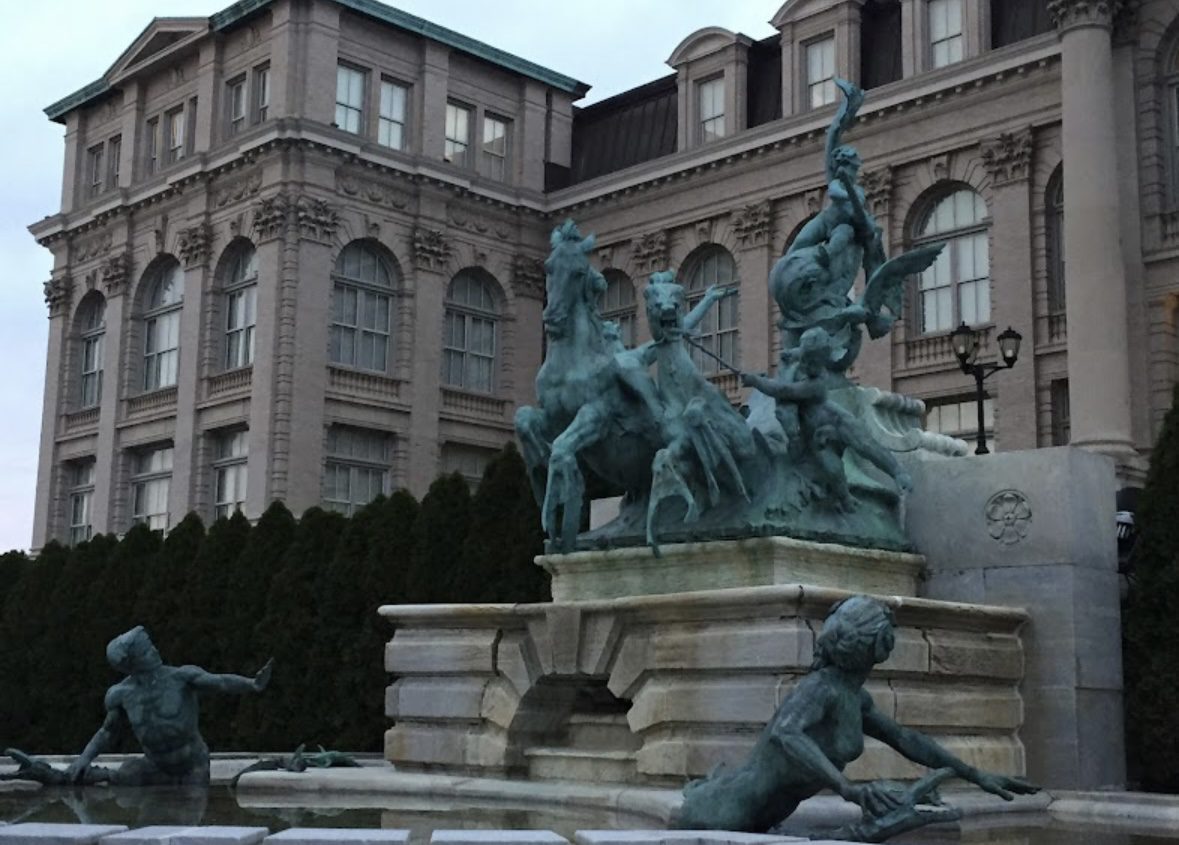
The “Fountain of Life,” created by Carl Tefft in 1905, sits in front of the main entrance. Its dynamic sculptures feature women, horses, boys with fish and a dolphin, and mermaids in a basin. Once surrounded by a road, the section directly in front of the fountain was converted into a pedestrian walkway in 1961. After being partially dismantled due to damage in 1968, the fountain was restored in 2005 and new sculptures were added, including a bronze book.
Structure and Operations
The LuEsther Mertz Library is open to the public and is essential in supporting the Garden’s educational, research, and training programs. Beyond serving users, the library actively seeks partnerships to expand access to knowledge and develop new ways to find and share information.
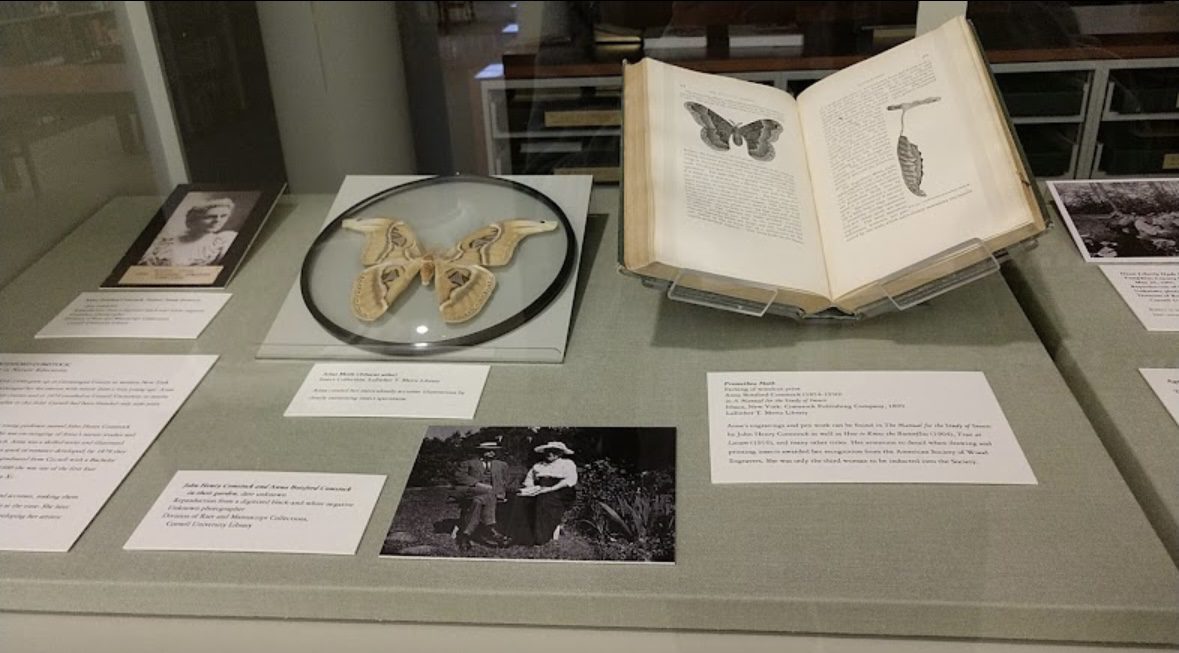
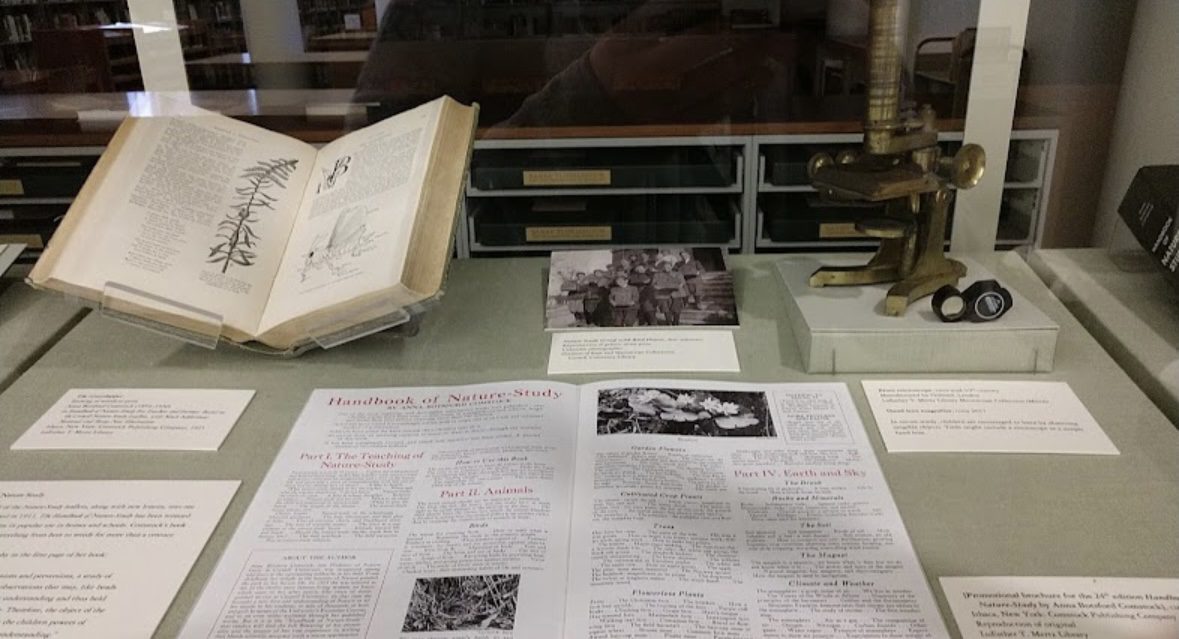
The library’s archival collections document the history of the New York Botanical Garden from its founding and contain unique materials on the history of American botany and horticulture. The archives hold books and documents, including correspondence, diaries, photos, maps, plans, illustrations, and historically valuable objects. A portion of these materials is available in the online catalog, and access to them is granted by appointment.
The library consistently adds to its collection with new print and digital publications. It acquires materials through purchases, donations, and exchanges with botanical institutions across the United States, Europe, Asia, Africa, and Latin America. These resources are used by NYBG staff, researchers, and students worldwide, providing them with access to the latest knowledge in the field of botany. The library also has access to numerous scientific journals from around the globe, many of which are available online through the Journal Finder.
The Conservation Department is dedicated to the long-term preservation of the library’s collections, ensuring their safety and accessibility. Its work adheres to the standards of the American Institute for Conservation of Historic and Artistic Works and the American Library Association’s policy. In 2003, the library was recognized with an award for its contribution to collection conservation.
In a specialized lab, staff and volunteers regularly perform book care tasks, including repairs, binding, and creating protective enclosures. Individual restoration efforts are carried out for archival and rare materials, ranging from cover repairs to resewing. All procedures are documented in writing and with photographs.
The main goal is to minimize chemical, physical, and biological damage to the materials. This is achieved by combining traditional bookbinding craftsmanship, modern restoration technologies, and computer monitoring.
A high priority is given to controlling the climate in the storage areas and moving vulnerable materials to safe locations. Since 2000, the library has maintained an independent climate monitoring program using the HOBO system. Temperature and humidity are measured regularly and compared with data from the NYBG engineering department to ensure optimal storage conditions.
Valuable Collections
The LuEsther Mertz Library’s collections are a vital resource for research on climate change, particularly in the field of biogeography—the study of the distribution of species and ecosystems across space and time. The library’s materials allow for the analysis of the spread of species and natural environments. The library also plays a significant role in preserving information about endangered species. While the focus is on botanical materials, the collections also include descriptions and images of extinct animals, particularly birds. One example is the 1754 edition of “The Natural History of Carolina, Florida, and the Bahama Islands” by Mark Catesby. During his time in North America, he created the first colored illustrations of local flora and fauna and described bird migration. The book depicts at least three birds that are now extinct. Such historical sources, along with materials on taxonomy, floristics, climate change, and conservation, provide a valuable resource for scientists and humanities scholars studying environmental transformations.
Among the most valuable and popular collections at the library are:
- General Research Collection.
This collection holds over 575,000 items on botany, horticulture, and landscape design. The materials, published after 1753, are kept in a climate-controlled vault.
- Rare Book Collection.
This collection contains the oldest manuscripts and some of the most beautiful botanical volumes. It includes publications from before 1753 and lavishly illustrated folios from the 18th and 19th centuries.
- Pre-1850 Collection.
Covering over 9,600 publications from 1753 to 1850, this collection is especially valuable for its early American prints.
- Lending Collection.
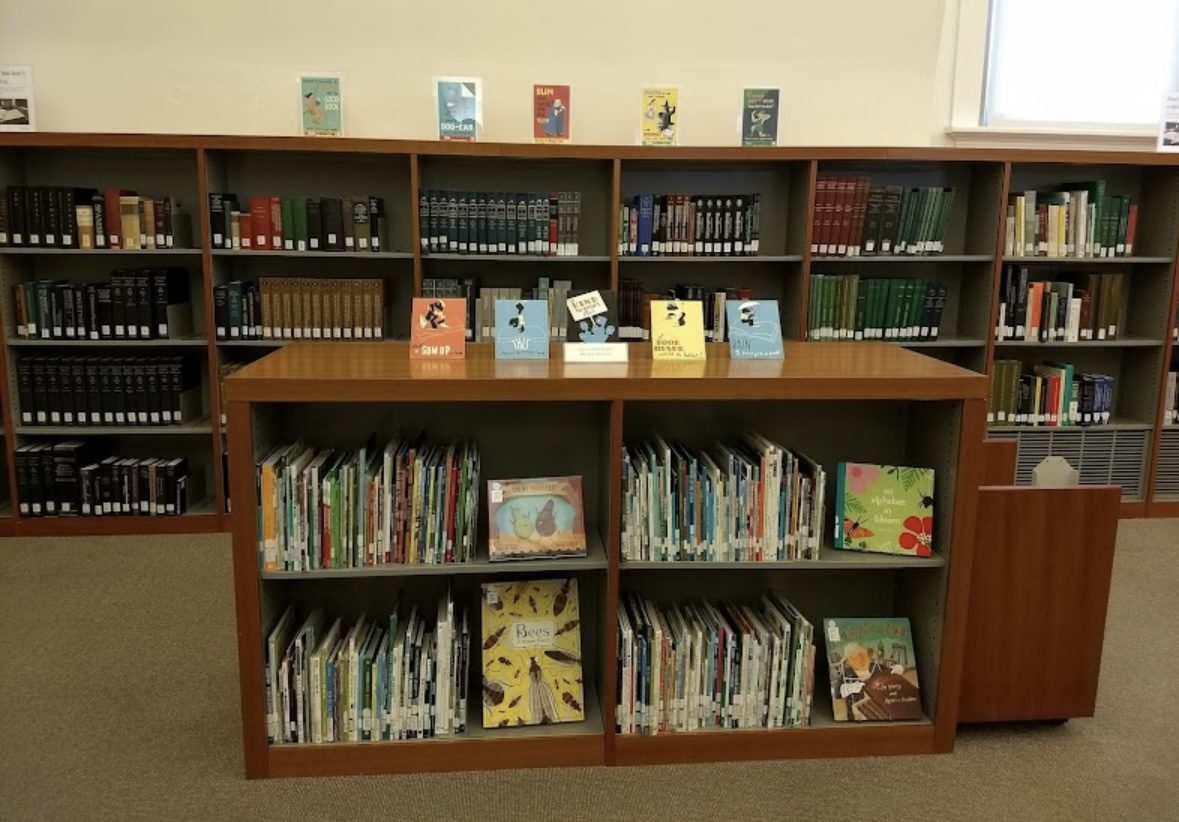
This includes about 4,000 volumes on botany, gardening, Bronx history, botanical illustration, and children’s books. They can be borrowed for three weeks.
- Reference Collection.
This collection contains encyclopedias, dictionaries, atlases, and guides for plant care, identifying poisonous species, pests, and diseases.
- Art and Illustration Collection.
With over 25,000 items, this collection includes drawings, watercolors, paintings, sculptures, and photographs used in taxonomy.
- Seed Catalog Collection.
This collection comprises about 58,000 items, including catalogs from American plant suppliers of the 20th century.
- Index Seminum Collection.
This collection contains printed lists of wild plant seeds exchanged by botanical gardens and arboretums.
- Vertical File.
A thematic collection of newspaper clippings, photos, and ephemeral materials started in the 1920s. It is still updated, though more of these materials are now being stored in digital databases.