

Appearing during challenging times of crisis, the Alexander’s chain of stores quickly grew into one of New York’s most successful and well-known retailers. It became a prime example of how entrepreneurial instinct, market savvy, and adaptability can transform a small shop into a true retail empire. Seventy years later, the company made another sophisticated move: it bounced back from bankruptcy, reaching a new level and fundamentally shifting its business focus. Learn more about the history of this intriguing player in the American market on bronx1.one.
A Winning Strategy – The Key to Success
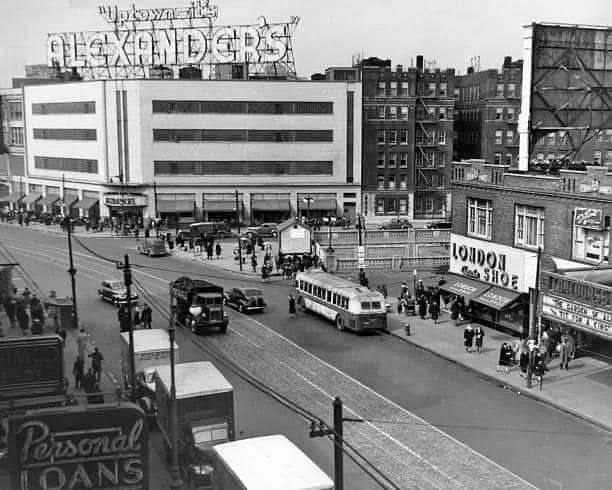
The story of the Alexander’s department store chain begins in the childhood of its founder, George Farkas. As an eight-year-old boy, he helped in his father’s clothing store in Brooklyn. After his father’s passing, Farkas decided to continue the family business. In 1924, he opened his own small store in the Bronx. Just four years later, he launched a larger retail establishment, which he named Alexander’s, in honor of his father.
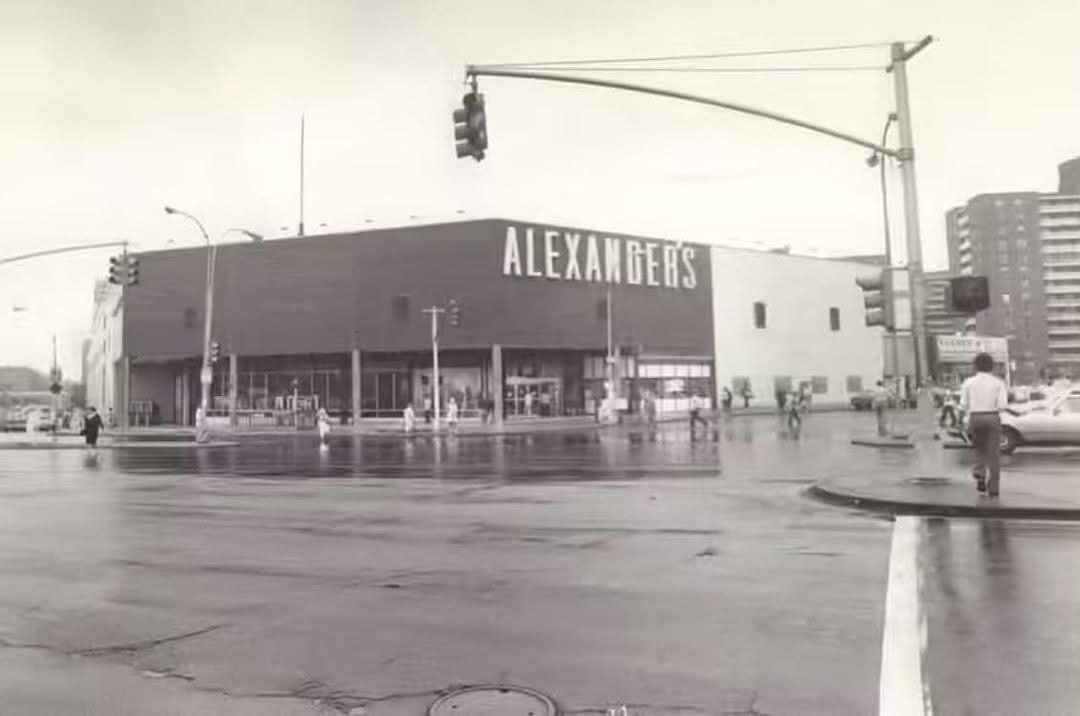
The first Alexander’s store opened in 1928 under the el at the corner of 152nd Street and Third Avenue in the Bronx. With an initial investment of just $7,500, it was a real breakthrough – sales reached half a million dollars in its first year. By the spring of 1929, the space had expanded an astonishing 30 times. Farkas himself later recalled in an interview with The New York Times:
“Fortunately, I had to sell all my inventory before the crash to pay for that expansion. We were also small enough and flexible enough to survive and grow during the Great Depression.”
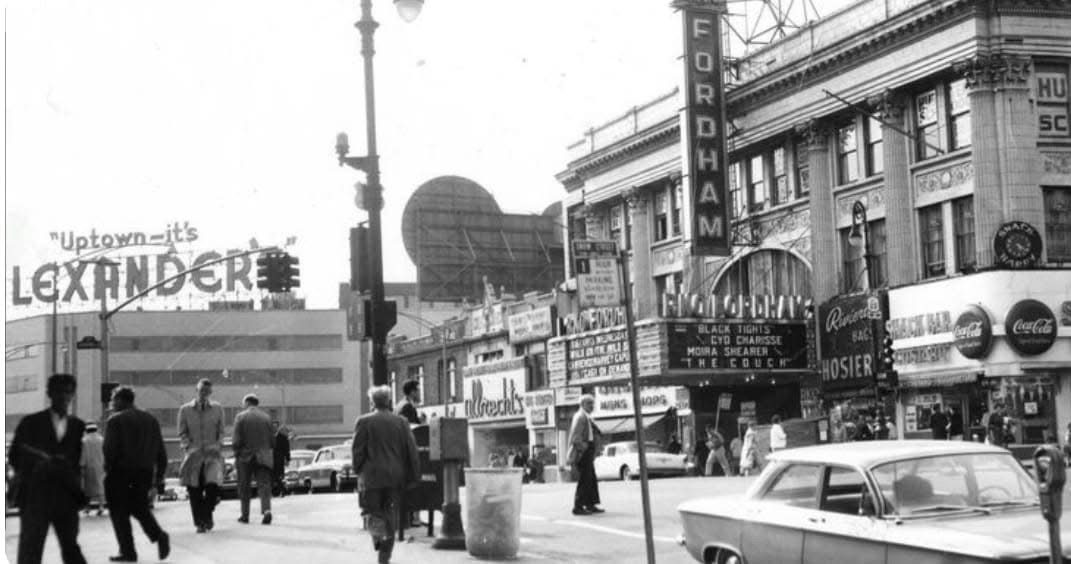
Despite the economic difficulties of the 1930s, Alexander’s continued to grow. In 1933, a second store opened at the corner of Fordham Road and Grand Concourse, which later became the company’s main office. Over time, this store also expanded significantly – 10 times its original size.
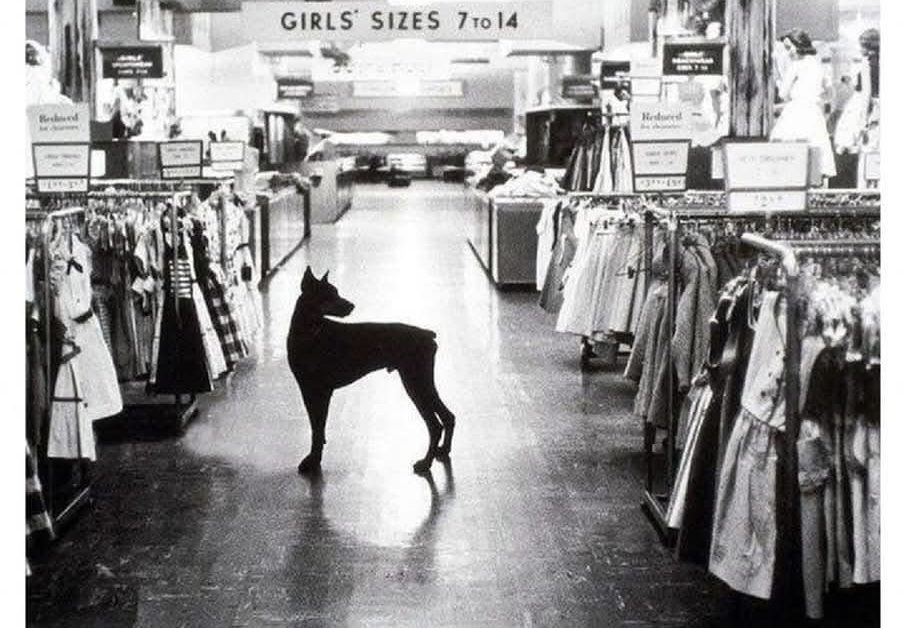
The chain carved out a unique niche between a classic department store and a discount retailer. Its success was built on affordable clothing that combined low prices with a certain level of style – exactly what customers needed during economic hardship. Farkas adhered to a principle of economy: instead of high-rent locations in Midtown Manhattan, he bought property in the outer boroughs, avoided extra expenses for store decor, did not offer credit purchases or mail-order services, and actively invested in technologies that reduced labor costs. The store often offered the same brand-name goods as major downtown department stores, but at significantly lower prices. To avoid straining relationships with manufacturers, the company did not publicize brand names in advertising or window displays, and sometimes even removed brand labels at suppliers’ request.
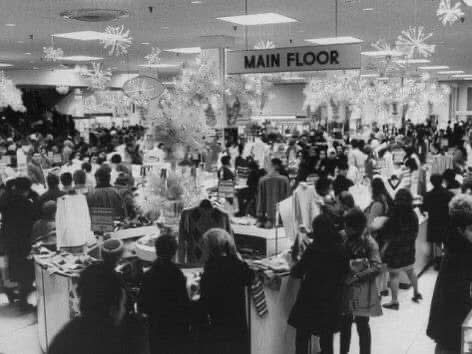
Post-War Boom and Suburban Expansion
After World War II, the U.S. experienced an economic boom, and Alexander’s customers increasingly belonged to the middle class. However, a new trend – the mass exodus of city dwellers to the suburbs – posed a challenge for urban retailers. George Farkas and his team didn’t miss a beat: by 1951, Alexander’s opened a new store in White Plains. This new establishment symbolized modern suburban shopping: it featured a six-story parking garage, was the first in the region to operate during evening hours, and quickly gained popularity among shoppers. Just two years after its opening, the chain’s total annual sales reached $47 million.
Over the next decade, Alexander’s actively expanded into the suburbs of New York and neighboring states. By 1963, new branches had appeared in Rego Park (Queens), Milford (Connecticut), and Paramus (New Jersey). These steps allowed the company to reach a new audience – affluent suburban residents looking for stylish goods at affordable prices.
To maintain its position in a competitive market, the company embarked on a renewal strategy. At the initiative of George Farkas’s eldest son, it was decided to improve the clothing assortment, focusing on fashion. Alexander’s signed exclusive contracts with European manufacturers, but initially, these efforts did not yield profit. In 1965, Farkas frankly admitted in an interview with Business Week:
“We lost money for years on imports before we finally broke even.”
In addition to clothing, the assortment also expanded to include home goods: radios and televisions, works of art, luggage, and other everyday items. Simultaneously, the company updated the look of its stores. The Paramus outlet was the most striking example. Its facade was adorned with a massive abstract glass and steel installation, dubbed the “world’s largest mural,” which stretched for an entire city block.
Manhattan Breakthrough and Going Public
In the 1960s, Alexander’s reached a new level of development, taking a significant step in conquering prime retail space in the very heart of New York City. In 1963, the company acquired a T-shaped plot in Midtown Manhattan, just a block south of the famous Bloomingdale’s department store. This plot was later expanded, and in 1965, a new flagship Alexander’s store opened on the site – a seven-story modern building that became the first department store constructed from the ground up in Midtown Manhattan since 1947.
At that time, Alexander’s Department Stores, Inc. remained a private company, controlled by Farbro Corp., a holding structure owned by George Farkas, his wife, and their four sons. However, the situation took a new turn after Louis Schwadron, a relative of the Farkas family and co-founder of the company, sold his 38% stake to the largest discount store chain in the U.S. – E.J. Korvette, Inc., in 1962.
This led to complex negotiations. Although Korvette tried to gain control, the Farkas family refused to sell their majority stake. In 1967, Spartan Industries, Inc., which then owned Korvette, agreed to sell half of the acquired Alexander’s shares back to the Farkas family, and to offer the rest for public placement. In 1968, Alexander’s went public, and George Farkas’s son, Alexander, became its new CEO. During the initial public offering, approximately 40% of the outstanding shares were sold, and the company raised $41 million in investments.
Financial indicators showed rapid growth. In the 1966 fiscal year, Alexander’s sold goods worth $199.84 million, and by 1970, that figure exceeded $272 million. Net profit during the same period tripled, from $2.19 million to $6.84 million.
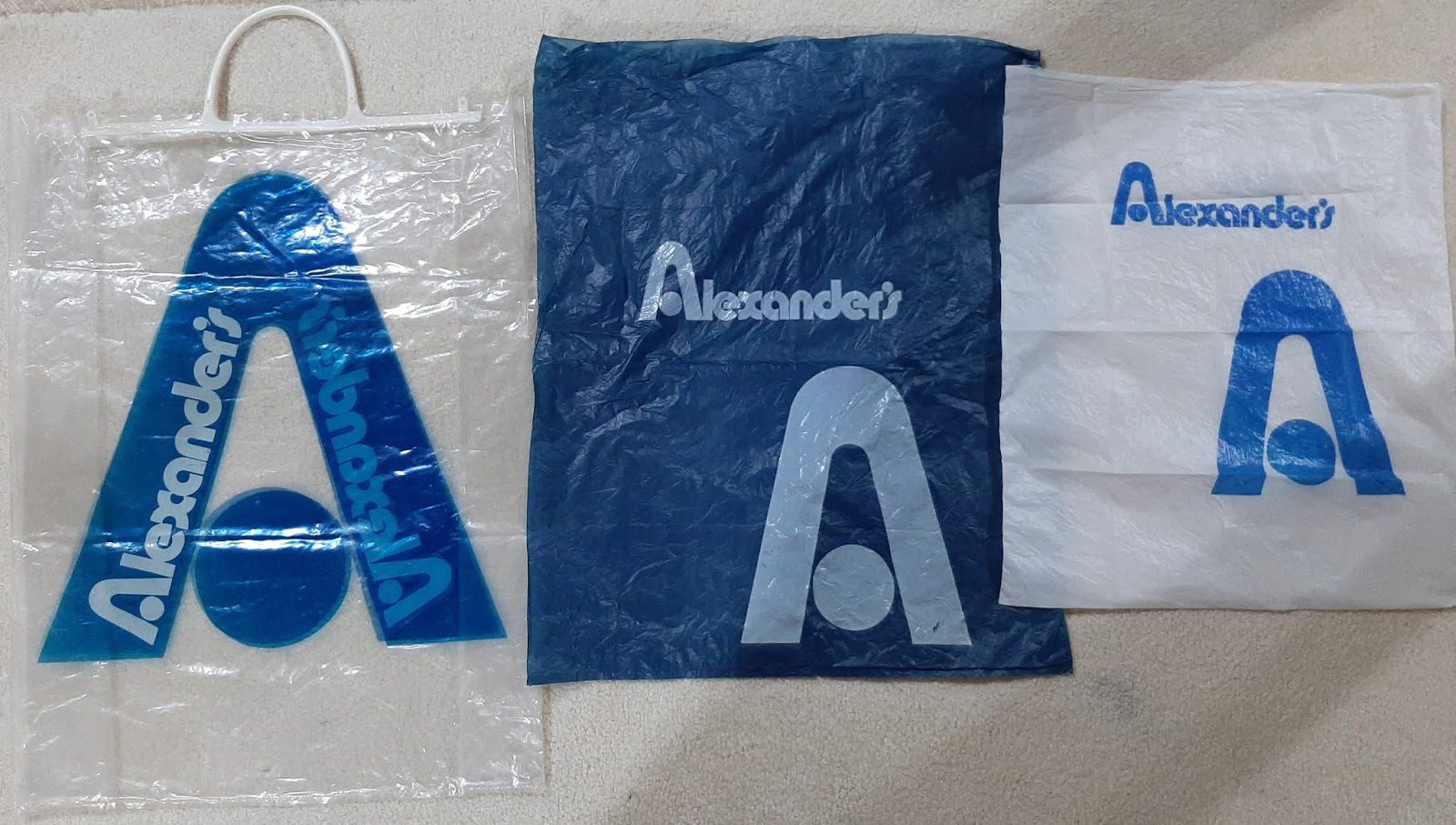
The company also continued its geographical expansion. In 1967, a store opened in Valley Stream. Three years later, Alexander’s, in partnership with R.H. Macy & Co., opened a department store in the Kings Plaza shopping center in Brooklyn. Thus, the company not only strengthened its position in the metropolis but also firmly established itself in the market as a modernized and large-scale player with national ambitions.
Decline, Bankruptcy, and Transformation
In the 1970s, Alexander’s continued to expand its department store network. In 1971, the company opened a new store at the Garden City shopping center on Long Island, and the following year, two more retail locations in Edison and Eatontown, New Jersey. In 1975, a store appeared in Flushing (Queens), and in 1977, in Yonkers and the Westchester Mall in Mohegan Lake. A true breakthrough was the opening of a store in the World Trade Center in Manhattan in 1980, symbolizing the company’s ambition to solidify its presence in the city’s most prestigious commercial environment.
However, in the 1980s, profits began to decline sharply. The acquisition of the Margo’s La Mode chain proved to be a failure, leading to millions in losses.
In the 1980s, Stephen Roth’s Interstate Properties took control of the company. In 1987-1988, Donald Trump also entered the picture, becoming a co-owner.
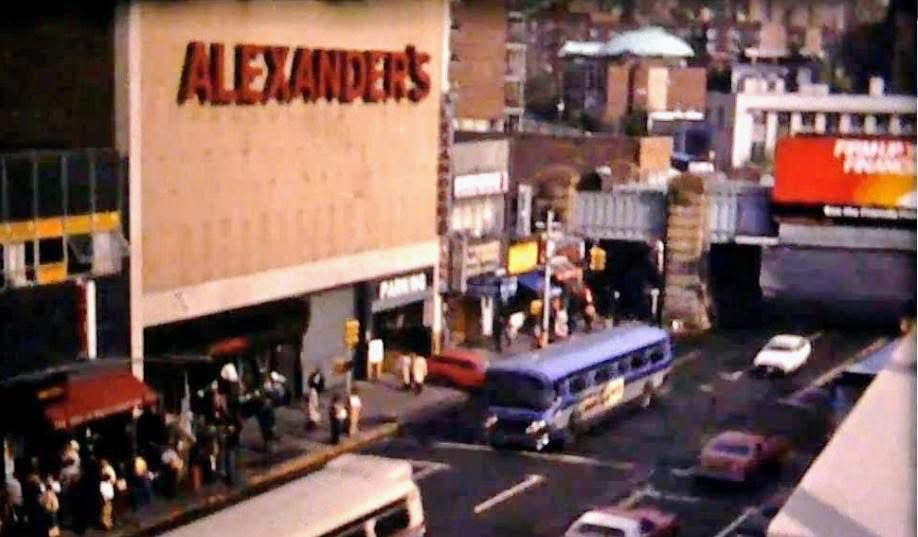
From 1983 to 1990, more and more stores closed. Although Robin Farkas tried to revive the chain, the financial situation worsened.
In 1992, the company incurred losses of $40 million and closed all its stores. Following this, it filed for bankruptcy, and its assets were sold off.
But this was not the end. The very next year, Alexander’s emerged from bankruptcy and began its transformation into a real estate investment trust (REIT).
In 1995, it received funding from Vornado Realty Trust, which gradually became the main shareholder.
Alexander’s began leasing or selling real estate, as well as investing in new properties – including the Kings Plaza shopping center in Brooklyn. Despite debts, the financial situation improved, and the company ultimately shifted its focus from retail to real estate management.
Thus, Alexander’s journeyed from a retail giant to bankruptcy, and then transformed into a powerful player in the real estate market.