

He is best known as the president and CEO of the Harlem Children’s Zone (HCZ)—a massive educational and social project in Harlem that supports children from birth through college. His approach has been dubbed “from cradle to career.” Geoffrey Canada, who grew up in the South Bronx, has become one of the most prominent advocates for quality education for children from underserved communities. Let’s learn more about his life and crucial social mission on bronx1.one.
From the Chaos of the Bronx to Education and Discipline
Geoffrey Canada was born on January 13, 1952, in the South Bronx—a neighborhood where poverty, dilapidated buildings, crime, and violence were the backdrop of his childhood. He was the third of four sons of Mary Elizabeth Canada, an addiction counselor, and Macalister Canada. His parents divorced when Geoffrey was just four, and he was raised primarily by his mother, while his father remained mostly absent and offered no financial support.
Despite the chaotic environment, Mary Canada believed in education as the only ticket to a better life. When Geoffrey was 13, she sent him to live with his grandparents in Wyandanch, New York. There, he attended the local Memorial High School, where he received a scholarship from the Masonic Lodge during his senior year.
His desire to understand people and change society led him to Bowdoin College in Maine, where he earned a bachelor’s degree in psychology and sociology in 1974. A year later, Canada graduated from Harvard Graduate School of Education with a master’s degree in education.
His professional path began swiftly. In 1975, Geoffrey Canada became the principal of the Robert White School in Boston, and in 1983, he founded the Chang Moo Kwan martial arts school. At the same time, he served as the Director of Education and Program Director at the Rheedlen Centers for Children and Families, where he worked on preventing truancy and supporting young people.
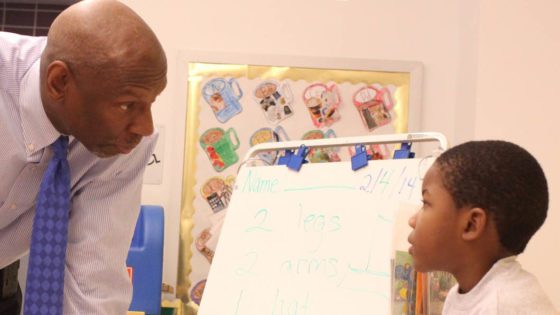
Incidentally, sport talent also ran in his family. His brother, Derrick Canada, played for the legendary Harlem Globetrotters.
This early life—from the disorderly streets of his childhood to leadership positions in education—became the foundation for Geoffrey Canada’s future grand mission.
Geoffrey Canada’s Mission: To Save the Children of Harlem
When Geoffrey Canada became the president of a small non-profit organization called the Rheedlen Centers for Children and Families in 1990, he quickly realized that the scope of its work was too small to change the lives of children in impoverished neighborhoods. His ambitions and plans were bigger: to create a space where every child, regardless of their family’s wealth, could have the same chance as children from affluent families. This is how the Harlem Children’s Zone (HCZ) was born—a bold experiment that initially covered just 24 blocks and later expanded to 97.
Harlem has always been a place of great stories—during the Harlem Renaissance, it was a hub of art, politics, and music. But over the years, the neighborhood fell into decline and became a symbol of urban poverty. Canada wanted to bring it back to life, and he started with what was most valuable: the children.
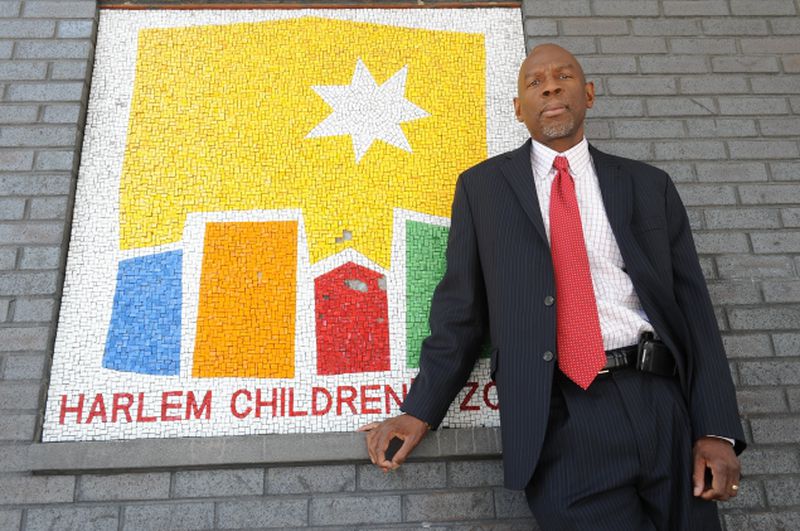
“If your child goes to our school, we guarantee they will go to college,” he promised parents.
And this promise was not empty. He raised over $100 million in private donations to fill the Harlem Children’s Zone with free educational, medical, and cultural programs. The next step was opening the Promise Academy—a school with classes that had one adult for every six students, modern labs, a gym, and healthy food. However, a spot was not guaranteed even for Harlem residents. Due to overwhelming demand, admission was conducted through a lottery.
“Watching parents whose kids don’t get into the school is the saddest thing I’ve ever seen,” Canada admitted.
But HCZ is not just about schools. It’s about comprehensive support: from Baby College, where young parents are taught to raise children without physical punishment, to tutoring for high school students, karate classes to build discipline, and medical assistance programs for children with asthma. Canada even considered financial incentives for students with perfect attendance justifiable:
“I am not worried if I pay them. Because if we don’t, they might end up in jail—and that will cost society much more.”
After retiring in 2014, Canada did not abandon his mission. In 2020, he returned to launch the William Julius Wilson Institute and expand the HCZ model to 21 cities across the country. He believes that schools alone cannot overcome all challenges, but the community, businesses, and philanthropists can change the situation together.
“I have seen these struggles repeat themselves from generation to generation,” he says. “But I have also seen people who are willing to fight. And I believe we can solve these problems.”
The Man Who Gave a Voice to Harlem
When people talk about Geoffrey Canada, they often mention not only his projects but also his charisma and ability to captivate an audience. He knew how to convey his message to anyone—from politicians and businessmen to television viewers in the most remote corners of the country. He appeared on Charlie Rose, was a guest on The Oprah Winfrey Show, on The Tonight Show Starring Jimmy Fallon, and even in satirical interviews on The Colbert Report. A profile on 60 Minutes and a commercial for American Express that aired during the Oscars turned him into a recognizable figure far beyond Harlem.
Canada’s influence on media and culture is highlighted by another fact: he is one of the few people to be featured twice on the cover of City Limits magazine—first in 1994, when he was just launching the Harlem Children’s Zone, and again in 2010, when it had become a national symbol in the fight against poverty.
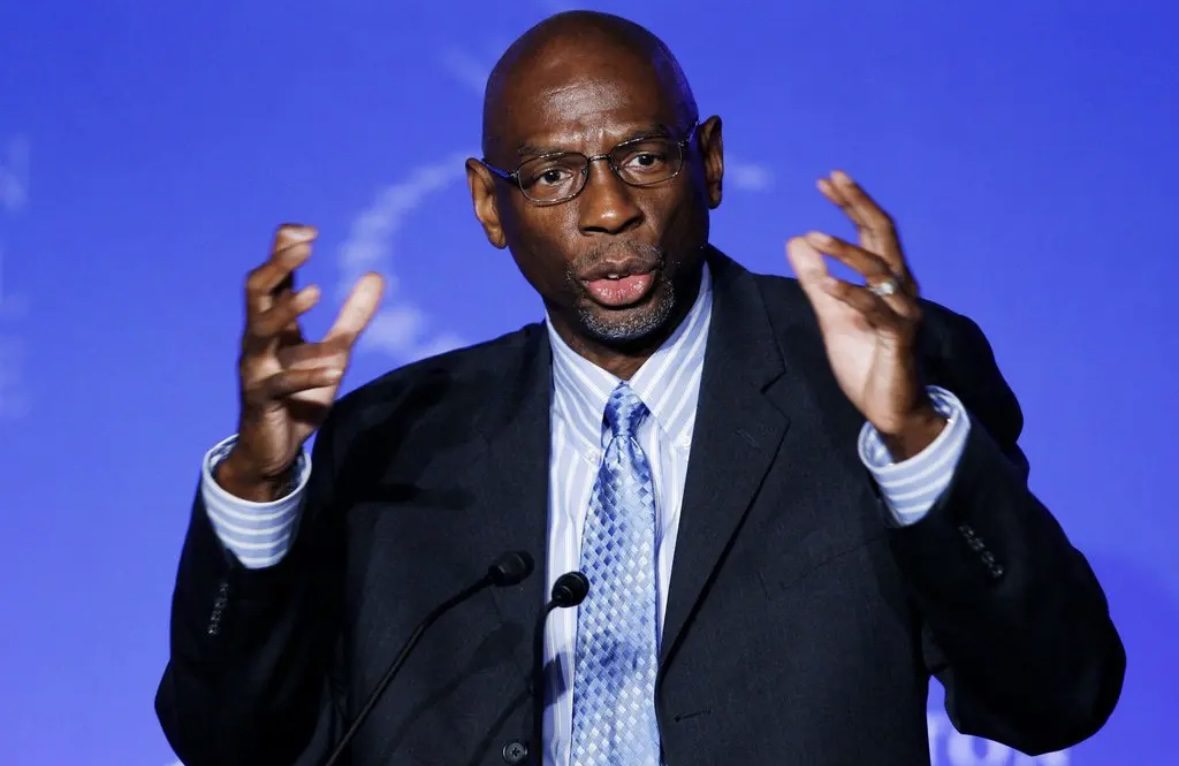
As a writer, Geoffrey Canada also left a deep mark. His first book, Fist Stick Knife Gun (1995), is a candid and painful account of the violence he faced in his childhood and the ways to overcome this epidemic in American cities. Fifteen years later, a graphic version was released, illustrated by Jamar Nicholas, which Publishers Weekly called “an emotional and inexorable call to stop America’s war on itself.”
In 1998, Canada published his second book, Reaching Up for Manhood, dedicated to helping boys grow into strong and responsible men in a society that often pushes them in the opposite direction.
Recognition and Role
Geoffrey Canada’s name has long been a symbol of service to people. This status is confirmed by dozens of awards and honors. He received his first major recognition in 1995—the Heinz Award, given for outstanding contributions to improving society. Since then, Geoffrey Canada’s name has graced diplomas and medals from America’s most prestigious universities—from Bowdoin and Tulane to Princeton and Columbia. He has been awarded honorary doctorates in humane letters and law, and in 2010, BET named him a “Local Hero.”
But Canada was never content with honorary titles alone. His energy was needed wherever the fate of entire communities was being decided. In 2006, New York Mayor Michael Bloomberg appointed him co-chair of the Commission for Economic Opportunity—a team tasked with developing a plan to combat poverty. He later joined the Governor of New York’s Council of Economic and Fiscal Advisors and remained an influential voice on many non-profit boards, including the Children’s Defense Fund and the Community Black Crusade for Children.
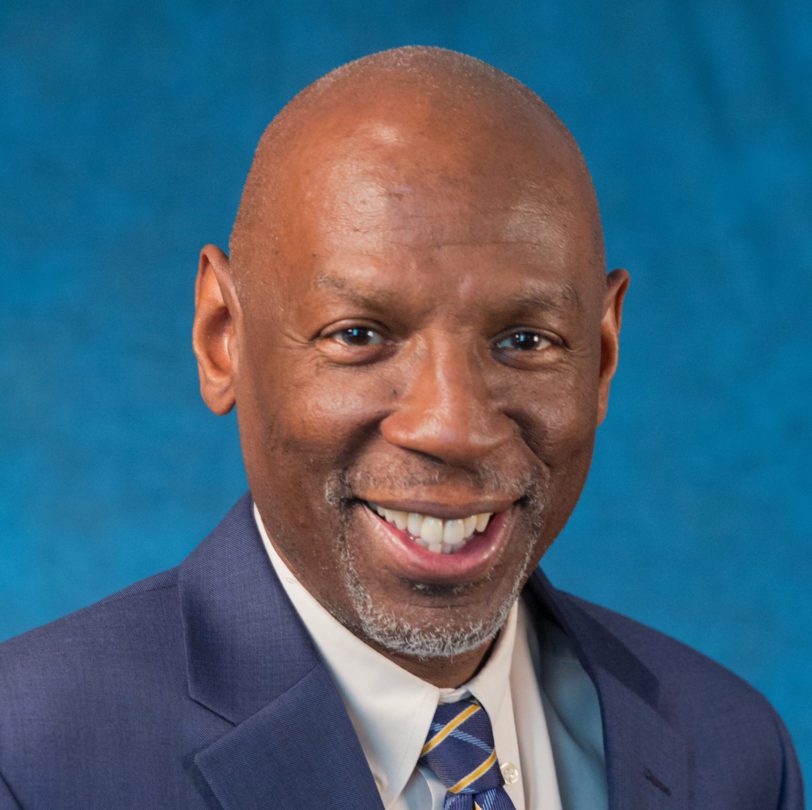
It is no coincidence that Geoffrey Canada was one of the key figures in the documentary Waiting for “Superman”, which sparked a broad discussion about the state of American education.
And while he has received many awards in his life, the greatest ones are the children and families he has helped find their way. This is a story about a person who doesn’t just work with children—he is changing the future of an entire country.