

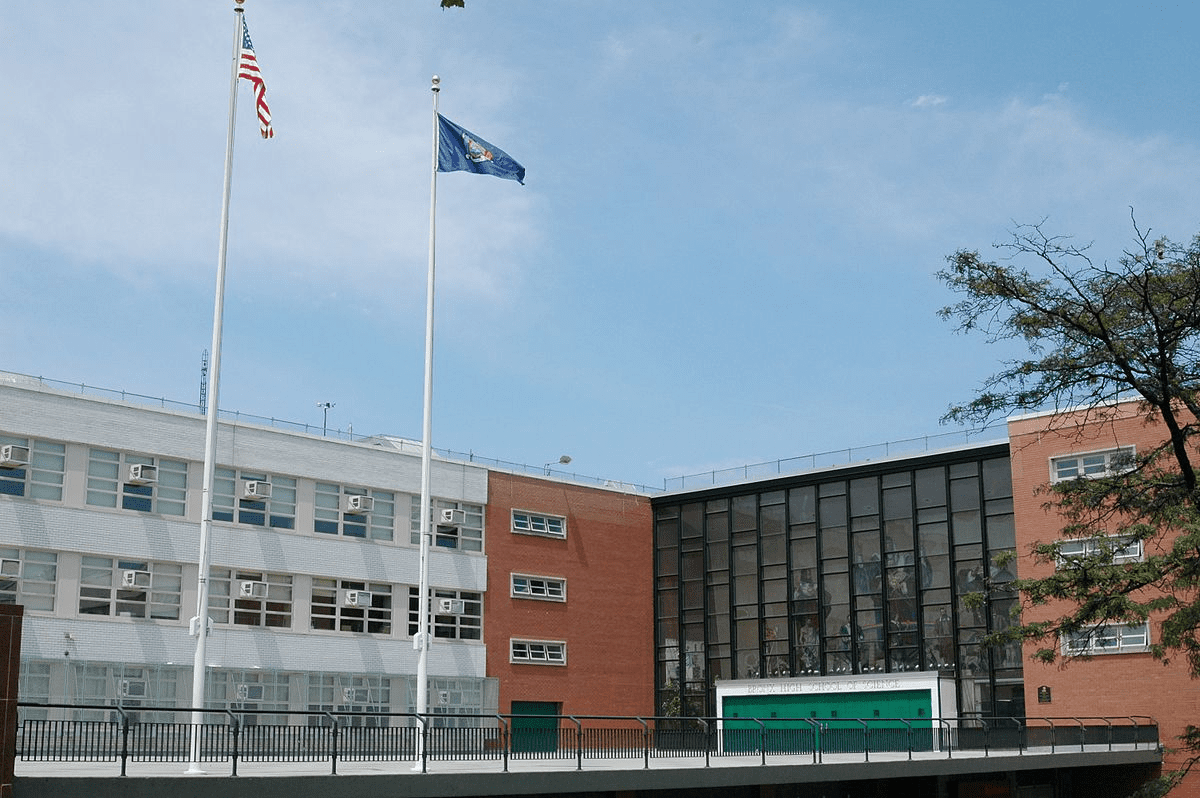
If you’ve ever thought of the Bronx as just a remote borough of New York City with little to offer, think again. The Bronx is home to a vibrant population, a subway system, zoos, museums, libraries, industrial enterprises, and prominent educational institutions. Among these, the Bronx High School of Science stands out as one of America’s most renowned schools. Known for attracting intellectually gifted students from diverse ethnicities and cultures, the school has a Parents’ Association supporting these bright minds. Notably, it boasts seven Nobel Prize laureates, as well as numerous doctors, writers, teachers, and business leaders among its alumni. Learn more about this prestigious institution with bronx1.one.
The History of the School’s Foundation
According to web.archive.org, the Bronx High School of Science was founded in 1938 under the directive of the New York City Department of Education, just before World War II. The idea for this institution originated with Dr. Morris Meister, a teacher and scientist who recognized the potential of gifted youth. He believed these young minds, brought together in one institution, could achieve great things and drive American society forward. Dr. Meister served as the school’s first principal for many years.
Initially housed in a Gothic-style building at the intersection of Creston Avenue and 184th Street, the structure was built in 1918. It had previously been used by other schools, including Evander Childs High School, Walton High School (from 1930), and DeWitt Clinton High School (from 1935).
The Bronx High School of Science started modestly with just 150 ninth-grade and 250 tenth-grade male students. Over time, the number of students grew, and those from DeWitt Clinton were relocated to their main campus. Even when sharing a building, the two schools had separate teachers, classrooms, and administrative systems, although their uniforms and organizational structures were similar.
The school adopted green and gold as its colors, symbolizing chlorophyll and the sun, both essential for life.
War and Post-War Events in the School’s History
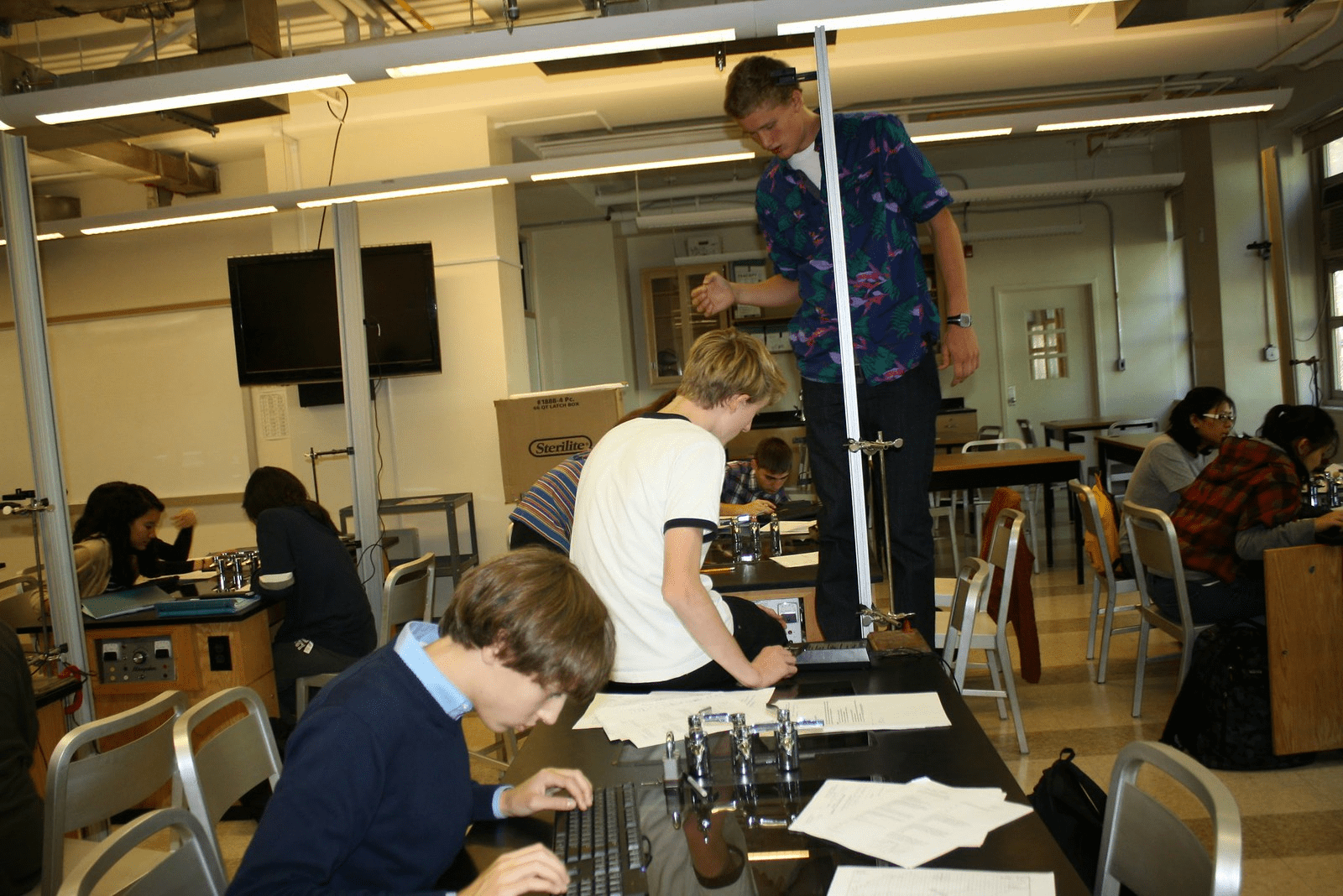
On December 7, 1941, the United States entered World War II, which had a profound impact on the Bronx High School of Science. The school adapted quickly to the war effort, introducing departments for auto mechanics, cartography, and aerodynamics.
After the war, the school experienced a renewed momentum for development. In September 1946, during the nascent stages of the women’s rights movement, the Bronx High School of Science admitted its first female students—130 women joined to pursue various specialties. This decision put the school ahead of its peers, including Stuyvesant High School (by 23 years) and Brooklyn Tech (by 26 years).
Reconstruction of the School
By the 1950s, the school had surpassed other specialized institutions but needed modern facilities to continue excelling. Construction of a new building began and was completed in 1959.
Around this time, Dr. Morris Meister transitioned to a role at Bronx Community College and was succeeded by Dr. Alexander Taffel. Dr. Taffel oversaw the move to the new premises, with a notable anecdote about the library’s relocation: students were asked to carry five books each from the old building on a Friday and bring them to the new one by Monday.
The new facilities provided opportunities for expanded curricula, with state-of-the-art additions such as:
- A mathematics lab featuring an IBM-based computer,
- A planetarium,
- A radio station,
- Greenhouses and plant/treatment rooms,
- Nutrition and scientific research labs,
- Six classroom labs and three individual research labs.
These resources necessitated an enriched academic program, leading to the creation of new science and mathematics departments.
The 1960s to 1980s: Challenges and Growth
The Vietnam War of the 1960s sparked student protests at the school. A seven-week teacher strike disrupted classes, but free temporary schools were organized in local churches. Dr. Taffel led a group of educators, students, and parents to ensure continued learning, setting an example for other institutions.
In the 1970s, the school’s reputation spread globally, inspiring similar institutions in the Soviet Union, Turkey, the Philippines, and plans for such schools in Korea, China, and Japan.
During the 1980s, the curriculum was updated to include journalism, ethical decision-making, and student participation in education, reflecting the changing times.
The Late 20th and Early 21st Centuries
In the 1990s, financial constraints led to the creation of a charitable foundation to support the school. This decade marked a shift towards computer technologies and communications. A Research Center was established, and modern computer labs were added throughout the campus.
The school also introduced a remote learning lab with conference capabilities and connected to the Internet via fiber optics, significantly enhancing its technical resources. Renovations, costing $2.5 million, ensured that every student had access to a computer for research and data analysis.
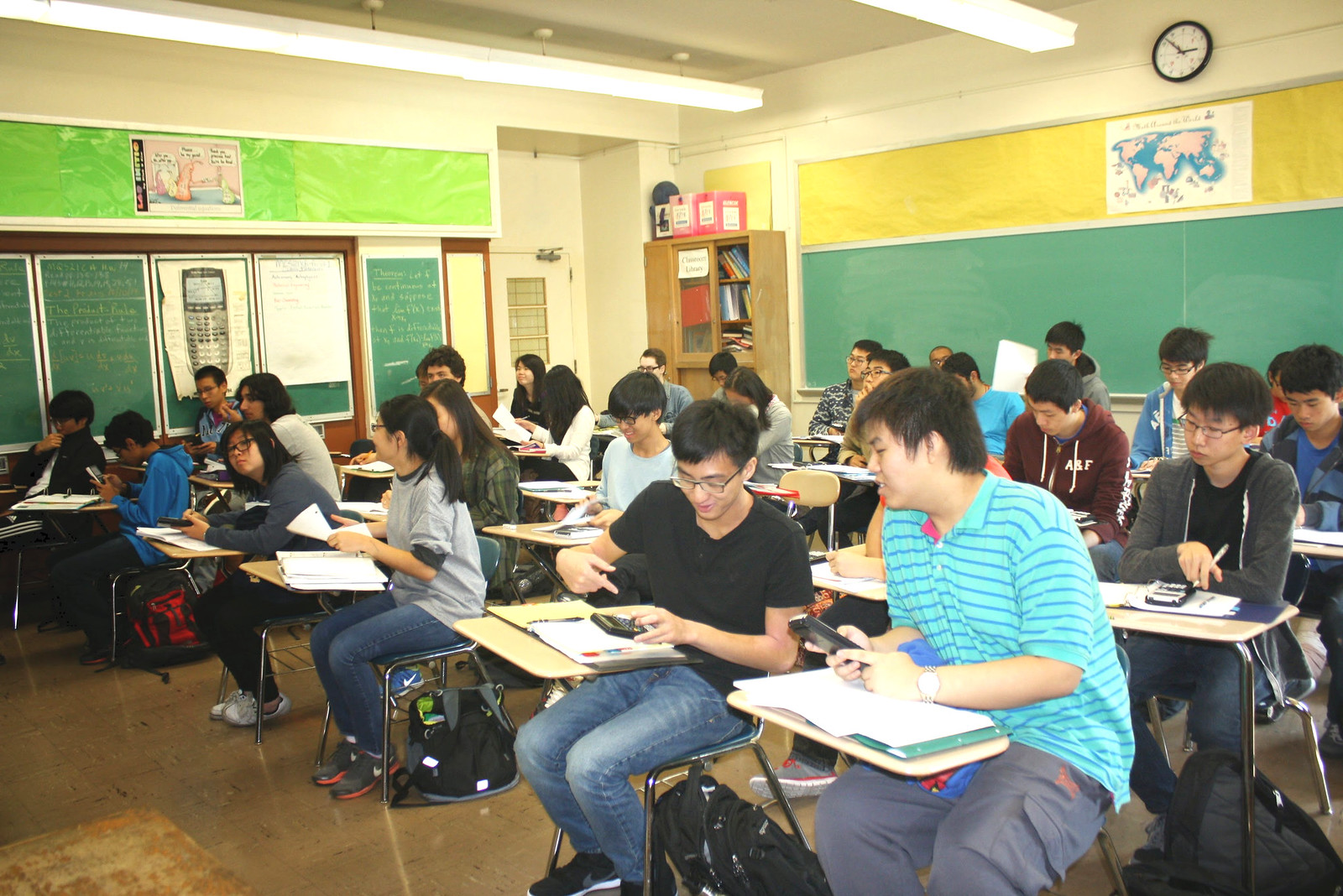
In the early 2000s, further modernization efforts included renovating classrooms and laboratories, installing new lighting and air conditioning, and equipping classrooms with “smart desks” featuring PCs, projectors, cameras, and audio systems for high-quality lessons.
Bronx High School of Science Today
The Bronx High School of Science remains a premier educational institution, preparing top-tier professionals in various fields. It continues to set standards in academic excellence and technological advancement, shaping the leaders of tomorrow.