

In New York, and not to mention, throughout the United States, it has become a good tradition to name educational institutions after prominent figures in American politics, military, music and science. Specifically, in the “Big Apple,” there are educational institutions named after Celia Cruz (singer), DeWitt Clinton (governor of New York State), G. Morris (governor, one of the authors of the US Constitution), and many others, all located in the Bronx. Additionally, to this list of named educational institutions, we must add Herbert H. Lehman High School. More about this educational institution will be told by the publication bronx1.one.
The History of School
As noted by thirteen.org, the school was founded in 1971 and located in the southwest Bronx, in the Westchester Square neighborhood. The exact address, if you wanted to visit, is 3000 East Tremont Avenue. The school’s name comes from Herbert H. Lehman, former governor of New York and U.S. senator, who had a significant influence on the development of the state’s educational system. He was born in 1878 and died in 1963. You may have already noticed that the school’s name is very similar to that of a college in the Bronx with the same surname as the governor. However, these educational institutions have nothing else in common, except for holding a joint graduation ceremony.
Bobby Bonilla and school
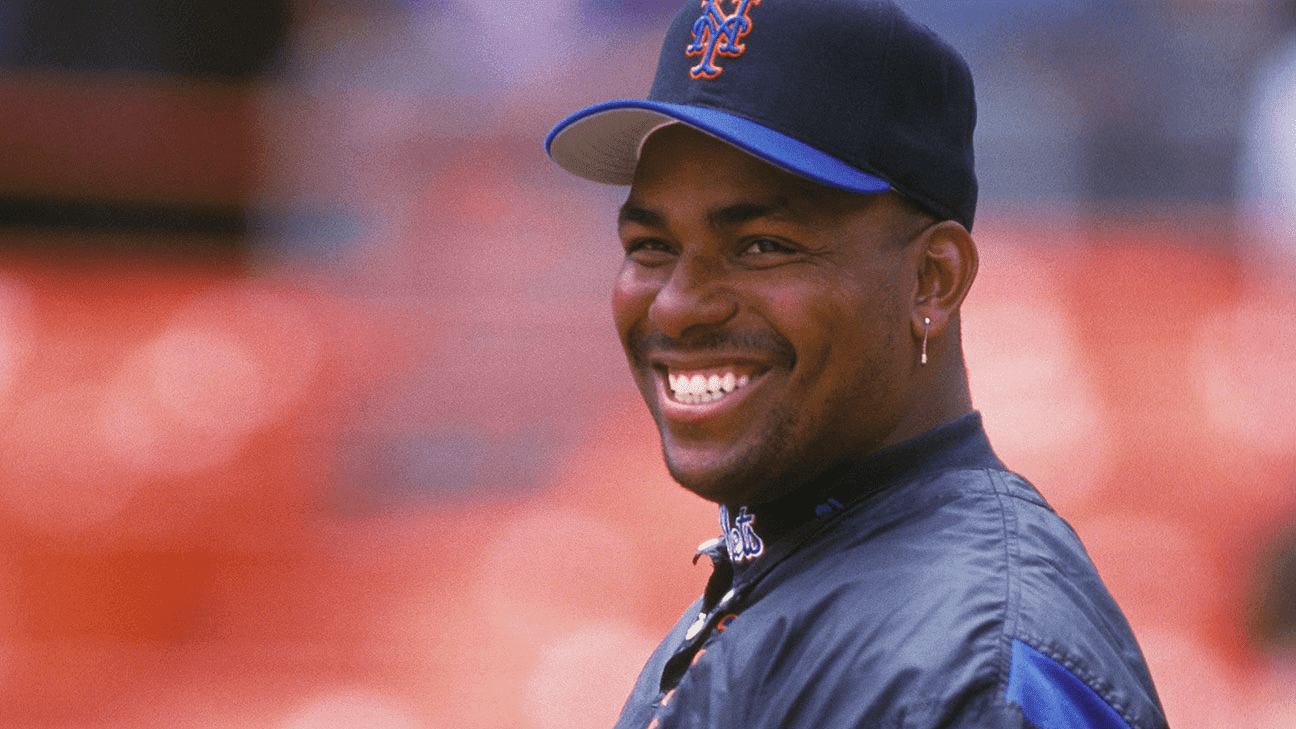
Many famous people attended this school, including coaches, writers, activists and lawyers. Let’s remember one of them, who did not forget the school after his graduation. One of the star graduates of the Herbert H. Lehman High School is the famous American baseball player Roberto Martin Antonio Bonilla. Although he played in Major League Baseball from the late 1980s to the early 21st century, his fame for his skills never faded. He also did not forget his roots and often visited the Bronx, where he grew up, and his alma mater. In 1992, he decided to establish the Bobby and Millie Bonilla Public Schools Foundation and donate a portion of his income to three Bronx public schools that helped him become the person and athlete he is today. He also included one school where his wife attended. For every win in the New York Mets team, he donated $500 to the foundation. Specifically, the funds went to his old school, Herbert H. Lehman High School, where his talents were ignored and the principal forced his coach to resign. The funds also went to Public School № 77, № 165, and the school where his wife studied, № 72. Each school was eligible to receive $50,000. However, there was a condition that the school principal should not be involved with these funds, which were meant to directly benefit the children.
The school in the early 21st century
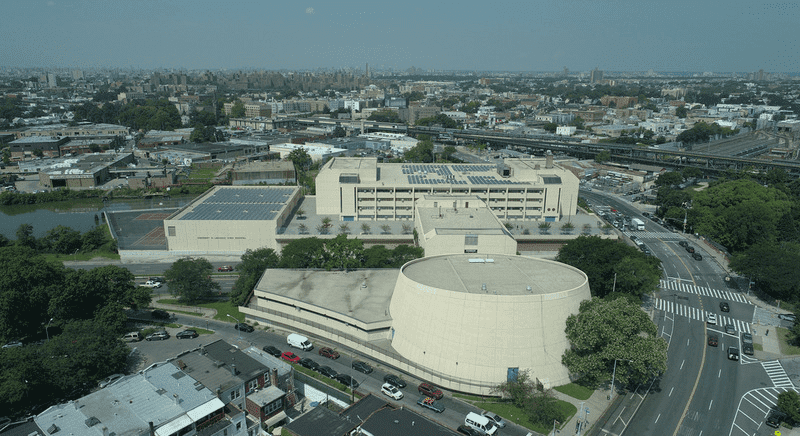
Herbert H. Lehman High School in the early 2000s was a formidable institution, with over 4,000 students aged 14 to 18 attending its halls. The school was renowned for its experienced teachers, rich cultural environment, and a vast selection of programs and courses that helped students find their interests and develop their abilities. It boasted an excellent research program, providing students with the necessary skills and knowledge to prepare for college and university entrance exams. Additionally, the school offered a broad range of vocational and technical programs, giving students a head start in finding employment after graduation.
When the school was built, just over 2000 students were enrolled. But after 30 years, the number had almost doubled. However, the school was safe for students but challenging for teachers. The crisis began between 2001 and 2003 when 500 new students from other dissolved schools in the Bronx entered the school. They were also called students with special needs because they lacked the desire to learn, and smaller schools could not accommodate them. As a result, these children were transferred to Herbert H. Lehman High School. In 2003, students from the Renaissance Higher School of Music Theater and Technology also joined, followed by students from the Westchester Academy.
In the early 2000s, specifically in 2006-2007, the school underwent a major external renovation. Painting was mainly done at night so that students could study undisturbed during the day.
Directors and scandals
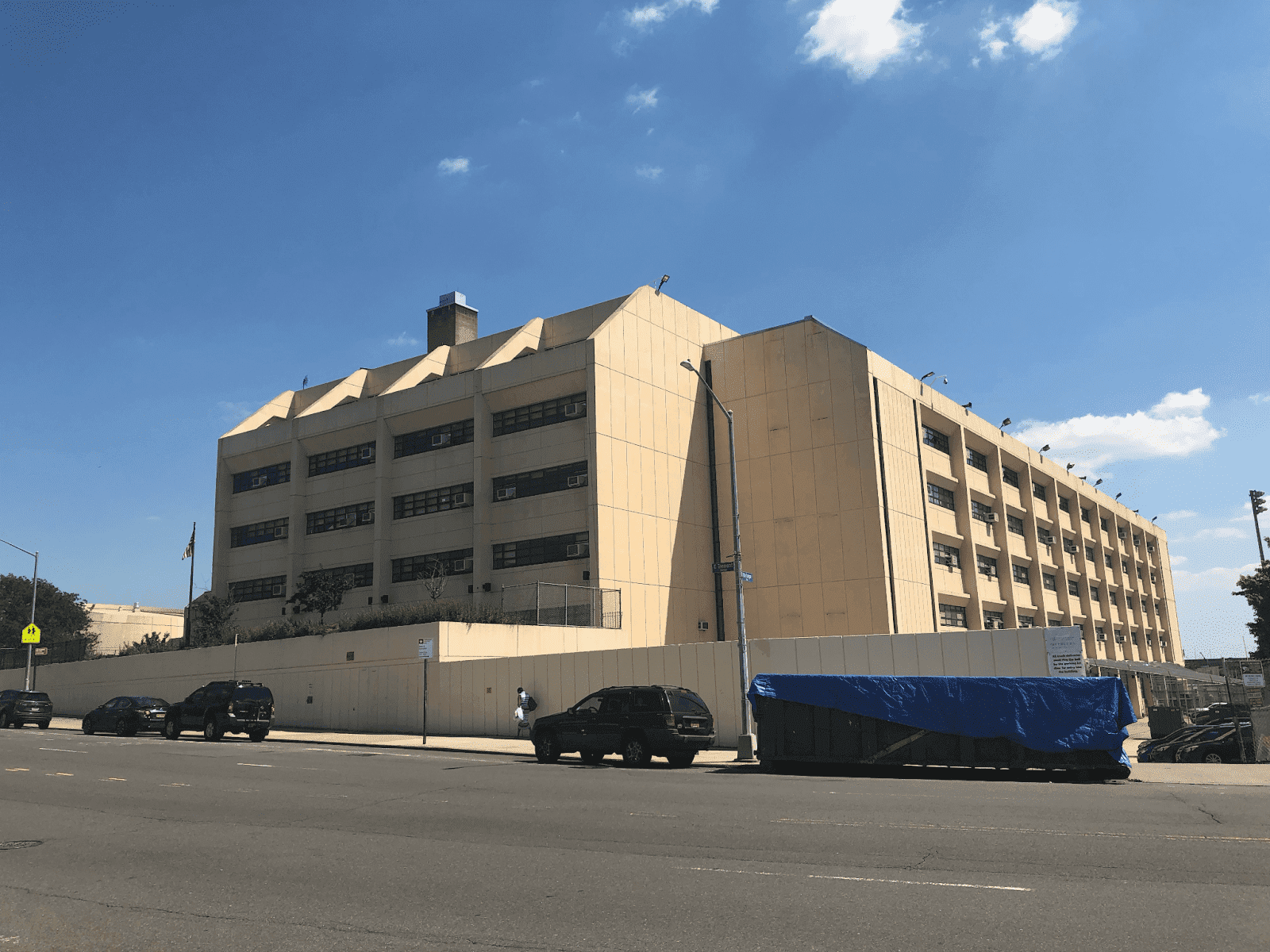
The school crisis intensified in 2007. But let’s start from the beginning. The school had been fortunate to have Robert Leder as its principal for 37 years. However, in 2007, he was accused of “failing to properly supervise” the school, which had 4,000 students and 430 teachers. It turned out that the principal “did not notice” how two of his assistants were embezzling school funds and claiming to work from home. The principal’s authority in the school was so high that parents, teachers, and students protested for a long time to defend him, including outside city hall. But he still had to go.
In 2008, Janet Saraceno was appointed to replace Robert Leder as the director of the school. She was asked to take over management of the school after Leder was fired. She held the title of executive director. She was paid a salary, a bonus of $25,000, and given a 3-year contract, with plans to extend it if the students’ success rate increased. However, she faced a lot of work, as the graduation rate of students was 48%, compared to the city’s average of 56% (in 2007, 51% of students graduated from the school, while the city’s rate was 61%). The school was referred to as a “persistently low-achieving” educational institution. Therefore, there was much work to be done.
However, her work did not succeed. Her teachers accused her of not attending classes and changing grades for problematic students from negative to positive. As a result, she was also dismissed. She was replaced by Mrs. Rose LoBianco.
As of 2012, the situation with the school’s success rate was still abysmal. There were plans to close the school and then divide it into smaller ones with different names. One of the teachers named James McSherry accused the education management of cutting the school’s budget six times, dismissing three directors in the past five years, removing school assistants from their jobs and doing many other things. Another teacher said that the school had many problems, one of which was that there were too many students in a building that was falling apart. The educator said that even if the restoration happened, it would create a sense of uncertainty among the teachers, as it would be difficult for them to plan educational programs for the next year. It is unknown whether there will be sufficient funding, or who among the teachers will still be working. In her opinion, education representatives who wanted to reform this educational institution simply did not understand how “big and complex this system” was.
Sport in School
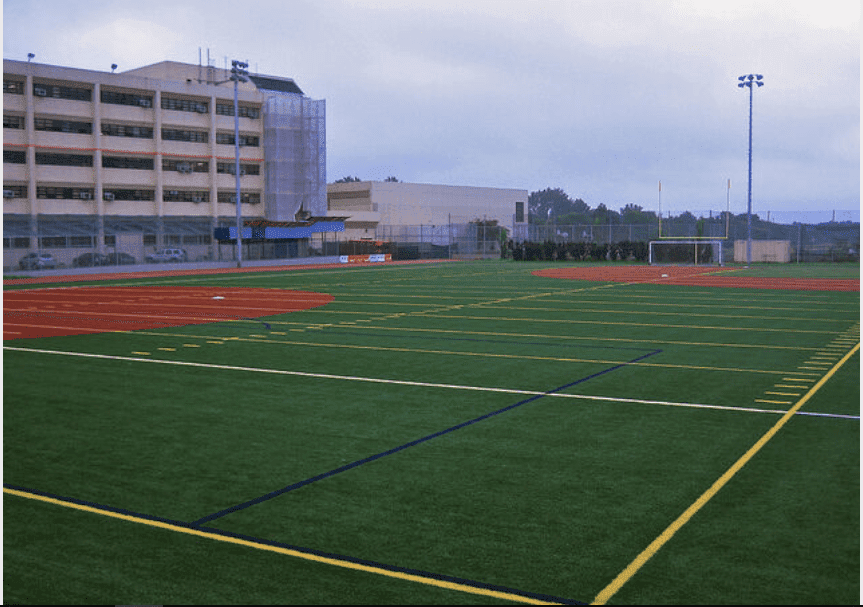
The school also has a large sports complex, which includes a pool, sports halls, and a football field. Students can join various sports teams: basketball, university football (they have been the champions for many years), track and field, baseball, volleyball, wrestling and others. They also have the ability showcase their athletic skills. In many disciplines, the school’s students are leaders in the city. The school mascot is a lion, and the team colors are blue and orange. If the team’s home kit is bluish and white with orange number outlines, they play in white shirts, blue numbers and blue shorts when they are away. The helmets are orange.
So, this is the story of this school. A school that existed from 1971 to 2012. What do you know about this educational institution?