

This isn’t just a market; it’s a living embodiment of the Italian community’s history in the Bronx. From its roots as a traditional farmers’ market in the 1930s, it has evolved into a modern gastronomic hub. Yet, it’s proudly maintained its authentic family charm, flavors, and the quintessential “Little Italy” style. Discover the story of this special retail corner in the Bronx on bronx1.one.
The Origin of Arthur Avenue
The history of Arthur Avenue is closely tied to the Lorillard family, French Huguenots who arrived in New York in the 1760s. Pierre Lorillard founded the Lorillard & Co. tobacco company, which eventually became one of the most famous in the U.S. After his death in 1778, the family set up tobacco production in the area of modern-day Belmont, along the Bronx River. Remnants of these enterprises still stand today, including the famous factory building now located within the New York Botanical Garden.
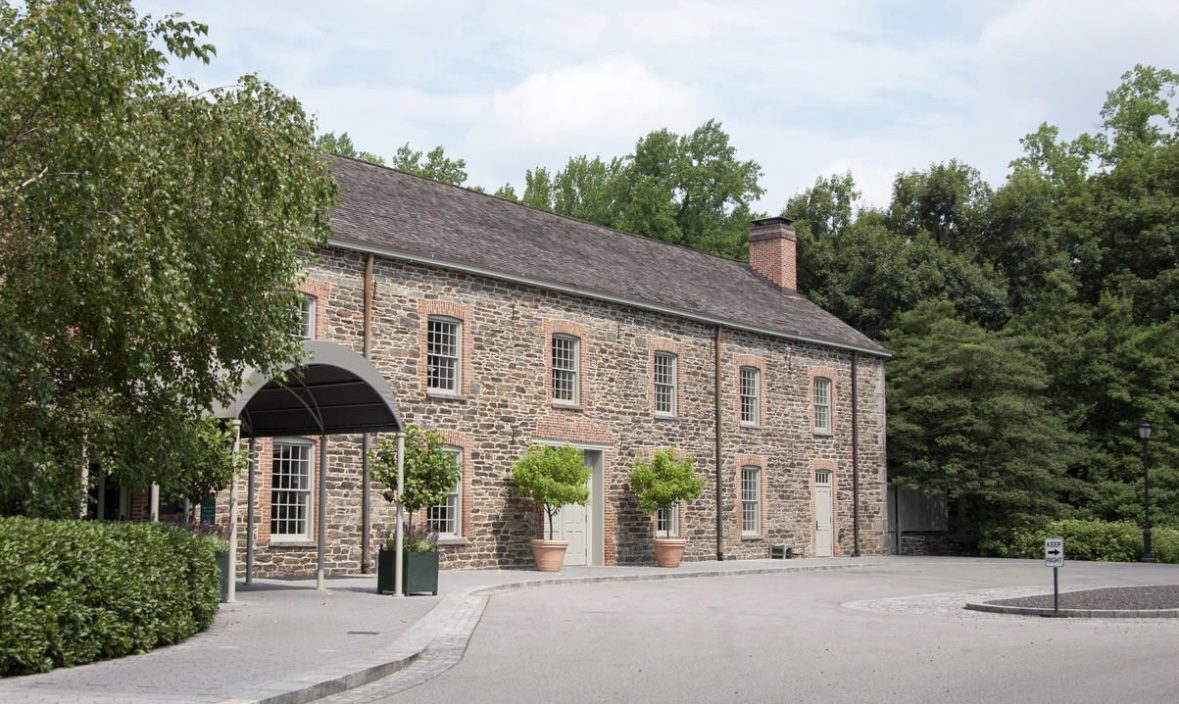
In 1870, Catherine Lorillard-Wolfe, heiress to the tobacco empire, inherited the estate. She later divided it into parcels. The land in the Belmont area was planned for new residential development, and the Lorillard mansion was converted into St. Barnabas Hospital. It was Catherine, a great admirer of President Chester Arthur, who named the new district’s main street in his honor – Arthur Avenue.
The Market’s Genesis
In the 1930s, when street vending was bustling in the Bronx, city authorities began seeking a more organized alternative. At that time, New York had over 50,000 pushcart vendors. To bring order, Mayor Fiorello LaGuardia initiated the creation of indoor markets. These spaces allowed street vendors to work in clean, convenient, and regulated conditions.
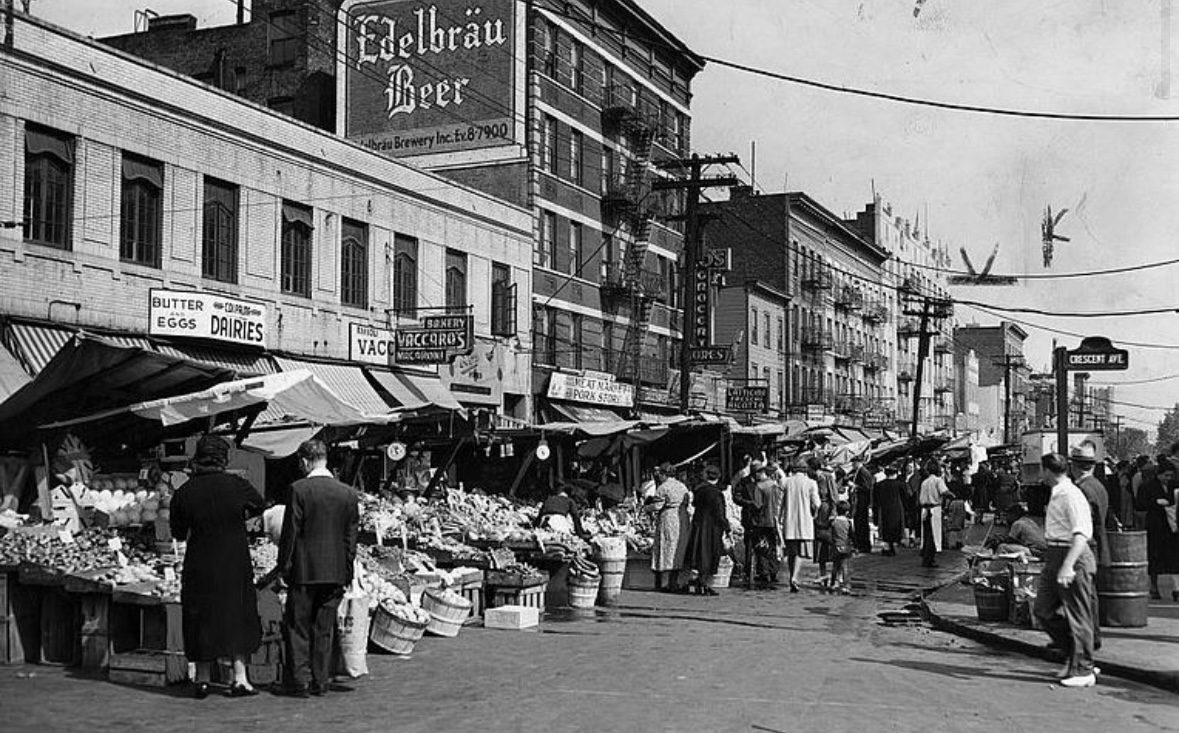
One such market was the Arthur Avenue Retail Market, which became the true heart of the Italian neighborhood of Belmont. In many advertisements and articles of that era, the Belmont area was affectionately called “the Italian colony in America,” with Arthur Avenue at its very core. Life here was vibrant: the aromas of fresh pasta, basil, and roasted meats mingled with the voices of vendors and the laughter of local residents. The street was a place for meetings, commerce, socializing, and celebrations.
The Arthur Avenue Retail Market opened on October 29, 1940. It housed about 117 to 120 stalls where fresh meat, fish, vegetables, delicacies, and other treats were sold, all evoking the area’s Italian heritage. The new market became an official home for pushcarts and their owners. Vendors could rent a kiosk for a moderate fee, allowing them to continue their trade in better conditions and with greater comfort for shoppers.
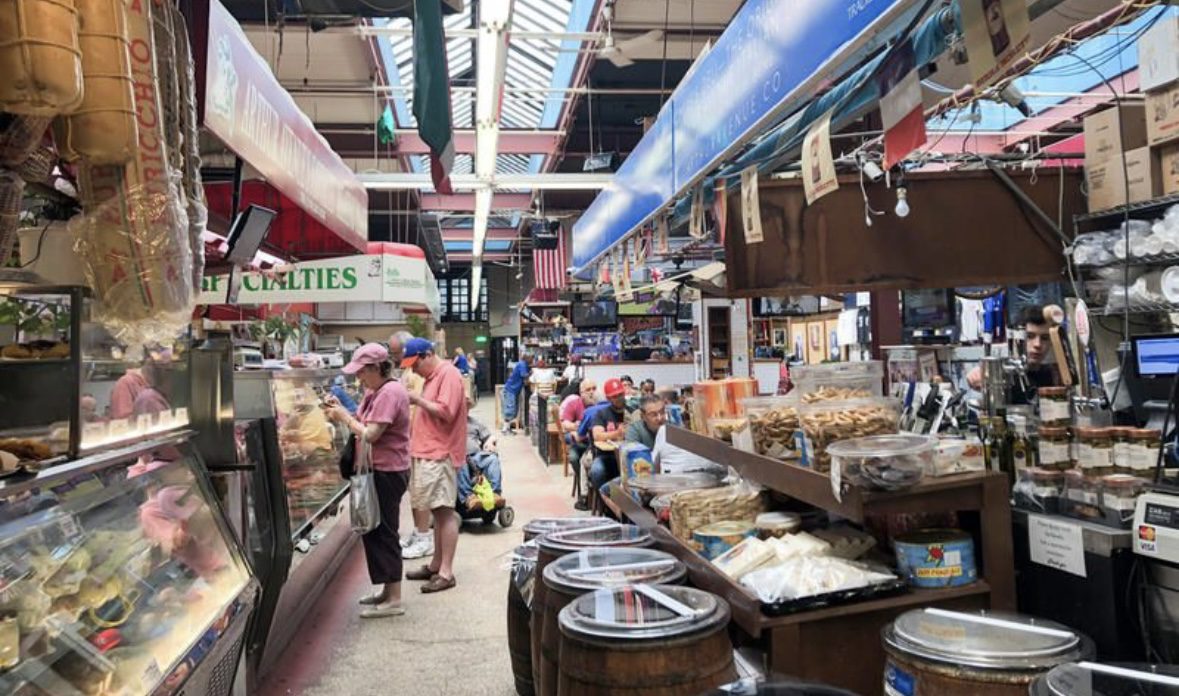
Arthur Avenue Retail Market faced a tough journey. In the 1960s and 1970s, it experienced difficult times, coinciding with the general decline of the Bronx. However, by the 1980s, the vendors united to form a cooperative. They jointly undertook interior and exterior renovations, revitalizing the space and transforming it into a modern gastronomic hub with a warm, family atmosphere.
Little Italy in the Bronx
Today, the famous Arthur Avenue in the Bronx remains the soul of Italian-American New York. This charming street, located near the Fordham University campus, draws not only tourists but also native New Yorkers seeking an authentic Italian atmosphere. Unlike the more commercialized Manhattan, here you’ll find a preserved genuine spirit, cherished traditions, time-honored recipes, and a family-oriented approach to business.
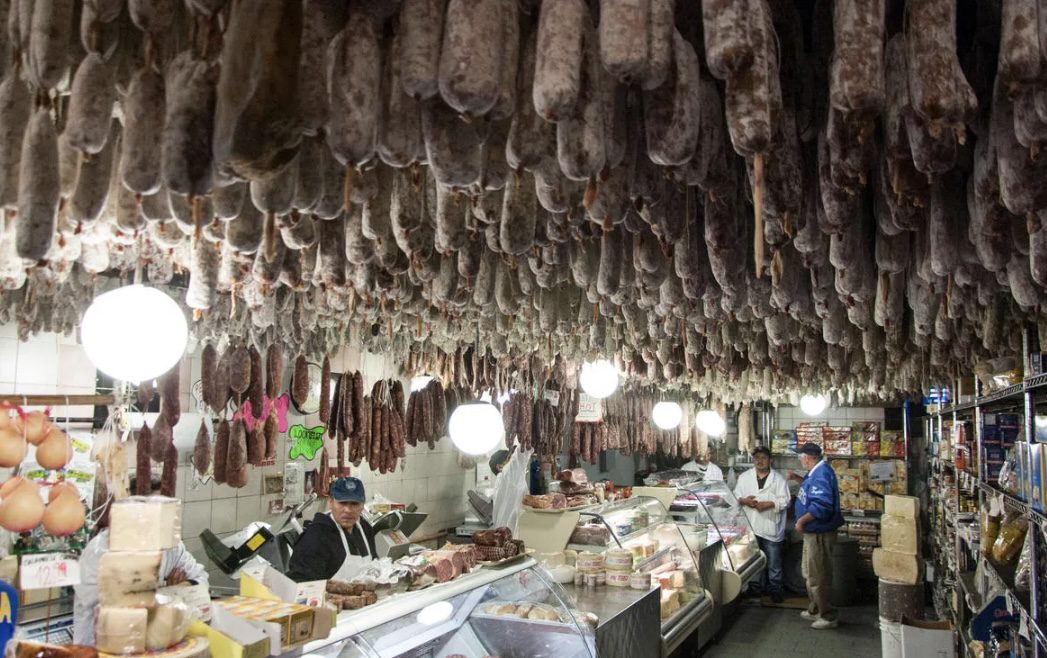
Today, Arthur Avenue Retail Market is a blend of classic and contemporary. Within the market, over a dozen specialized shops and gastronomic establishments operate, including the Bronx Beer Hall, a bar that has served craft beer and snacks from local producers since 2013. Other vibrant market participants include:
- The legendary Mike’s Deli, where visitors can watch mozzarella being made and savor their famous eggplant parmigiana, which gained fame on Food Network.
- Peter’s Meat Market, offering a wide selection of meats and sausages.
- Felix’s Custom T-Shirts and Alterations – a workshop for custom t-shirts and minor clothing repairs.
- Funici A’Pizza – authentic Neapolitan pizza.
- O’CCAFFE – aromatic coffee and desserts.
- La Casa Grande Cigars – a shop where cigars are made on-site.
- Enzo’s of Arthur Avenue on the Go – a street version of the renowned Enzo’s restaurant.
One of the new vendors you can find at Arthur Avenue Retail Market is DUA Market. This women-owned shop specializes in Balkan and Italian cuisine products. It’s a great example of how the market is opening up to new cultures while maintaining its Italian foundation.
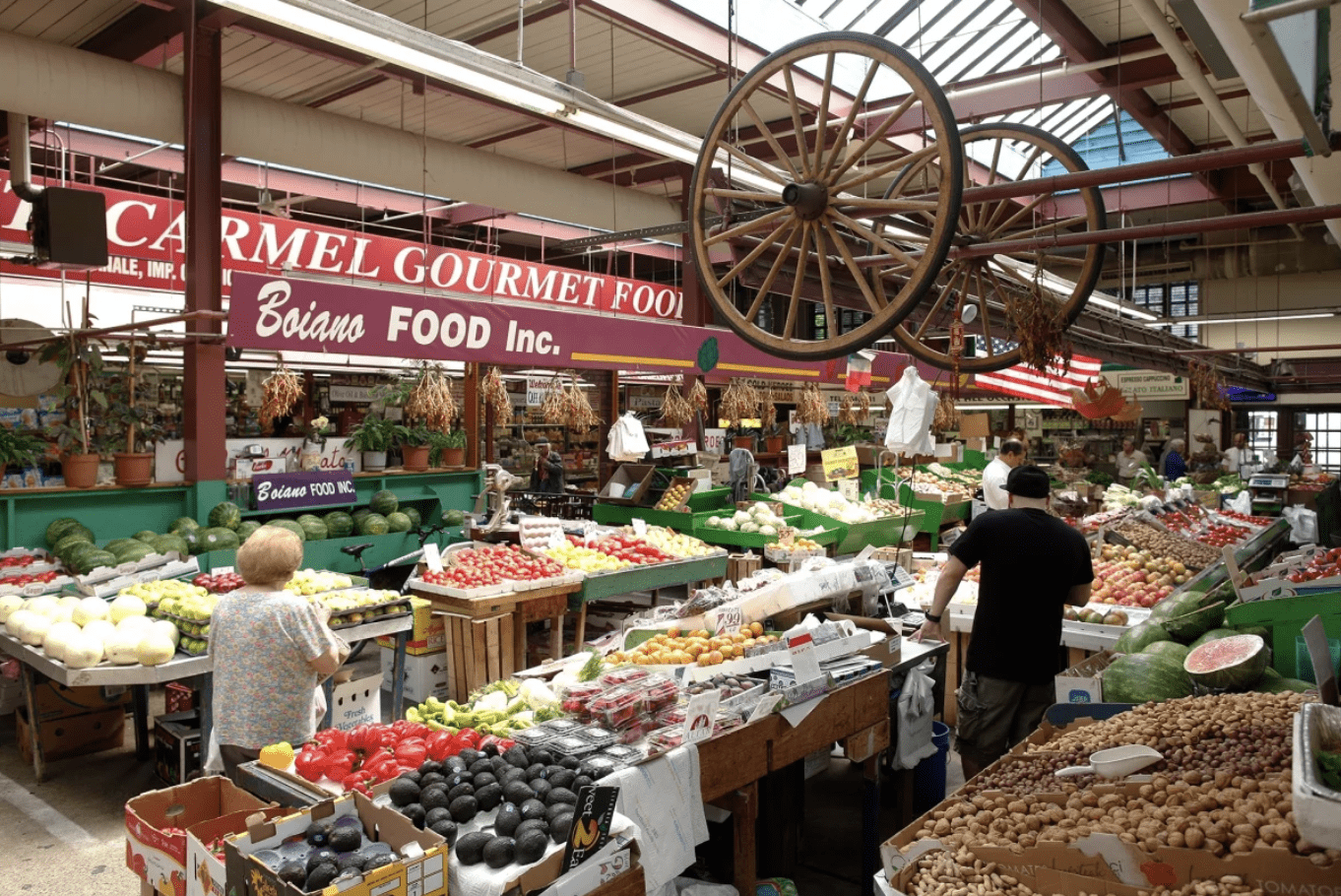
Arthur Avenue thrives not just on commerce, but on culture too. Street fairs and tastings are regularly held here, and the loudest celebration is Ferragosto – an Italian harvest and summer festival that brings the entire community together each year.
Arthur Avenue in Music, Film, and Television
Arthur Avenue in the Bronx is more than just a market or a street lined with restaurants. It’s a place that became the cradle of a rich cultural heritage, a source of inspiration for musicians, directors, and artists, and a true symbol of Italian-American identity. Here are a few compelling facts that showcase how multifaceted this legendary street is.
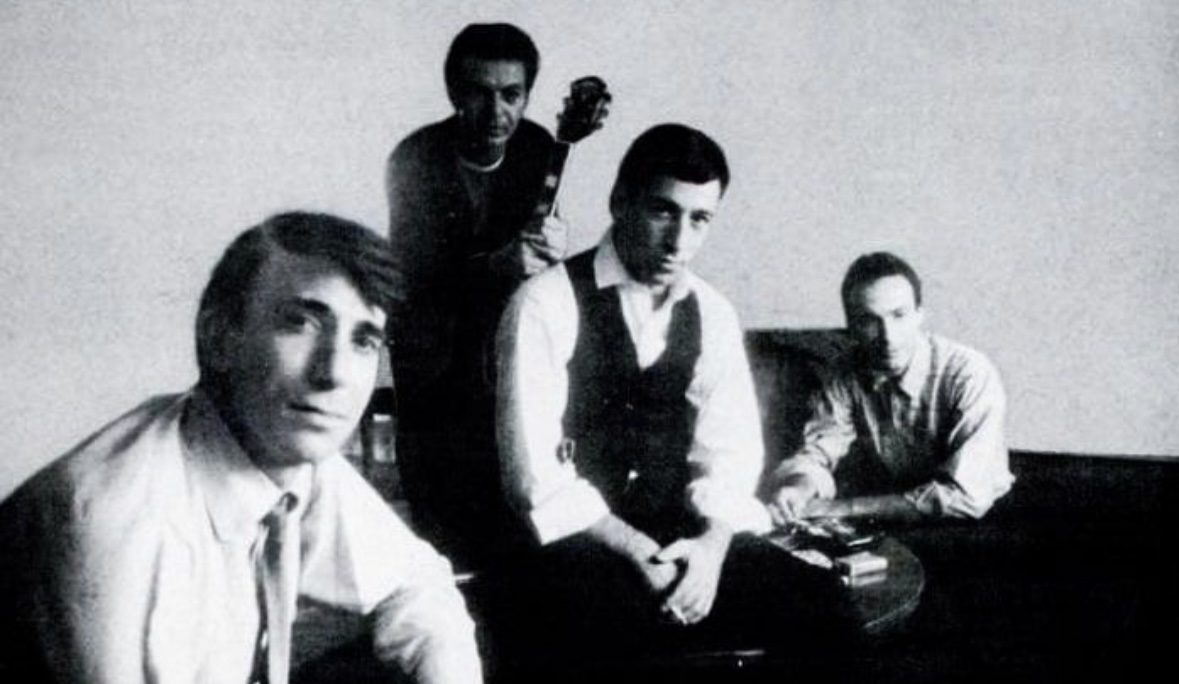
- Dion and the Belmonts – From the Musical Heart of Arthur Avenue.
In the 1950s, right here, among the blocks of Little Italy, the group Dion and the Belmonts was born. The guys took their name from neighboring Belmont Avenue, and their journey began on Arthur Avenue, where it all started. They became the first Italian-Americans to achieve national recognition in the doo-wop genre. Their debut hit “I Wonder Why” (1958) quickly soared to the top of the charts, followed by “A Teenager in Love” and “Where or When.” The group’s vocalist, Dion DiMucci, later launched a successful solo career with hits like “Runaround Sue” and “The Wanderer.” In 1989, he was inducted into the Rock and Roll Hall of Fame.
- “Marty” and “A Bronx Tale” – Films with the Soul of Arthur Avenue.
The street became a filming location for the cinema classic “Marty” (1955), which won four Academy Awards. The main character works at the Arthur Avenue meat market. This film so deeply captured the spirit of the Bronx at that time that it was included in the U.S. National Film Registry in 1994. Another film, “A Bronx Tale,” featuring Robert De Niro and Chazz Palminteri, also honors the culture of the area. Not far from Arthur Avenue, you can still see a mural that references this iconic movie.
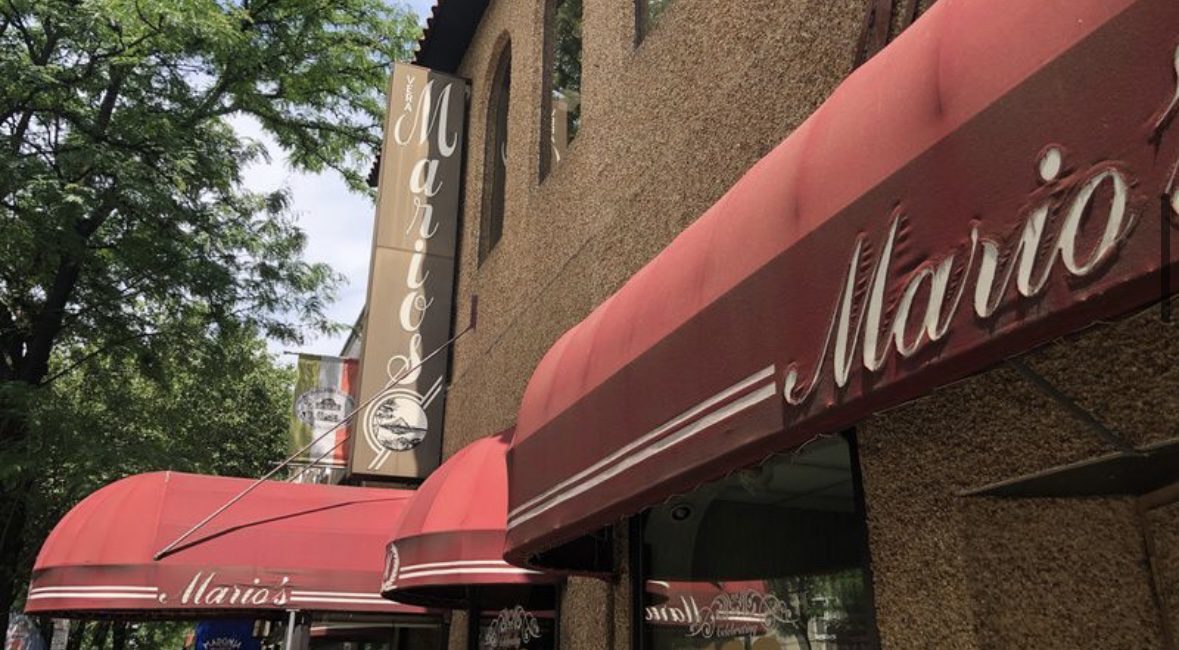
- Mario’s Restaurant – The Taste of Italian Classicism in “The Sopranos.”
In 2003, the legendary Mario’s Restaurant became a filming location for “The Sopranos” – a series widely considered one of the greatest in television history. The scene shot here brought a new wave of fame to the restaurant, which has been in business since 1919.
- Reality Show “Mama’s Boys of the Bronx” – An Attempt to Show Arthur Avenue to the World.
In 2012, Arthur Avenue found itself in the spotlight of television viewers thanks to the show “Mama’s Boys of the Bronx,” which aired on TLC. Although the show lasted only one season, it increased the neighborhood’s recognition beyond New York City.
- Lady Gaga – From Pop Icon to Street Girl from Arthur Avenue.
In the music video for her song “Eh, Eh (Nothing Else I Can Say),” Lady Gaga showcased her Italian-American heritage by filming among the bakeries and street scenes of Arthur Avenue. The video is a visual tribute to the old world, female strength, and the authentic New York that inspires her.
In 2016, the American Planning Association included Arthur Avenue on its list of “Great Streets of America,”recognizing it as the cultural heart of the Italian-American community, a center of gastronomy, and an example of preserving historical identity within an urban space.
Arthur Avenue is more than just a street with a history. It’s a stage where, for over a century, music has been played, films have been shot, the best pasta has been made, and the spirit of community has been preserved. It’s a place where old and new merge in the unique rhythm of the Bronx.