

Howard Lorber is a shining example of an entrepreneur who grew up in the Bronx, earned his education at a public university, and rose to lead several national companies. His story exemplifies strategic thinking, the ability to spot potential in brands, and the skill to build businesses around those insights. Learn more about Howard Lorber’s life and career on bronx1.one.
The Promising Underachiever
Howard Lorber was born into a Jewish family in the Bronx. His parents, Charles and Celia, raised their son in an atmosphere of hard work, love, and respect. In 1955, when Howard was about five years old, the family moved from the Bronx to Paramus, New Jersey, a typical American suburb of that era, characterized by cornfields and a slow pace of life.
Despite his intellectual heritage—his mother was a true prodigy, graduating from high school at 15 and Hunter College at 18—Howard himself was at the bottom of his class in school.
“She was a genius,” Lorber recalled with a smile. “And I was her polar opposite. She used to joke that I was the only kid from New Jersey who didn’t get into Fairleigh Dickinson.”
Ultimately, the only college that opened its doors to him was CW Post on Long Island, one of Long Island University’s campuses. It was there that Lorber began to discover his entrepreneurial flair and joined the Alpha Epsilon Pi fraternity. He not only earned his degree and became a trustee of the university, but one of its buildings, Lorber Hall, was even named in his honor. The story of a boy who barely got into college ended with his name becoming a symbol of success and generosity on that very campus.
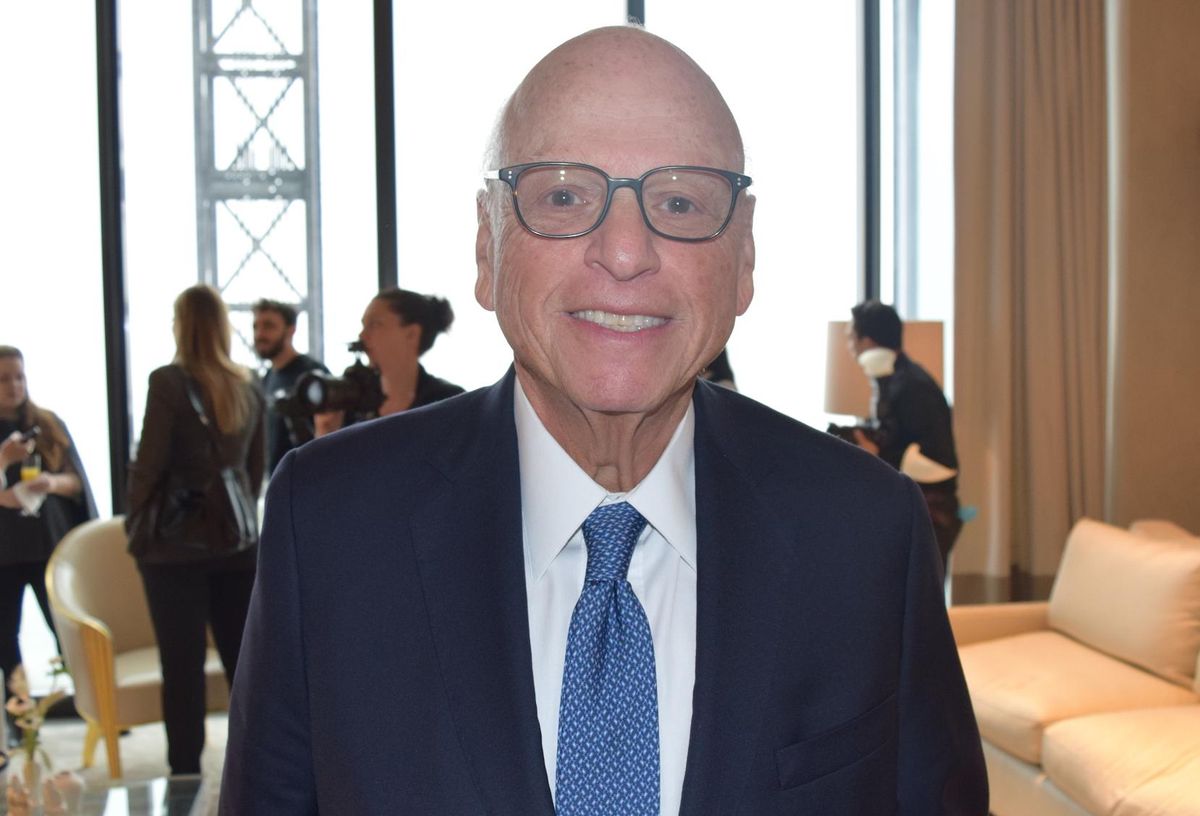
Howard got his first job at just 13, washing dishes and helping in the kitchen of a small pizzeria on Ridgewood Avenue. He later worked at another pizzeria on Route 17, and then at an IHOP restaurant, also on Route 17. But a special place in his heart remained forever with the Suburban Diner, a quintessential American eatery. This early experience played a crucial role in Lorber’s successful management of the Nathan’s Famous chain.
The Hot Dog King
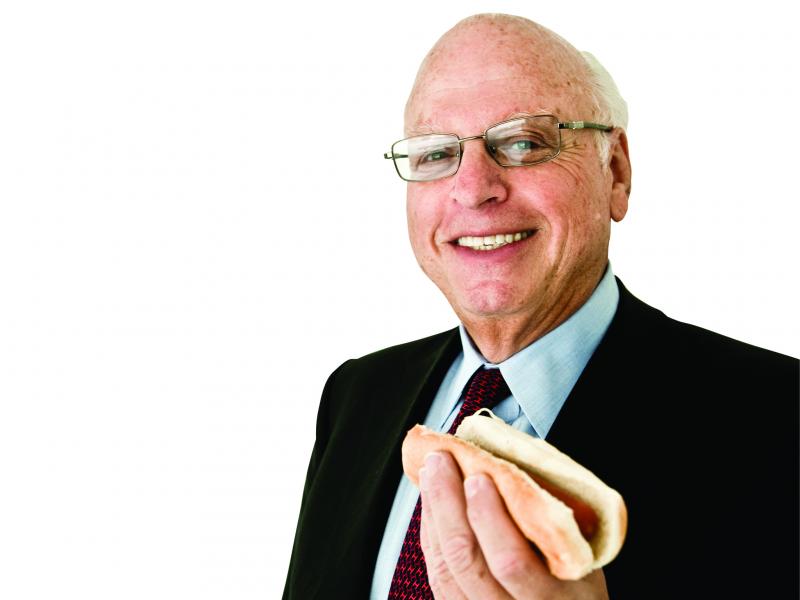
Nathan’s Famous isn’t just a fast-food chain; it’s an American legend, a symbol of hot dog culture. While the brand had existed since the early 20th century, its new era began when Howard Lorber, the company’s Executive Chairman, took the helm.
When Lorber looked at Nathan’s, he immediately recognized a familiar scenario: a strong brand with a recognizable name but weak management.
“I always felt that companies with big names are virtually indestructible. Even when they’re poorly managed, the brand pulls them through the deepest crises. Nathan’s was exactly that case,” he recalled.
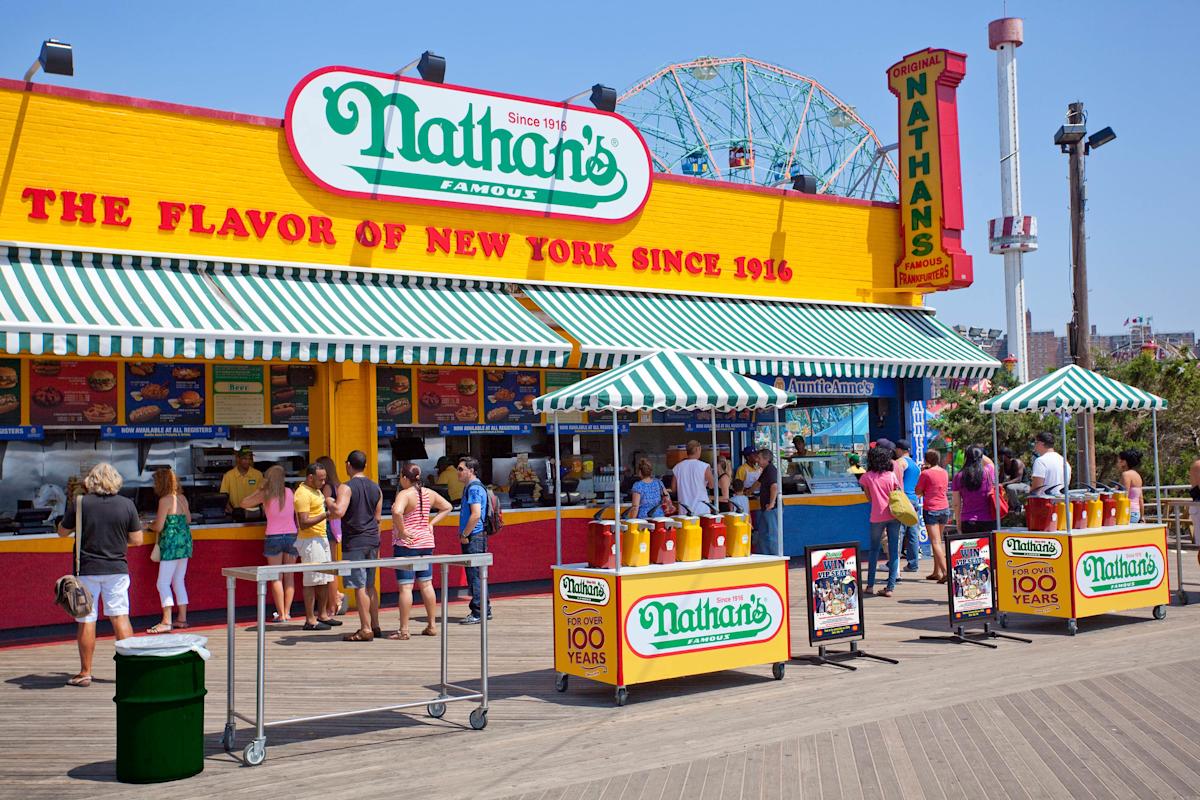
Although the company’s revival was initially slower than Lorber had hoped, it ultimately became one of his most successful investments. The initial plan was simple: buy the company, focus on franchising, then take it public again and invest in opening new locations. But in practice, things proved more complex. New restaurants opened—and then closed. People simply didn’t view a hot dog as a full meal. For most, it was just a snack, not lunch or dinner. To avoid losing the investment, Lorber’s team began to explore other avenues for growth. They experimented by combining Nathan’s with other brands and opening larger formats, but these didn’t yield the expected results. That’s when Lorber turned his attention to the licensing business.
Initially, the company had a rather unprofitable agreement for selling its products in supermarkets. But over the years, as the brand solidified its position, Lorber managed to negotiate new licensing terms—significantly more favorable ones. It was then that Nathan’s Famous began its global expansion. Packaged hot dogs appeared in supermarkets, franchise locations opened outside the U.S., and partnerships were formed with stadiums and airports. Thanks to Lorber’s strategic thinking, Nathan’s Famous transformed from a local New York eatery into an international brand.
Building the Douglas Elliman Empire
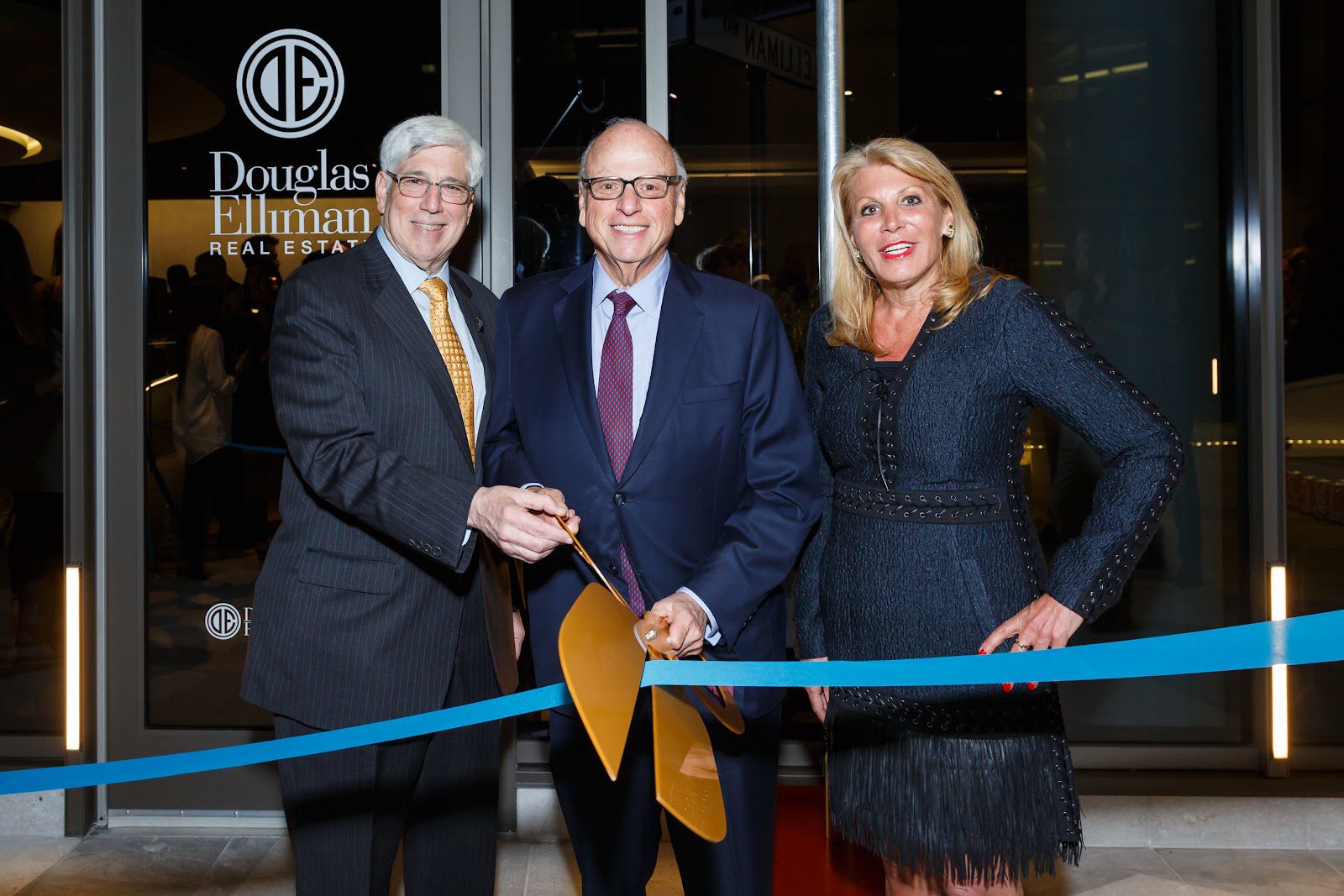
Douglas Elliman is a titan in the market for luxury apartments, homes, and condominiums, setting standards in elite markets like New York, South Florida, Los Angeles, and Boston. And one of the chief architects of this success is Howard Lorber, the company’s Chairman.
Thanks to Lorber, Douglas Elliman has become one of the most influential players in the U.S. He has guided the company through periods of boom and bust because, as he says, “real estate is a cyclical business.” Amidst the technological transformation, many predicted the end of the traditional brokerage business, but Lorber remains skeptical.
“Yes, technology is changing the game. But it’s happening slower than it seems. And major markets like New York or Miami don’t succumb to automation so easily. Everything here hinges on trust, a personalized approach, understanding neighborhoods, and client nuances. A broker’s job here is indispensable.”
Beyond analytics, strategic models, and market forecasts, Lorber’s business is built on people. He believes that the primary clients aren’t buyers or even developers, but brokers. They are the heart of the company. Competition, of course, exists, notably from Corcoran. But Lorber is convinced that his entrepreneurial style gives him an edge. Corcoran is a large corporate structure. Douglas Elliman is a large company that operates like a family business.
One such example is an office leasing situation. While Corcoran was taking a long time to agree on terms with a landlord, Lorber simply signed the deal in a day—and won. Regarding international expansion, Lorber is skeptical of glamorous but questionable ideas.
“Dubai? No, thank you. Everything there is too flashy, risky, and honestly, how do you get home to your island after dinner when it’s already dark?”
The core of his philosophy is simple: flexibility, an entrepreneurial approach, human connections, and a clear understanding of real demand. This is what allows Douglas Elliman to remain a leader, despite crises, technological challenges, or market seasonality.
Investor and Philanthropist
Howard Lorber is the President and CEO of Vector Group Ltd., a holding company traded on the New York Stock Exchange. Through it, he indirectly oversees Liggett Group, Vector Tobacco, New Valley LLC, and Douglas Elliman. In 2010, he was elected to the board of directors of Borders Group. Additionally, he was associated with United Capital Corp, a company investing in real estate and manufacturing.
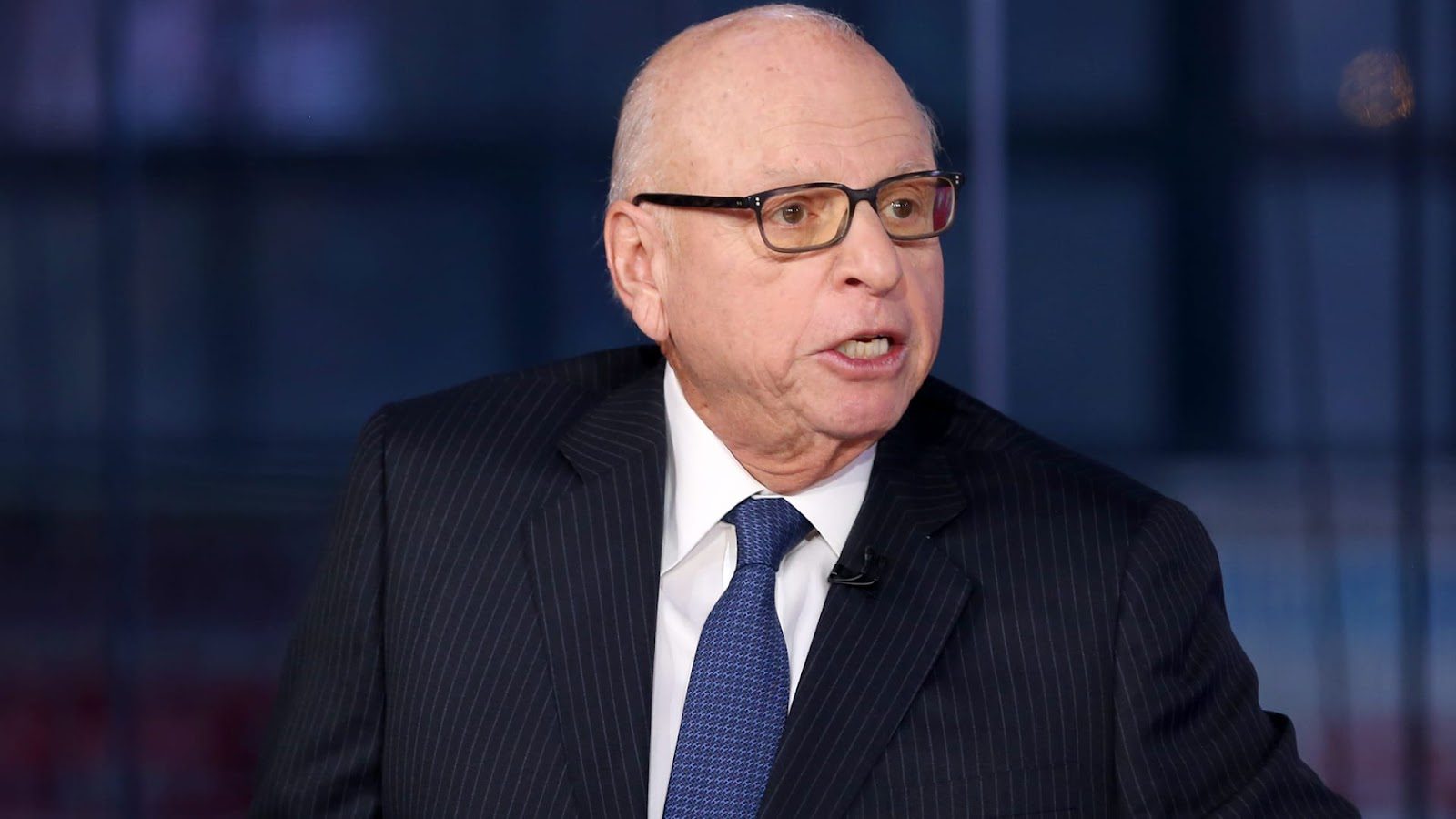
In the world of big business, Lorber maintains connections with the most influential figures, including Donald Trump. Their collaboration once helped sell the most luxurious private home in the U.S., which Forbes called the country’s most expensive. This refers to Abe Gosman’s former residence in Palm Beach—an estate with 15 bedrooms, three pools, a Venetian-style solarium, and its own 475-foot coastline on the famed Billionaire’s Row. After renovation, Trump listed it for sale at $125 million.
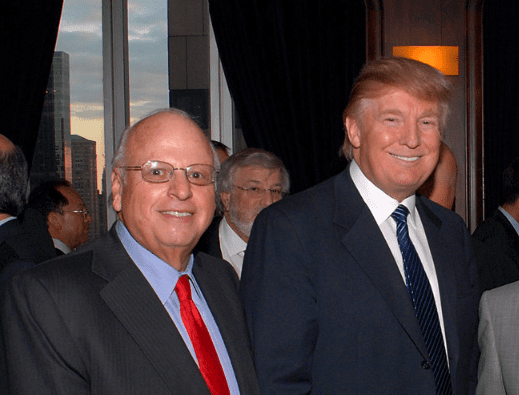
Philanthropy also holds a significant place in Lorber’s life. He chairs the board of the Southampton Hospital Foundation, co-chairs the Silver Shield Foundation, which helps children of fallen police officers and firefighters with education expenses, serves on the board of the Garden of Dreams Foundation, and is a trustee of the Mount Sinai Medical Center in Miami. And this is just part of his philanthropic activity.
Other Facets of His Life
Howard Lorber isn’t just a man of facts and figures. He’s also appeared on television—in the “Final Three” episode of the popular show The Apprentice in 2005, where he judged finalists alongside executives from Domino’s, QVC, and Burger King.
However, the true cornerstone of his life is his family. Married to his college sweetheart, he is the father of two sons who followed in their father’s footsteps. His elder son, Michael, is a partner and executive at Boston Realty Advisors, while Bryan is co-owner of Blue Star Jets, a company specializing in private aviation.
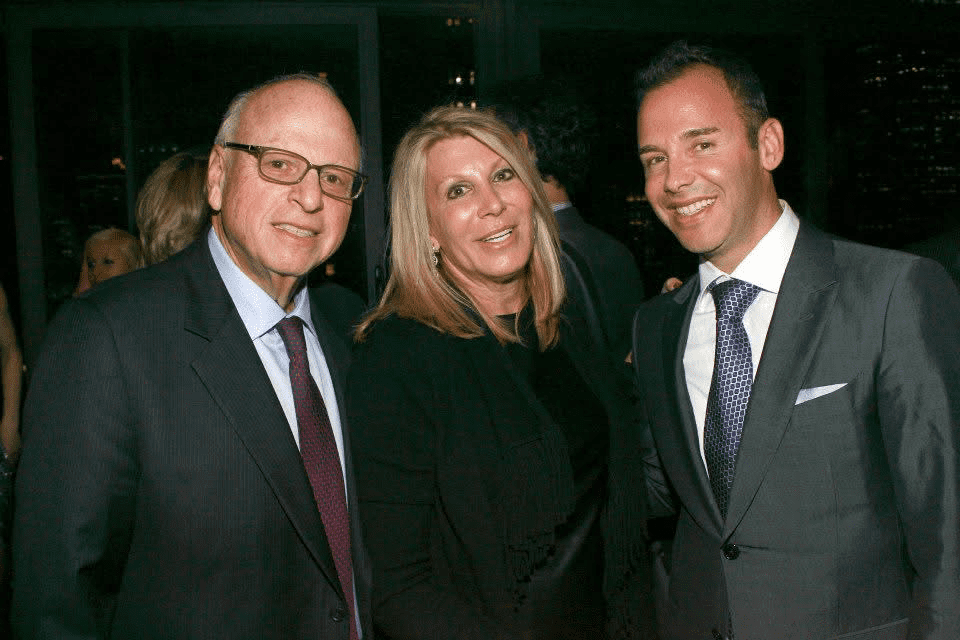
Despite his hectic schedule, Lorber always finds time for enjoyment. He openly admits:
“I love bird hunting and golf, though, to be honest, I haven’t mastered either of them perfectly.”
Another passion is boats. Lorber loves them no less than major real estate transactions. But the deepest and most emotional calling in his life is his involvement in preserving memory. In 2017, he was appointed by the President to chair the United States Holocaust Memorial Museum. This role went far beyond an honorary position; it touched his very core. His grandparents were Jews from Thessaloniki, a city in Greece, who immigrated to the U.S. in the early 20th century. This saved them, but, as Lorber recalls, “they lost everyone they knew.” Seventy-five percent of Thessaloniki’s Jews were annihilated in Auschwitz-Birkenau.
“This became a personal matter for me,” he says. “Imagine: wiping out 90% of a community just because of their religion. Unthinkable. I just couldn’t not act.”
Lorber believes it’s his duty to do everything possible to ensure these tragedies are never forgotten. Today, Howard Lorber is more than just a brand in the business world. He is a voice of remembrance, an example of leadership, and proof that success is not just about wealth, but also about the scale of the impact you leave behind.