

In the Melrose neighborhood of the Bronx lies a truly authentic boutique hotel. Its unique charm is rooted in its location, namely, a refined, historic building that once served as a genuine theater. The hotel is at 436 East 149th Street. Once the venue for legendary Broadway performances and a gathering place for the city’s elite, today it offers visitors a chance to bask in the ambiance of that bygone era. This article delves into the origins of the Bronx Opera House and explores what remains as a testament to its theatrical past. Read more at bronx1.one.
The theater’s foundation
In 1911, prominent Broadway figures Sam Harris and George M. Cohan decided to expand their theater network. At the time, they already owned several theaters in Manhattan and envisioned establishing a “rehearsal theater” in the Bronx. Harris and Cohan wanted a dedicated space to preview all premieres. The productions that garnered the best audience reception would then move to Broadway’s old Grand Opera House on Eighth Avenue.
The challenge lay in selecting a site for the future theater. Two locations were under consideration, 150 Westchester Avenue and 163 Prospect Avenue. Harris and Cohan chose the first site and signed a construction contract with the Morgenthau-Hudson company. However, they soon discovered that competitors were hot on their heels. The Shuberts announced plans to build their own theater in the Bronx, right in the same area. It was clear that the neighborhood could not sustain two theaters. If neither side backed down, both risked bankruptcy in a fierce competition for audience loyalty.
In Manhattan, these two theatrical powerhouses were already locked in a bitter rivalry, as the Shuberts’ Opera House on 23rd Avenue stood near the Grand Opera House on Eighth Avenue. Harris and Cohan attempted to negotiate with their rivals, but to no avail. Unwilling to engage in another exhausting battle, they decided to abandon their Westchester Avenue project.
Yet, the idea of a Bronx theater didn’t fade. Harris and Cohan eventually partnered with George Keister, one of the city’s leading theater architects, and constructed their theater on 149th Avenue. The project’s costs totaled $250,000.
Architecture and design of the theater
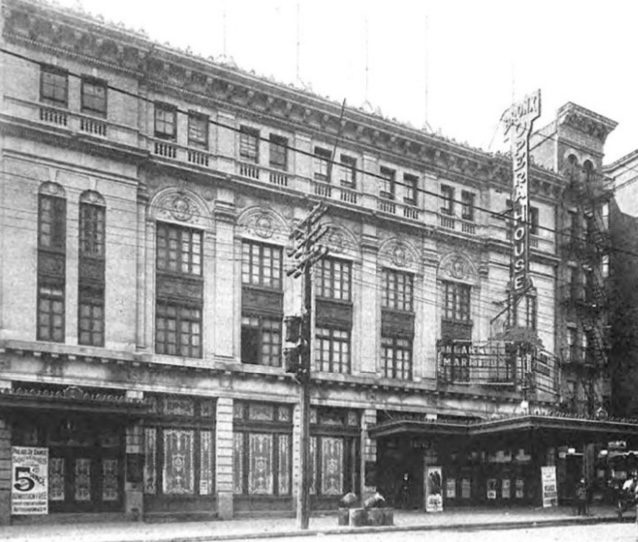
Despite the fact that more than a century has passed, the former theater building looks perfect for its age. The facade, almost 30 meters wide, has been preserved to this day.
The theater’s auditorium once seated 1,892 patrons: 799 on the orchestra level, 537 in the balcony, 487 in the gallery and 78 in private boxes. The venue also featured 12 dressing rooms for performers.
The stage, designed for Broadway productions, was fully equipped, measuring 39 feet deep and 60 feet high. Unlike many American theaters converted for cinema, the Bronx theater retained its original stage dimensions.
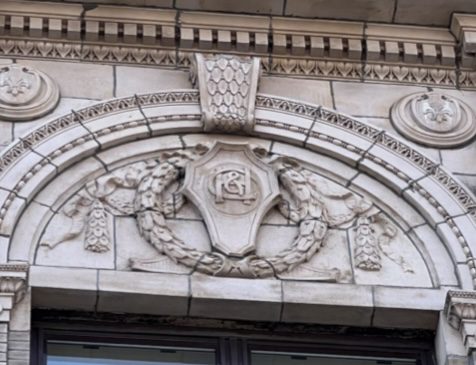
The upper balcony area and seating have remained unchanged since those times, though they are now closed to the public. Frescoes, private boxes and even the chandelier continue to adorn the theater.
Between acts, an automatic curtain embellished with fine French silk and golden braid would conceal the stage. The interior featured a color palette combining ivory tones with accents of green and gold. Much of the décor reflected Italian Renaissance influences. The ceiling showcased grand frescoes, and rich emerald carpets lined the hallways and foyers.
A particular marvel was the lighting, a massive central chandelier five feet in diameter, complemented by numerous concealed lights throughout the ceiling. All this created an extraordinary visual effect.
Ventilation was also ingeniously designed. A system of pipes was embedded in the walls and foundation. The pipes were connected to a large rooftop fan, which directed cool air downward beneath the concrete floor. From there, fresh air flowed into the auditorium through small filtered openings under each seat. Thus, a consistently pleasant temperature was ensured.
The Premiere
The theater officially opened on August 30, 1913. For its inaugural performance, Eugene Walter’s play Fine Feathers, produced by Frazee, was chosen.
The event was a landmark for the Bronx. It marked the borough’s very own Broadway debut. The crowd was exceptional. Cars lined up one after another, and locals eager to witness the spectacle began gathering well before the performance. Police had to intervene to clear paths and ensure access to the entrance.
In attendance were George Cohan, Sam Harris, Harry Frazee and a delegation from the New York Friars Club. The opening remarks were delivered by Max Figman, the play’s lead actor, and Assembly Speaker Louis D. Gibbs.
The premiere was a resounding success, with the actors taking six curtain calls.
Read the article about the Bronx High School of Music here.
Theatrical Life
A week after the grand opening, Robin Hood graced the stage. This was followed by Broadway Jones, a comedy written, directed and produced by George Cohan. This marked his farewell to acting. It was Cohan’s last time as an actor, and his parents performed alongside him.
Subsequent productions included In Old Dublin, debuting Fiske O’Hara, and the drama The Prodigal Judge. Each of these productions was a success, the hall was packed completely.
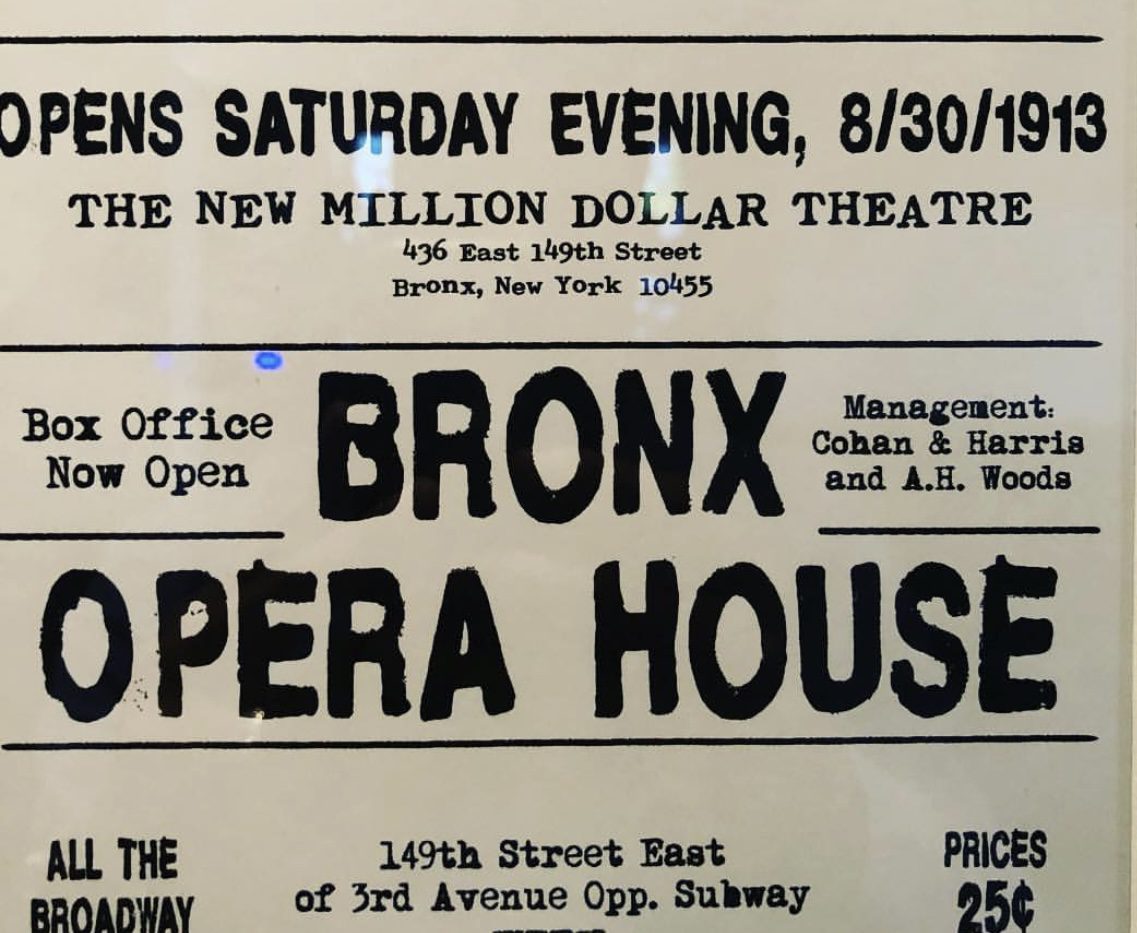
Evening shows began at 8:15 PM, while matinees started at 2:15 PM. Ticket prices ranged from 25 cents to $1. According to Variety, the Bronx Opera generated weekly revenues of $9,000 to $10,000 in 1914. This was despite the onset of World War I and a decline in demand for entertainment. In January 1915, it was deemed New York’s most profitable theater, with an average weekly income of $8,000.
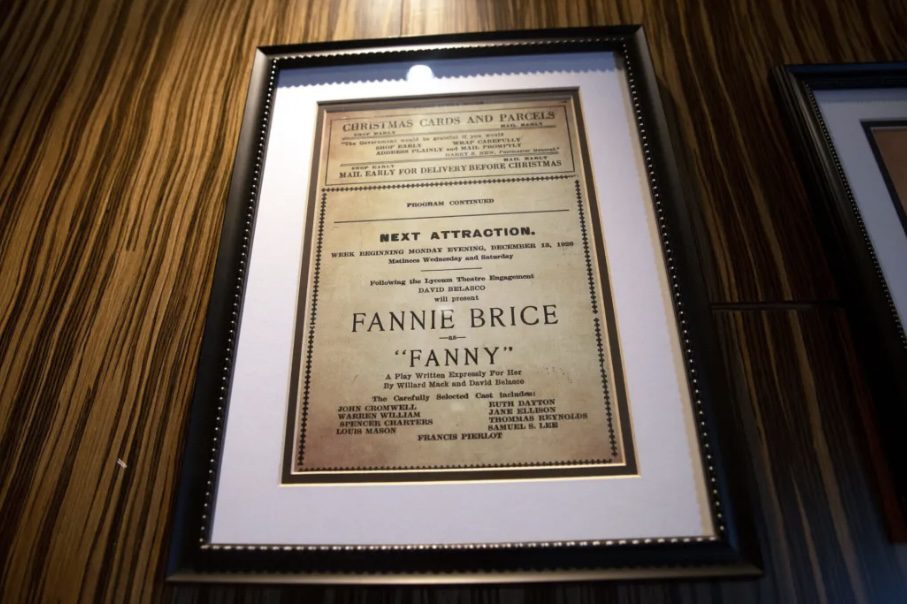
In December 1915, the theater hosted another premiere, this time a cinematic one. It was the silent documentary, On the Belgian Battlefield. Each new season of the theater delighted audiences with new plays, vaudeville and films. By the way, the Bronx Opera refrained from raising ticket prices for the longest time of all the other theaters.
Cinema, Club and Church
By the 1930s, film screenings became more prevalent than live performances. In the 1940s, the Bronx Opera transitioned fully into a movie theater. The upper balcony was closed. The name was changed to Bronx Theatre.
In 1943, the theater lost its license following an incident involving a 17-year-old employee.
From the 1950s to the 1970s, the building hosted a Latin music club, operating under various names. These were Bronx Casino, Club Caravana and El Cerromar.
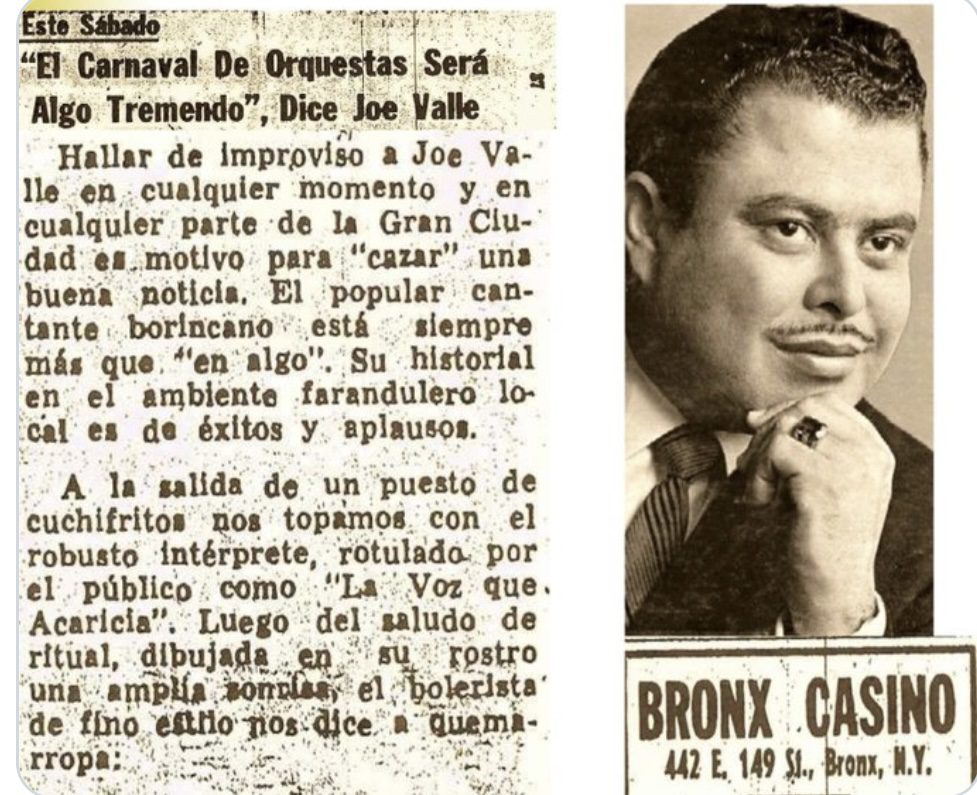
In the 80s, the format changed again dramatically. A Spanish evangelical church existed on 149 Avenue in the walls of the former theater.
A New Chapter as a Popular Hotel
The church vacated the premises in 2010. Soon after, a new project was launched, transforming part of the building into a boutique hotel named the Opera House Hotel. The latter was spearheaded by Jay Domb. The project aimed to breathe new life into the forgotten theater. There, Harry Houdini and the Marx Brothers began their careers. Domb envisioned the hotel as a museum-like space with reproductions and artifacts from the theater’s storied past. His goal was to allow visitors to immerse themselves in the unique atmosphere of yesteryear and feel the energy of genuine Broadway.
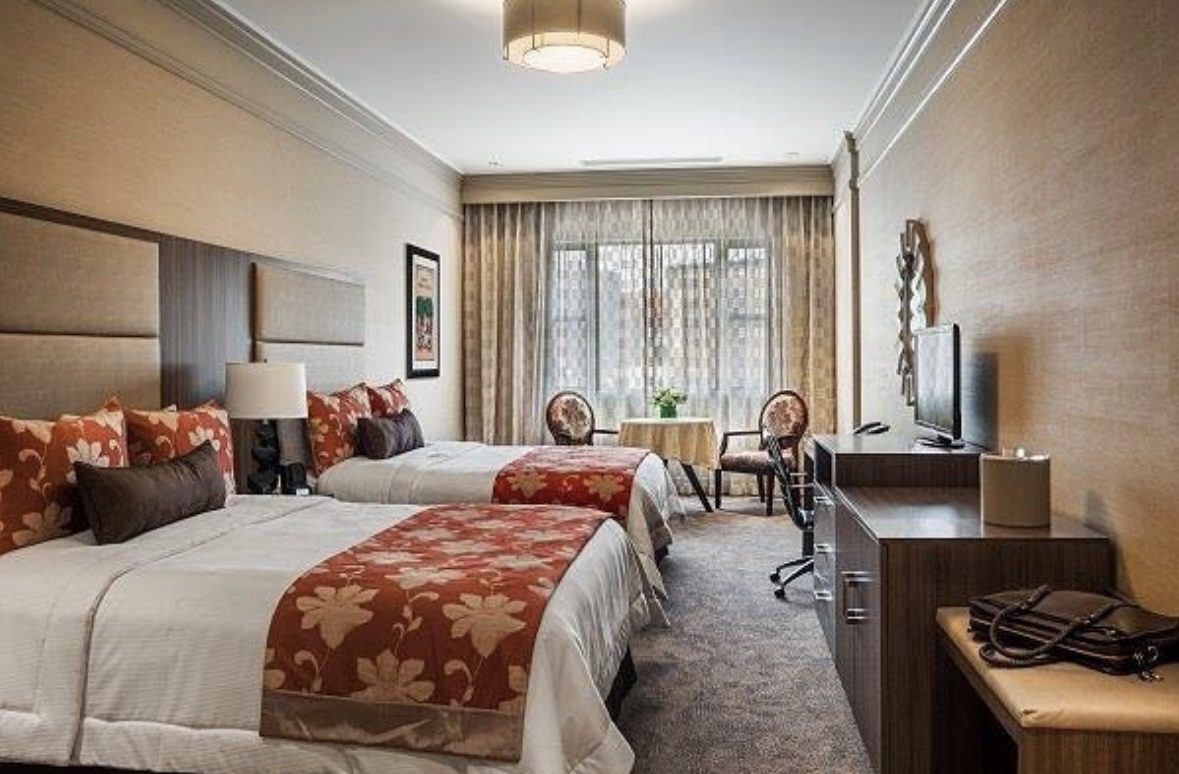
He succeeded. The hotel opened in August 2013 and became one of eight properties managed by the Empire Hotel Group. Today, it welcomes hundreds of guests and boasts numerous positive reviews across various platforms.
On June 13, 2023, the former Bronx Opera House building was designated a historic landmark.
Read more about the development of theatrical art in the Bronx via the link.