

The Bronx has seldom branded itself as a commerce-centric borough of New York City. Manhattan and Brooklyn surpass it considerably in the progression of nearly every business dimension. However, to label the Bronx as a region of economic stagnation would be a misjudgment. This article presents a few illustrative points to view the Bronx not as a middling urban enclave of crime but as an auspicious and promising hub for entrepreneurial ventures. Further details at bronx1.one.
Economic revival of the Bronx in the late 20th century
During the 1970s, the entire American economy endured a conspicuous downturn. The Bronx was no exception. Declining industries and escalating unemployment, as interlinked factors, threw the borough into profound economic distress. Yet, as the 1980s approached, significant advancements in the economic arena began reshaping the business landscape. Among the pivotal elements were:
- Demographic Shifts: An expanding middle class spurred demand for diverse services (education, entertainment and self-care). Rising immigration rates enriched the labor market and catalyzed small enterprises tailored to ethnic communities.
- Government Initiatives: A handful of state-sponsored programs emerged to bolster small businesses.
- Infrastructure Investments: Upgrades in transport networks and the expansion of residential and commercial real estate enticed investors.
- Proliferation of Educational and Healthcare Facilities: This stimulated an influx of professionals and patrons in these domains.
- Enhanced Tourism Appeal: Restoration of landmarks, construction of attractions and opening of restaurants and hotels drew visitors to the Bronx.
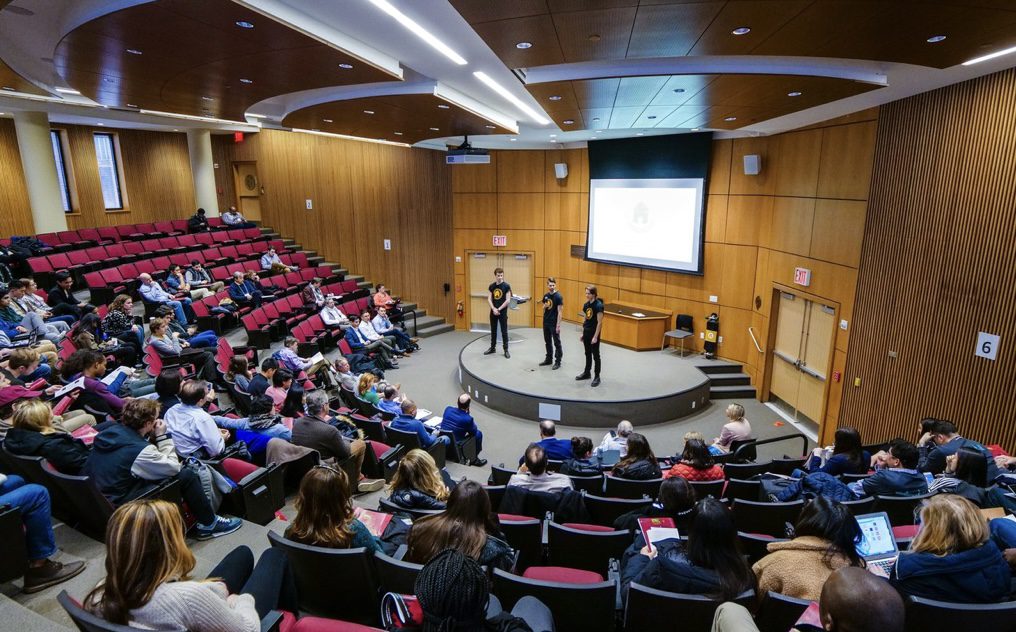
As the new century dawned, the Bronx entered with a more assured economic standing and untapped potential for further growth.
Read the article about a new cooperative residential complex in the Bronx.
The Bronx as the cradle of startups and prominent entrepreneurs
While it may not rival Silicon Valley’s scale, the Bronx boasts two thriving business incubators, Sunshine Bronx and The Concourse Group.

- Sunshine Bronx: This inaugural large-scale coworking space, subsidized by the local budget. It accommodates up to 400 individuals. It opened in 2012 in the historic Banknote Building. It features modern amenities, conference rooms, technical resources, relaxation zones, multimedia systems, security and fully equipped workspaces.
- The Concourse Group: This enterprise aids budding entrepreneurs in launching innovative ventures. The Concourse Group has intensive weekend training and post-course networking with potential investors. It collaborates closely with Fordham Foundry in South Bronx. They support participants in establishing, launching and expanding their businesses within a shared ecosystem. For this purpose, all training materials are provided, and consultations are held on strategic planning and fundraising.
Read the article to find out where to get an IT education in the Bronx.
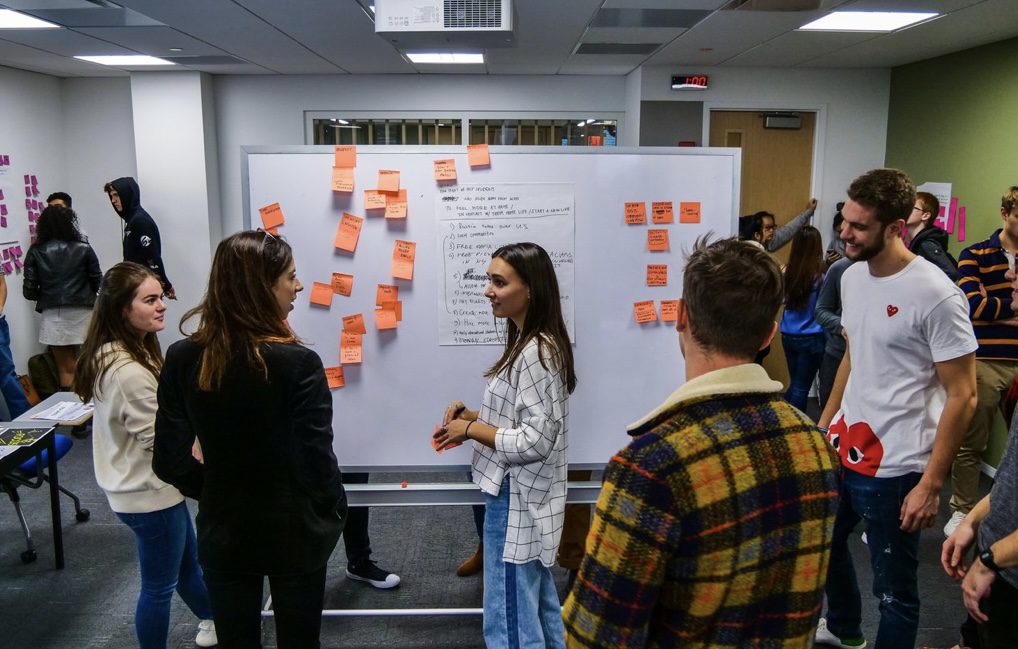
Many are likely familiar with the renowned fashion designers from the Bronx, Calvin Klein and Ralph Lauren. However, they are far from the only figures who began their journeys in this NYC borough and achieved remarkable business success. Among them are:
- Lloyd Blankfein, CEO of Goldman Sachs
- Millard Drexler, CEO of J.Crew and former CEO of The Gap
- Harry Helmsley, real estate tycoon
- Roger Hertog, co-publisher of The New Republic magazine
- Reuben and Rose Mattus, founders of Häagen-Dazs ice cream
- Sol Price, founder of Price Club and FedMart
- Mark Penn, CEO of the PR firm Burson-Marsteller
- Eli Broad, co-founder of Kaufman & Broad
- Collis Potter Huntington, railroad and shipbuilding magnate.
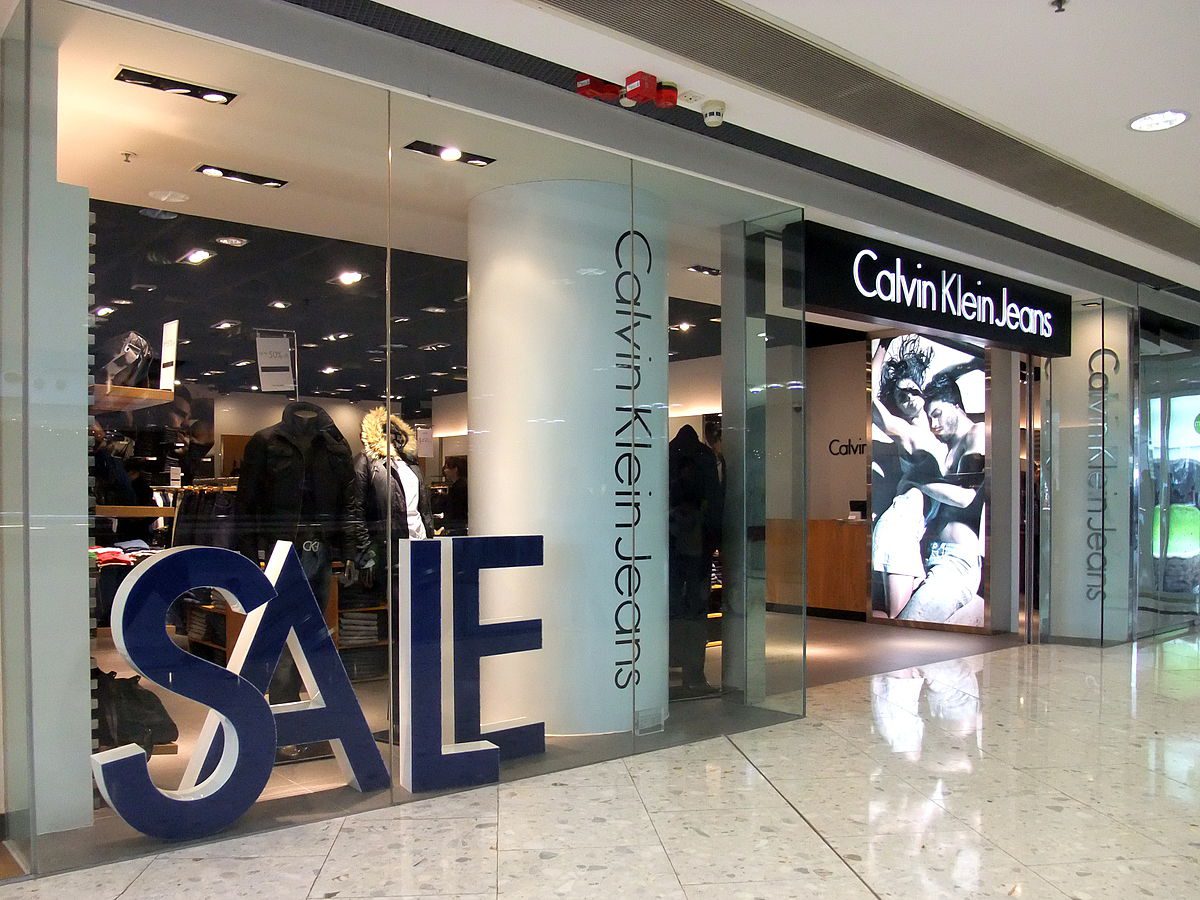
In general, the Bronx saw a significant surge in startups in the early twentieth century. In the first decade alone, the growth of new businesses amounted to 305%.
Recovery of Small Businesses Post-Pandemic
Small businesses have always played a big role in the South Bronx, because the neighborhood has always been unattractive to investors. So those who had minimal start-up capital and entrepreneurial talent tried to start their own business. That’s why the average number of employees in Bronx companies is only 4. In small shops, the owner generally holds several positions at once: consultant, salesperson, cleaner, loader, etc.
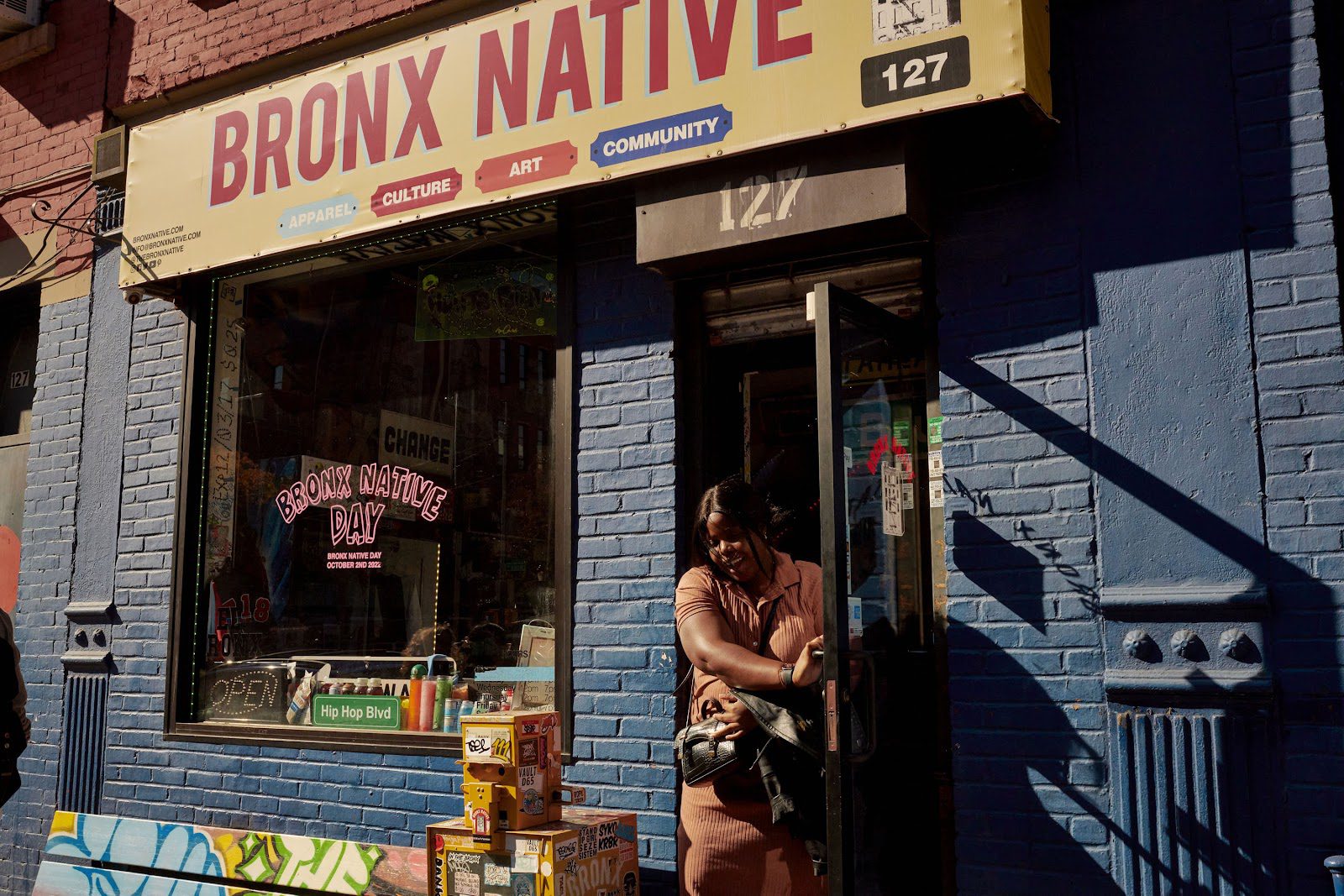
Indeed, the prolonged quarantine during the Covid pandemic has affected small businesses. In addition, the Bronx received the least support from the government in these difficult times. It got only 7% of the $25 billion in loans from the federal Paycheck Protection Program and 2.3% of city loans and grants. The legal and financial illiteracy of many small business owners in the Bronx also contributed to this poor performance. In addition, there is very little coordination and communication between government agencies, entrepreneurs and local community organizations.
Another problem that has become more widespread with the pandemic is crime. The number of robberies and burglaries increased by 63%. Quarantined kiosks and shops attracted criminals as easy prey.
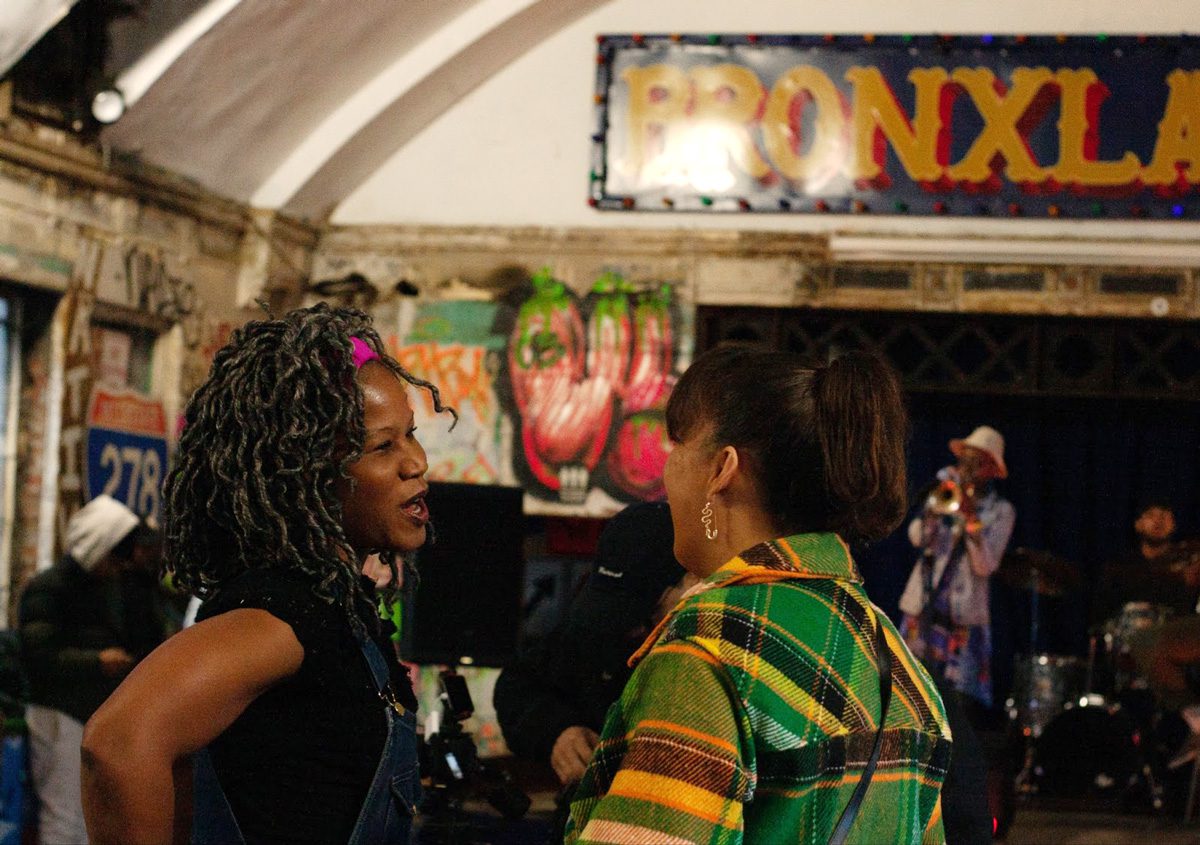
The Bronx Community Foundation, in collaboration with Assemblymember Amanda Septimo, even created a $1 million fund to purchase security equipment for bars and other small businesses. Most of the money was used to install street lighting in the surrounding area.
Small businesses in the Bronx suffered from Covid like everyone else: inflation, rising rents, a shortage of workers and the growth of e-commerce. The last point simply killed some businesses. During the quarantine, people became so accustomed to ordering groceries and other consumer goods for delivery through large retail chains that they simply stopped going to small neighborhood stores even after all quarantine restrictions were lifted.
Having not received adequate support from the government, small businesses in the Bronx began to help each other survive the crisis. William Evans founded the Neighborhood Benches organization to bring young Bronx business owners together and support neighborhood businesses whenever possible. For example, when Eudy Perez celebrated the graduation of students from her makeup class, she ordered customized shirts from Ivan Moreira and a fruit platter from Digna Martinez, two companies that operate next door to her.
Business centers in the Bronx
If we single out individual locations where the main business processes are concentrated in the Bronx, there are 5 of them:
- Arthur Avenue
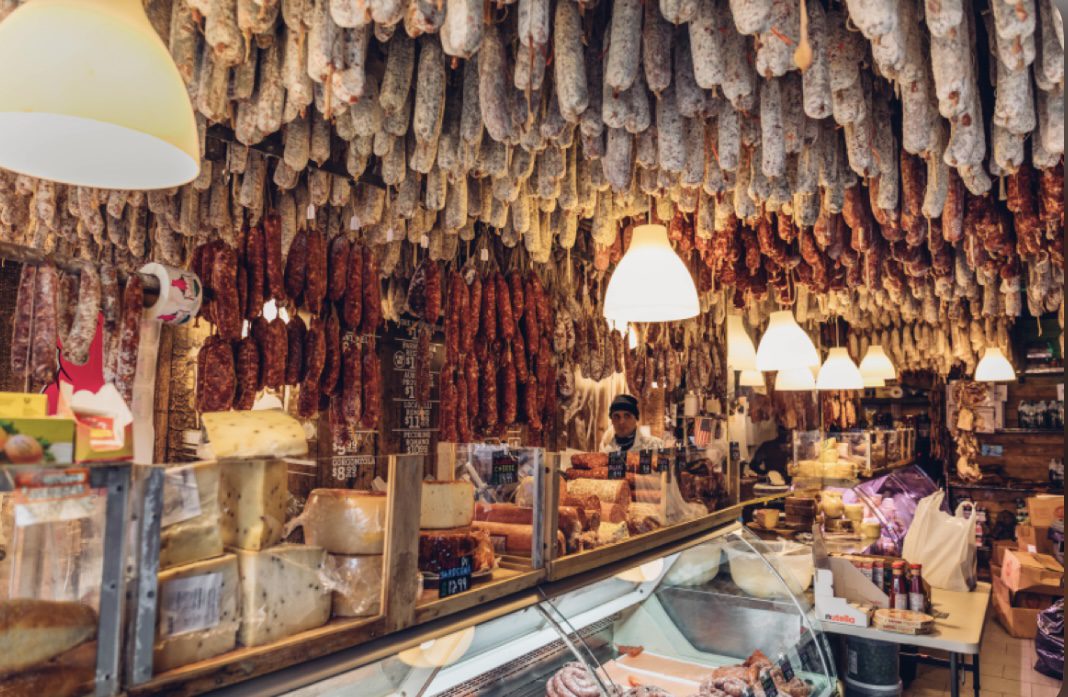
“Little Italy” in the Belmont district. This is a real paradise for lovers of Italian cuisine and culture. Even if you come here full and without the intention of making any purchases, you will definitely not be able to leave empty-handed. Fresh crispy pastries, aromatic fruits, savory sausages, gourmet cheeses, olives and elite wines. Most of the stalls are a long-standing family business that has been passed down from generation to generation.
Some of the shops are over 100 years old. Here you can taste fresh oysters and seafood, authentic Italian pizza and pasta. In the evening, life does not stop on Arthur Avenue. There are also many restaurants and cozy cafes here. But most tourists and city residents can be seen in the area during the annual Ferragosto Festival. Arthur Avenue is probably one of the largest concentrations of small businesses in the Bronx.
- The Hub/Third Avenue
If you mark this place on a map of the Bronx, which is a retail center, you will see a butterfly located between the Mott Haven and Melrose neighborhoods at the intersection of E. 149th Street and Willis, Melrose and Third Avenues. You can find almost everything here: from all kinds of small items to large appliances.
- Hunts Point
One of the world’s largest wholesale trade centers. Many food warehouses are concentrated here. With an area of 329 acres, Hunts Point is a supplier of more than 60% of the food for all of NYC. It also supplies the Fulton Fish Market.
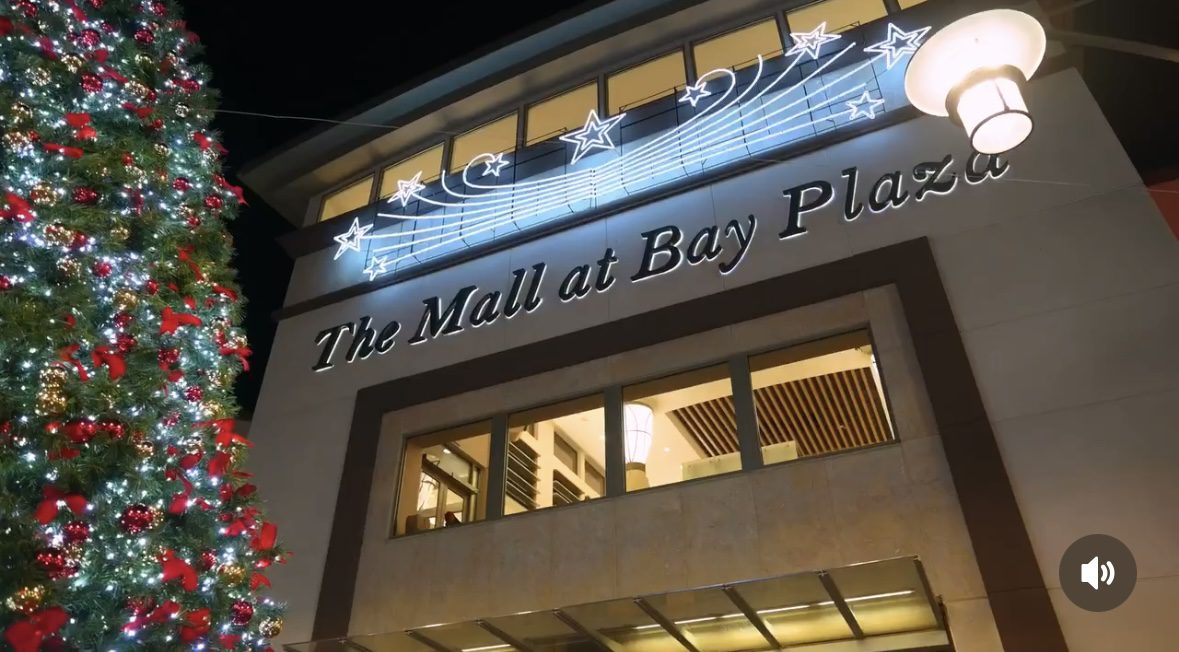
- The Mall at Bay Plaza
The largest shopping center in NYC. More than 150 stores, restaurants and entertainment venues, including Apple, Sephora, Macy’s, Nike, Victoria’s Secret, AMC Theater and more. It was opened relatively recently, in 2016, and has contributed to the economic development of the region. It has provided jobs for a large number of people, attracted well-known brands and increased the tourist attractiveness of the Bronx.
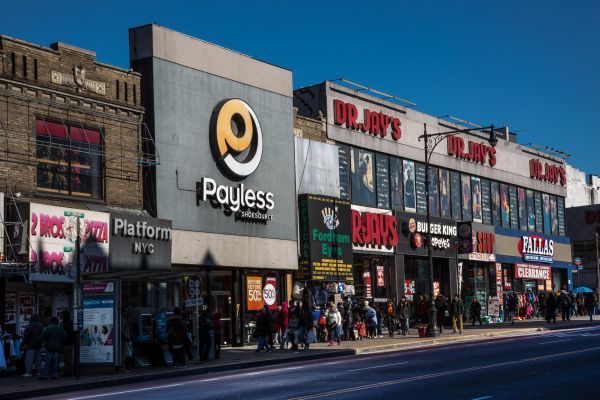
- Fordham
Fordham Road is one of the 10 busiest trade corridors in the world. Fordham University also frequently hosts various events that promote the development of the tech and innovation sector (for example, the Bronx Summit, which included Accenture, Google, Junior Achievement, Latin Business Today, Mass Ideation, Sofrito for Your Soul Media Group, Siri Capital, Good-B, etc.).