

For half a century, the Bronx has had one community organization. It was created during the darkest times of the Great Fires and has survived through all economic, political and social upheavals. From its first day up to now, the NWBCCC has been fighting for racial justice and economic democracy in the Bronx. Discover more about its activities on bronx1.one.
Main mission
The NWBCCC (Northwest Bronx Community and Clergy Coalition) is an organization that was founded in the Bronx in 1974. Then, clergy, students and community members from all walks of life came together to oppose the lawlessness and destruction that gripped the Bronx in the 1970s. Those were times of terrible fires, crime and instability.
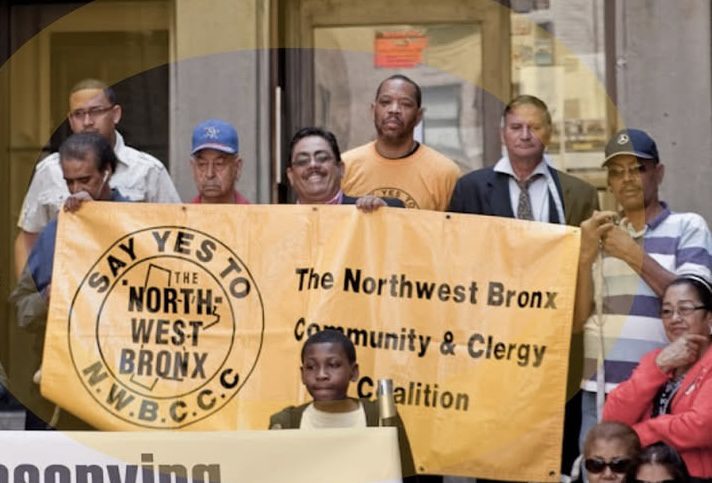
Read more about the fatal fires in the Bronx.
The NWBCCC’s primary goal was to provide all residents with comfortable housing, stability, peace and security. They emphasized that everyone had the right to rest, decent work, good health, time with family, a happy life and the opportunity to develop.
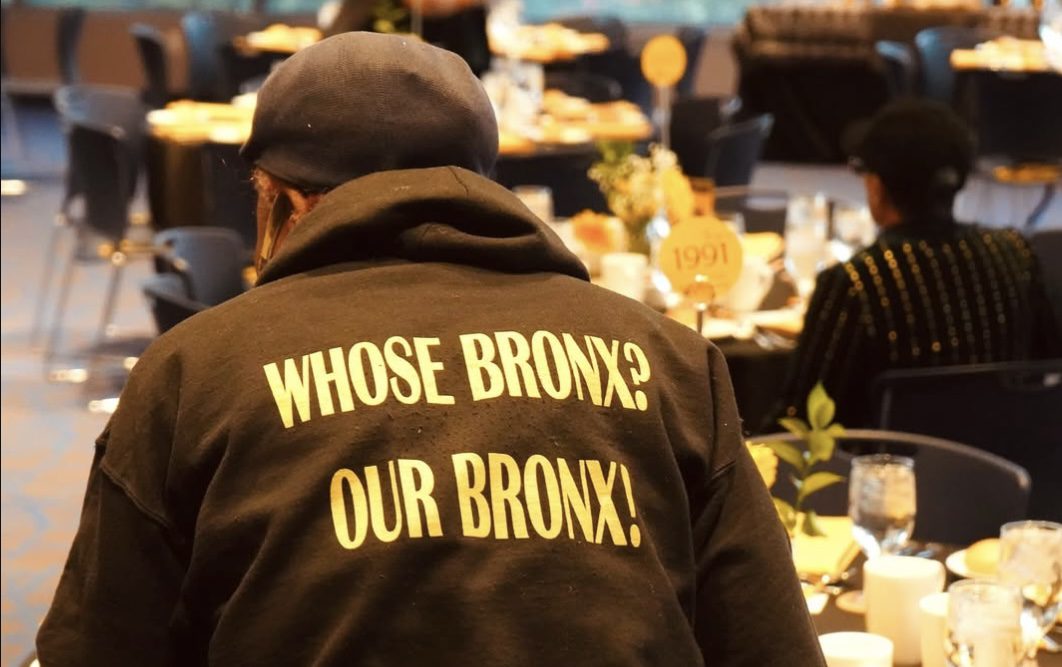
The Coalition Chair is very concerned that certain negative stereotypes have formed regarding the Bronx. This borough of New York is often associated with poverty, despair and hardship. However, the Bronx community is multilingual and multicultural, with vibrant commercial districts, creative energy and great potential. Therefore, the main goal of the NWBCCC is the disclosure and development of all the strengths of the Bronx economy, society and culture.
The Bronx-wide Plan from the NWBCCC
One of the major projects of the NWBCCC was the Bronx-wide Plan developed by this organization. This is a thirty-year economic development strategy that focuses on creating shared wealth and ownership of assets in communities. The primary goal is to increase the ability of Bronx residents to collectively manage these resources.
By developing a strategic and long-term vision, NWBCCC seeks to achieve leadership at the local level.
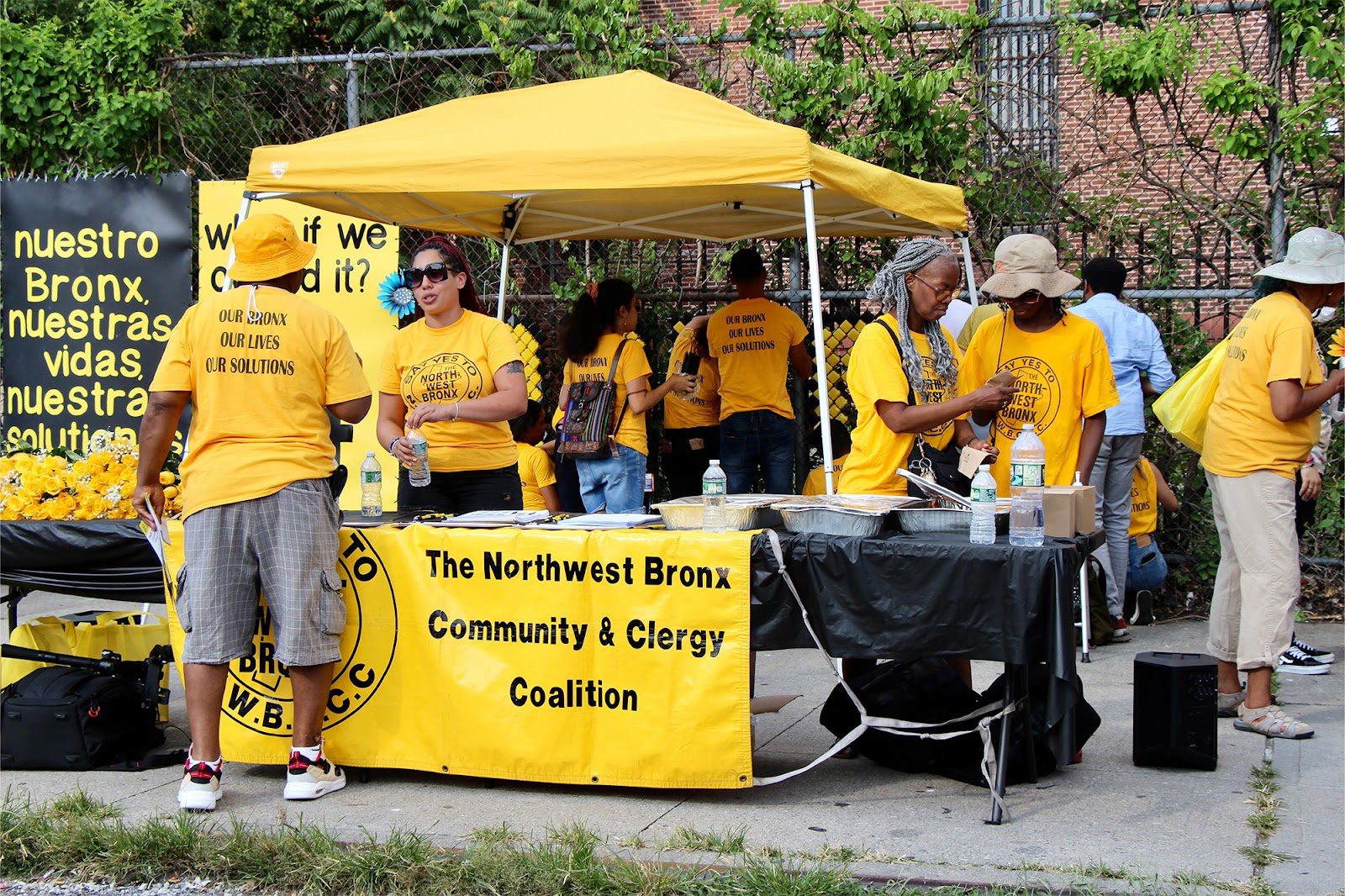
The NWBCCC Bronx-wide Plan includes 5 key areas:
- Housing and Land
- Small Business Support
- Education and Workforce Training
- Manufacturing, Innovation and Technology
- Finance.
The implementation of this project involves accessing federal and state resources for communities that need it most.
The main theses of the Bronx-wide Plan are shared ownership of assets, collective management and the creation of transformative systems. NWBCCC believes that shared ownership of land, housing and jobs will allow us to shape the future, benefit and develop. Controlling the use, maintenance and improvement of assets will ensure stability. As for shared decision-making, it will allow for distribution of gains and supporting each other in difficult situations. The Coalition also believes that to understand the root causes of the injustices that Bronx residents face, it is necessary to transform current systems.
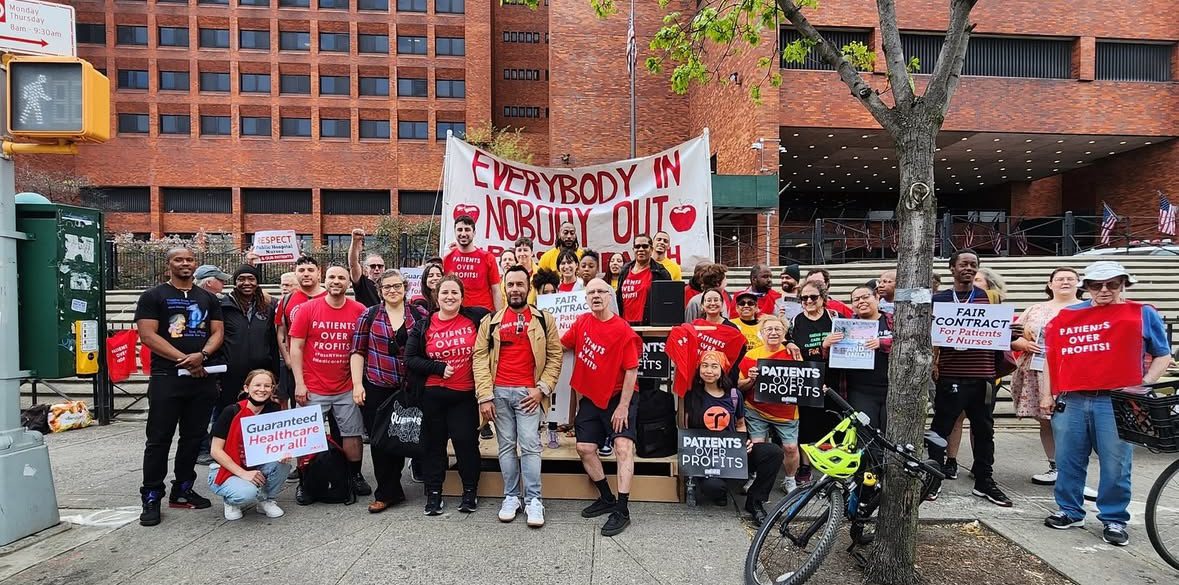
NWBCCC Land Trust
The Bronx Community Land Trust (Bronx CLT) was founded in 2020. It is dedicated to creating and preserving safe and affordable housing for Bronx residents, regardless of their race or economic background. The organization also works to ensure access to commercial, industrial and green spaces.
The Bronx CLT conducts site assessments to identify vacant city-owned land and land that the community wants to protect. The ultimate goal is to transfer these lands to the Bronx CLT and establish a partnership to develop and manage the land in accordance with the vision of local residents. The Public Land Campaign helps in the search for free land.
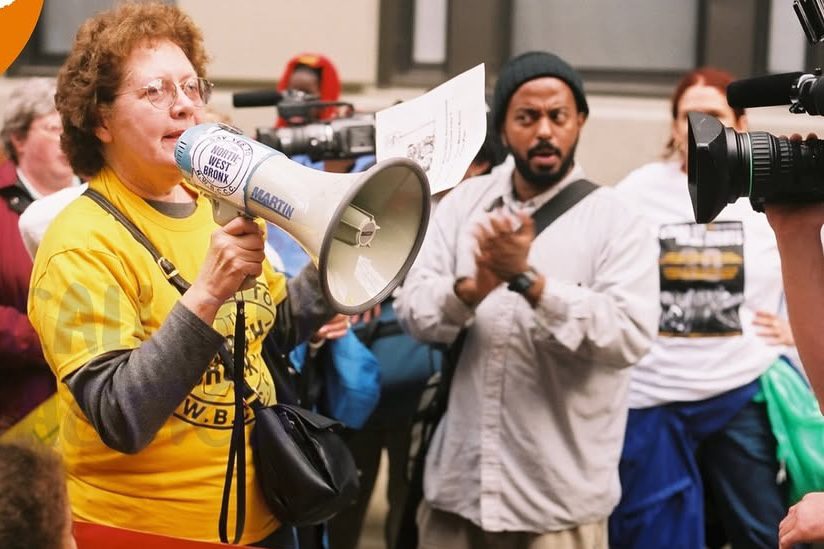
The Bronx CLT board consists of local residents and experts in the field of land and housing issues. Such joint work makes it possible to understand the needs of residents and organize their solution by involving professionals.
Community ownership and collective management are the path to development and stability, as the NWBCCC believes.
As part of this program, periodic meetings are also held with residents who need support and assistance in matters related to property taxes, renting, buying or selling real estate or land. Bronx CLT cooperates with developers, investors, large tenants, lawyers, tax officers and insurers. Therefore, everyone can receive high-quality and competent advice on any issues.
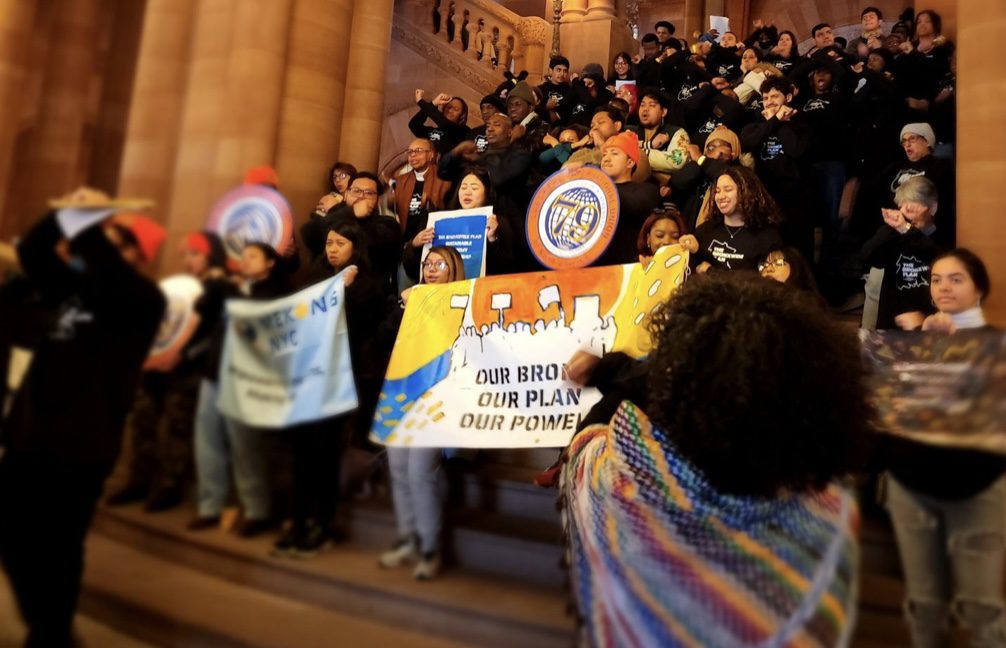
Other large-scale projects
Over the years of NWBCCC’s activity, it has accumulated many achievements and successfully implemented projects. Let’s consider just a few of them:
- 1999-2001 — creation of the youth branch of the NWBCCC, known as Sistas and Brothas United (SBU). The main goal is the fight for quality public schools. The organization secured the allocation of $2 million for capital projects for the Kennedy School
- 2004-2005 — a campaign against the construction of a water filtration system in Van Cortlandt Park. Although the project was implemented, the NWBCCC was able to achieve some success in protecting water bodies, reducing the impact on vegetation and underground construction
- 2006-2007 – a campaign to transform the old Fordham Library into a youth, arts and technology center. At that time, more than $1 million was raised for this initiative from local leaders
- 2017 – the Right to Counsel project passed the first law in the United States to establish the right to a lawyer in housing court for all tenants
- 2019 – an important law was passed that significantly strengthened the protection of tenants in New York as part of the Housing Justice program
- the NWBCC’s Homes Guarantee program provides for the construction of 12 million units of social housing, the fight against homelessness and reinvestment in public housing
- NWBCC has made many efforts to achieve changes in the field of medical debt. New York became the first state to protect patients from the negative impact of medical debt on their credit scores and to ban preventive care charges. The Act Concerning Hospital Financial Assistance was amended to prohibit them from suing patients with incomes below 400% of the federal poverty level, eliminate the means test requirement for low-income status, cap monthly payments for medical debt and prohibit denial of medical care due to unpaid bills
- actively advocates for the redevelopment of the former Kingsbridge Armory, helping to cancel several projects that did not fully meet the needs of Bronx residents. NWBCCС fights for the greatest possible community rights in the decision to renovate the Kingsbridge Armory.
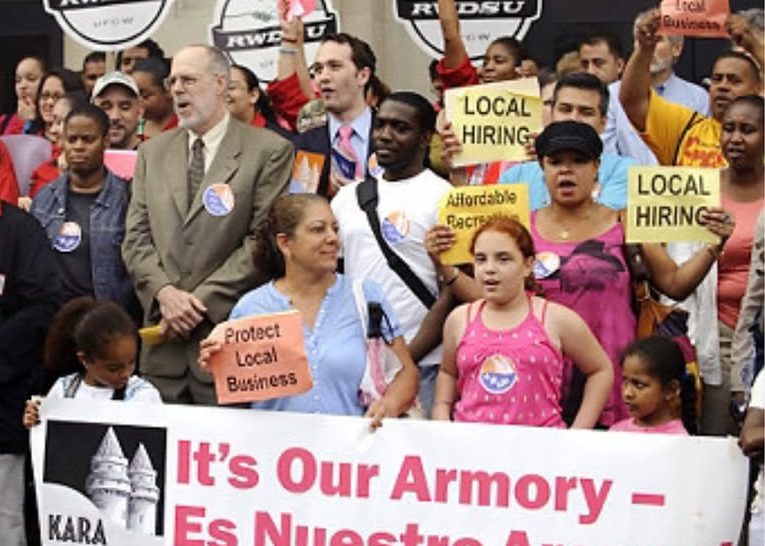
Read more about the history of this city landmark.
NWBCCC has also founded several research institutions, fought for affordable housing, opened new schools, maintained parks and public gardens, opposed displacement and gentrification, advocated for police reform, supported the passage of the New York City Health Care Act and promoted collective ownership of public assets and increased investment in public schools.
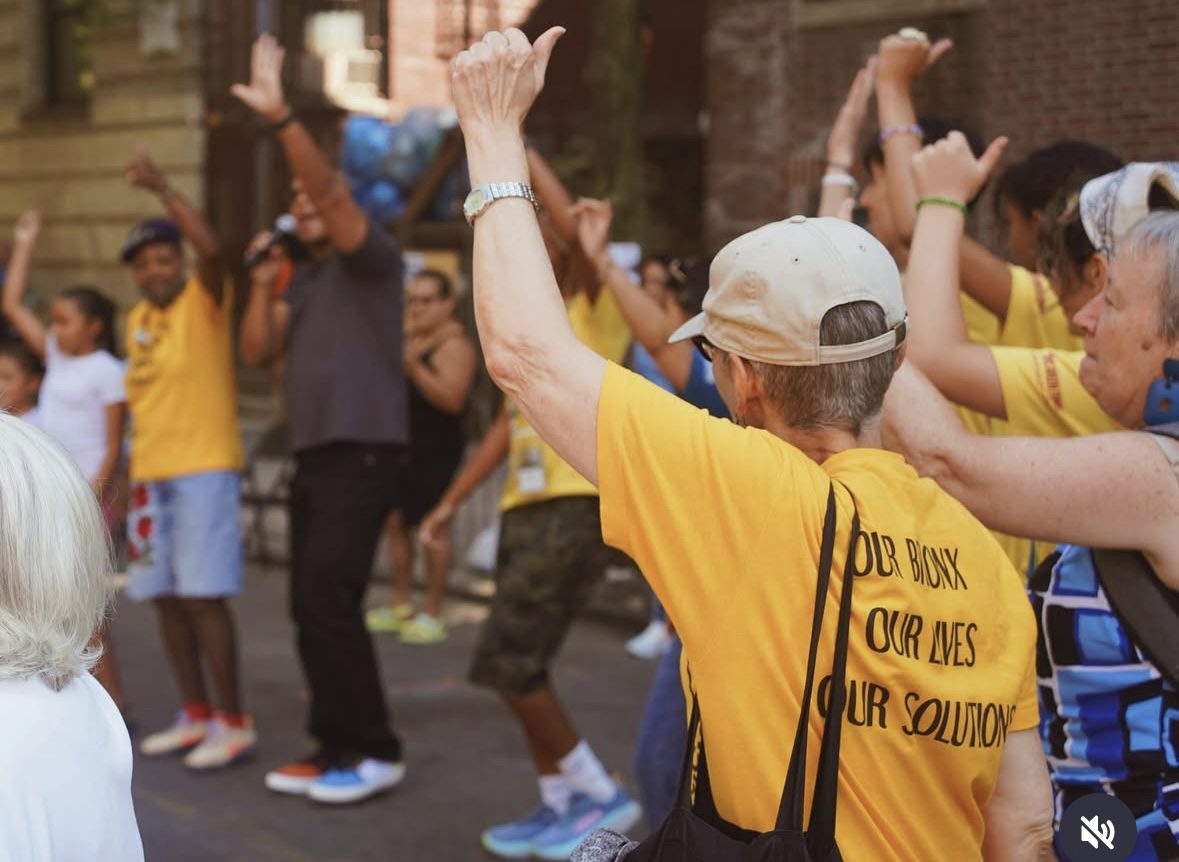
A half-century of powerful work
On October 18, 2024, the NWBCCC held a gala celebration of its anniversary at Manhattan College in the Bronx. The main news of the evening was the announcement of the organization’s merger with the Bronx Cooperative Development Initiative (BCDI). This partnership will allow both organizations to expand their activities in the borough.
At the celebration, NWBCCC honored current and former members with videos, photos and displays showcasing the organization’s work over the years. Executive Director Sandra Lobo emphasized:
‘All of our projects point to an alternative future that we are creating, a future where the people of the Bronx have power, ownership and control over the places where we live, work, send our children to school, open businesses and raise our families’.
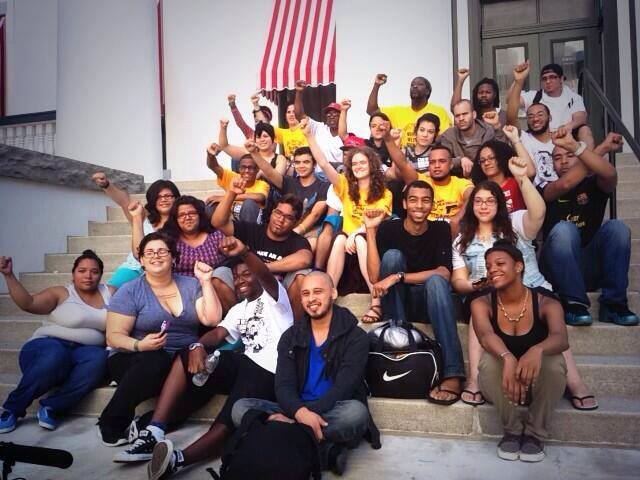
The event was attended by an estimated 250–300 people, including former Norwood News editor, Jordan Moss, and actress, Cynthia Nixon, who previously ran for governor of New York. A silent auction with a variety of items was also held throughout the evening.
Lobo emphasized that the Bronx can serve as an example for other cities and states. Edward Garcia, another co-founder of the NWBCCC, noted that under her leadership, the organization has been able to build a strong coalition to fight for equitable economic development:
‘She demonstrates our mission and broader vision everywhere. She is not afraid to call people out. It is not easy to play the role she does, but she does it with dignity and respect for all of us. We thank you, Sandra, for your leadership’.