

The neighborhood known as the Bronx’s Little Italy on Arthur Avenue is home to authentic shops and grocery stores that have mainly been run by family dynasties for generations. There is an amazing atmosphere that draws not only tourists but also locals who travel from all around the city to enjoy delicious fresh products and exclusive service. We will tell you about one of these shops in Little Italy that recently celebrated its 100th anniversary further in this article at bronx1.one.
The path to Mario Madonia’s big dream
The story of Madonia Bakery began in a small town on the outskirts of Palermo, Sicily, where Mario Madonia was born. He worked on a lemon farm and enjoyed spending time with his grandfather, who was a baker. At the beginning of the 20th century, Mario immigrated to the United States, as did many of his countrymen in search of a better life and the fulfillment of long-held dreams. Mario first settled in Belmont. Even then, he knew that he wanted to develop in the baking business. However, at the time, all the poor immigrant had was a small bread cart, which he used to walk through the streets and offer passers-by fresh bread. After a while, Mario decided to move to New York, where he anticipated to find more prospects and opportunities. In the new big city, Madonia met like-minded people and joined the Reliable Bronx Italian Bakers, a community of Italian bakers who pooled their resources to work together. Mario eventually saved enough money to open his own shop on Arthur Avenue in 1918.
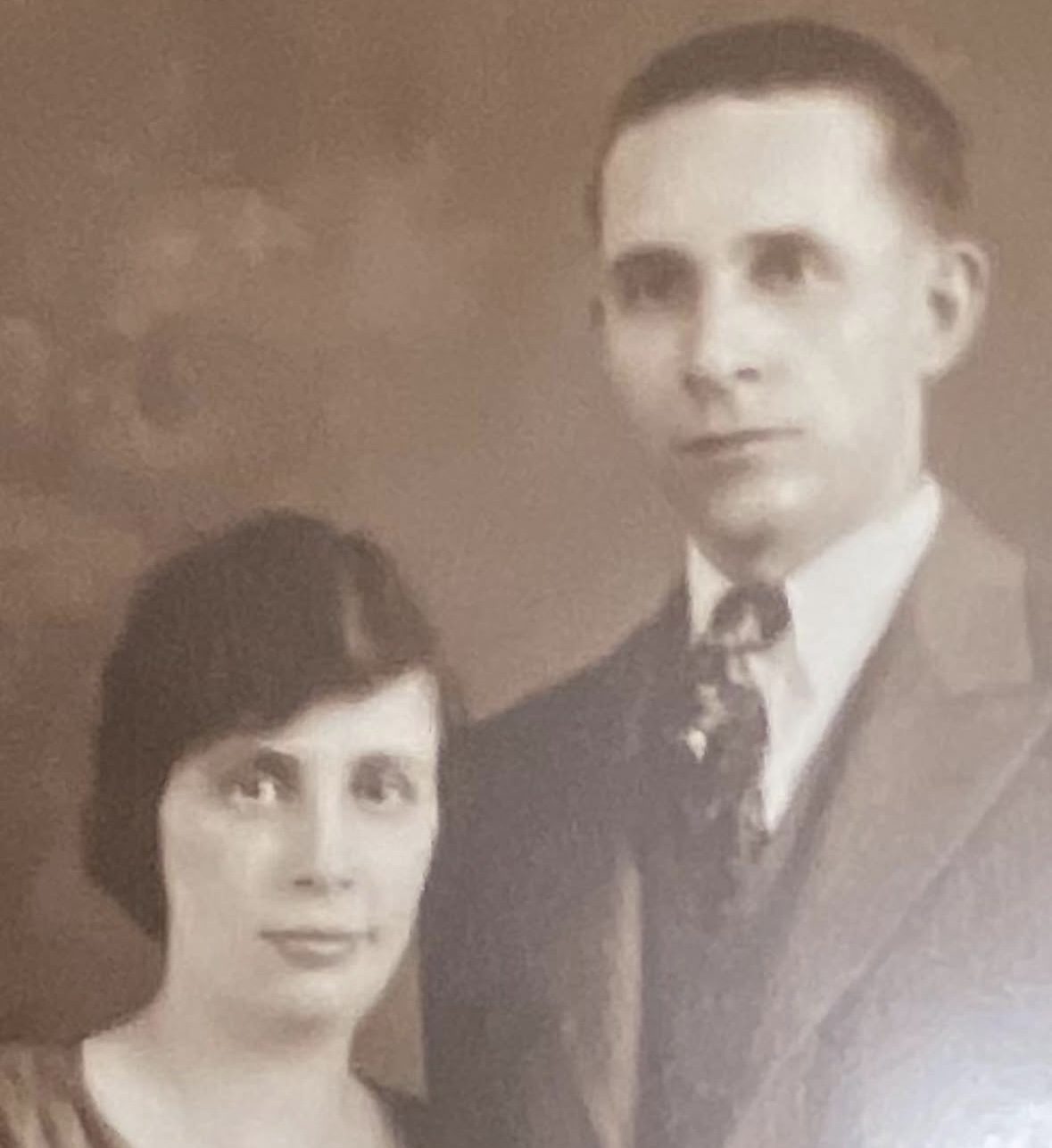
He made traditional Sicilian dishes, such as semolina bread and long bastones, to satisfy the needs of the bricklayers working nearby on the construction of the Bronx Zoo. At the same time, his wife Rose assisted in the workshop and raised four children.
In 1924, a tragic catastrophe occurred in the family, almost negating all of the spouses’ efforts. Mario was riding in a car with Rose, who was six months pregnant, when the automobile suddenly lost control and crashed into the bakery’s window. The accident resulted in a premature birth, with the infant born right among the flour bags and dishes. Nobody expected the baby to survive, but his life was saved by a makeshift incubator, a shoe box insulated with cotton wool and concealed behind the oven. The newborn was placed in a bread box near the oven to keep him warm, and only two weeks later, when it was evident that he would survive, he was registered with the health department. So Madonia’s youngest son, Peter, was born, and he was destined to spend his life at his father’s bakery, where he was delivered so unexpectedly. That is exactly what happened. Madonia Bakery is presently situated in the heart of the Arthur Avenue commercial district, between a butcher shop and a retail market.
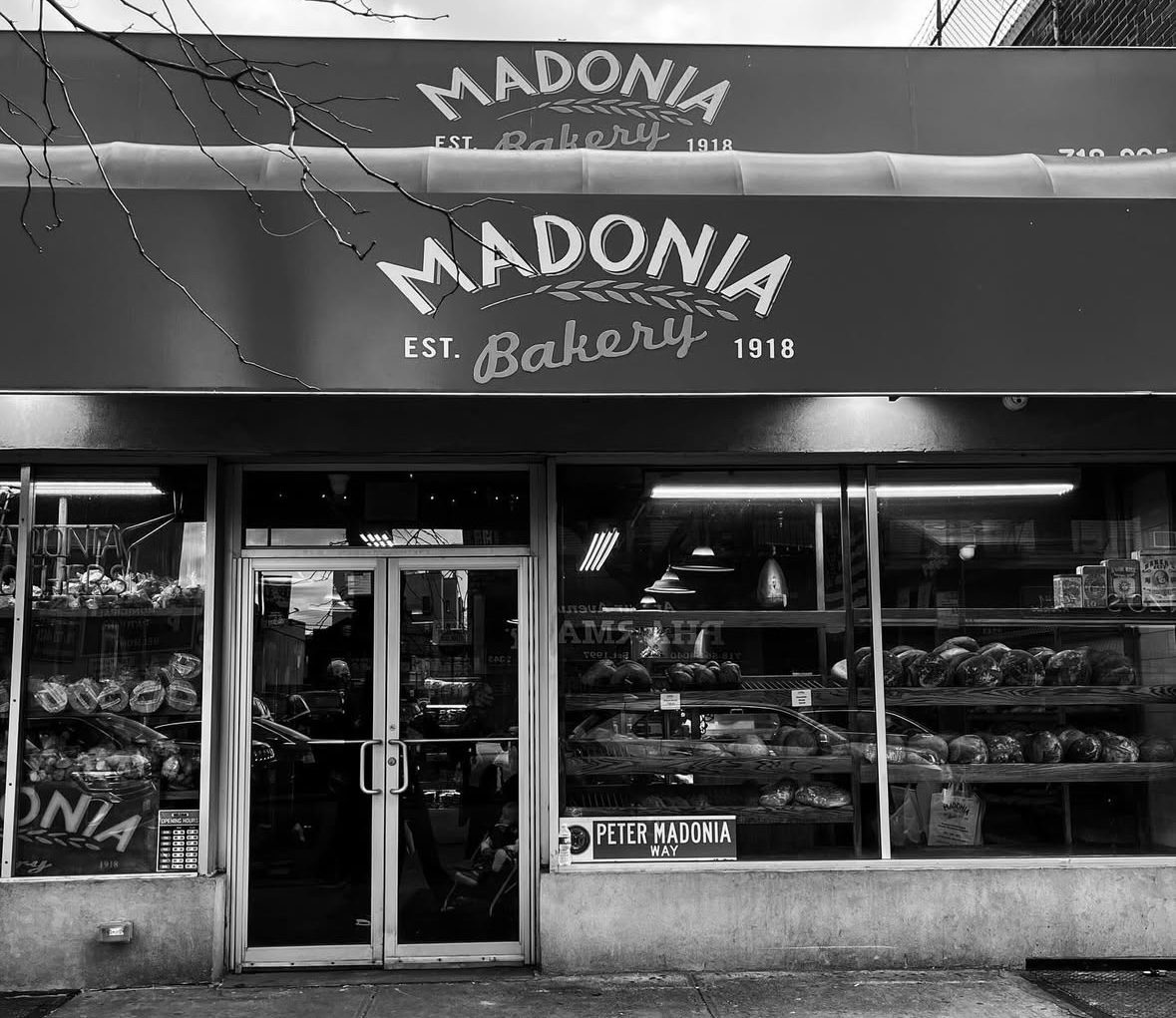
Read an article about business development in the Bronx in the 20th century here.
The next generation takes the helm
Peter grew up, married and started his own pizzeria, but when his father chose to retire, he and his older brother Frank took over the business. In the 1960s, the brothers became the new owners. Peter and his wife Josephine had three children, the eldest of whom, Mario, was named after his grandfather and began operating the family business in the 1980s. Along with the name, Mario inherited an exceptional entrepreneurial talent from his relative and the bakery’s founder. Madonia Bakery grew to new heights under the leadership of the younger Mario. He refurbished and expanded the space nearly twice, and introduced new items such as cannoli (small crunchy treats filled with citrus semifreddo), which quickly became popular. Mario also added a selection of biscotti, which are still popular in the bakery.
However, tragedy struck the family in 1988, when Mario died in an automobile accident at the age of 38. It happened a few blocks from Madonia Bakery. Ironically, this time accident didn’t end well for the Madonia family.
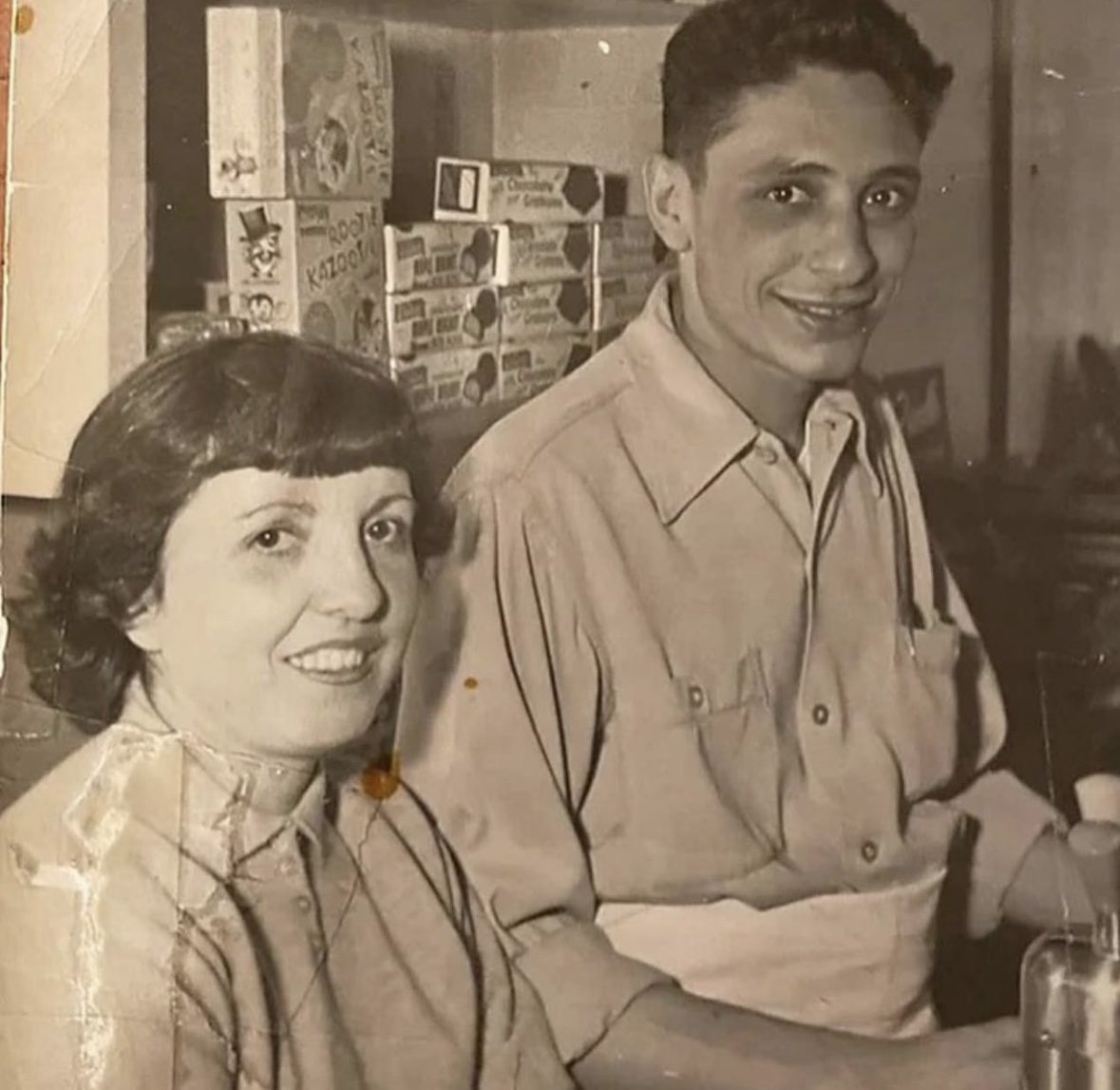
However, Mario’s brother Peter stepped in to save the situation. Indeed, it is easy to get confused about the names of this family. Sons were frequently named after their fathers and other relatives. So, since Mario’s death, the bakery has been operated by Peter and Josephine’s youngest son, also named Peter.
Politics versus family business
However, unlike Mario, who was inspired by baking, his brother Peter was not a baker. He actively pursued a political career. But when tragedy struck, Peter Madonia recognized he couldn’t abandon the family business. His father was already quite old and incapable of running a bakery. Then Peter Jr. decided to temporarily leave his political career in New York and take over Madonia Bakery until he found a management partner, Charles LaLima. For nearly three decades, Charles successfully managed the bakery with the assistance of his sons, Adam and Jason.
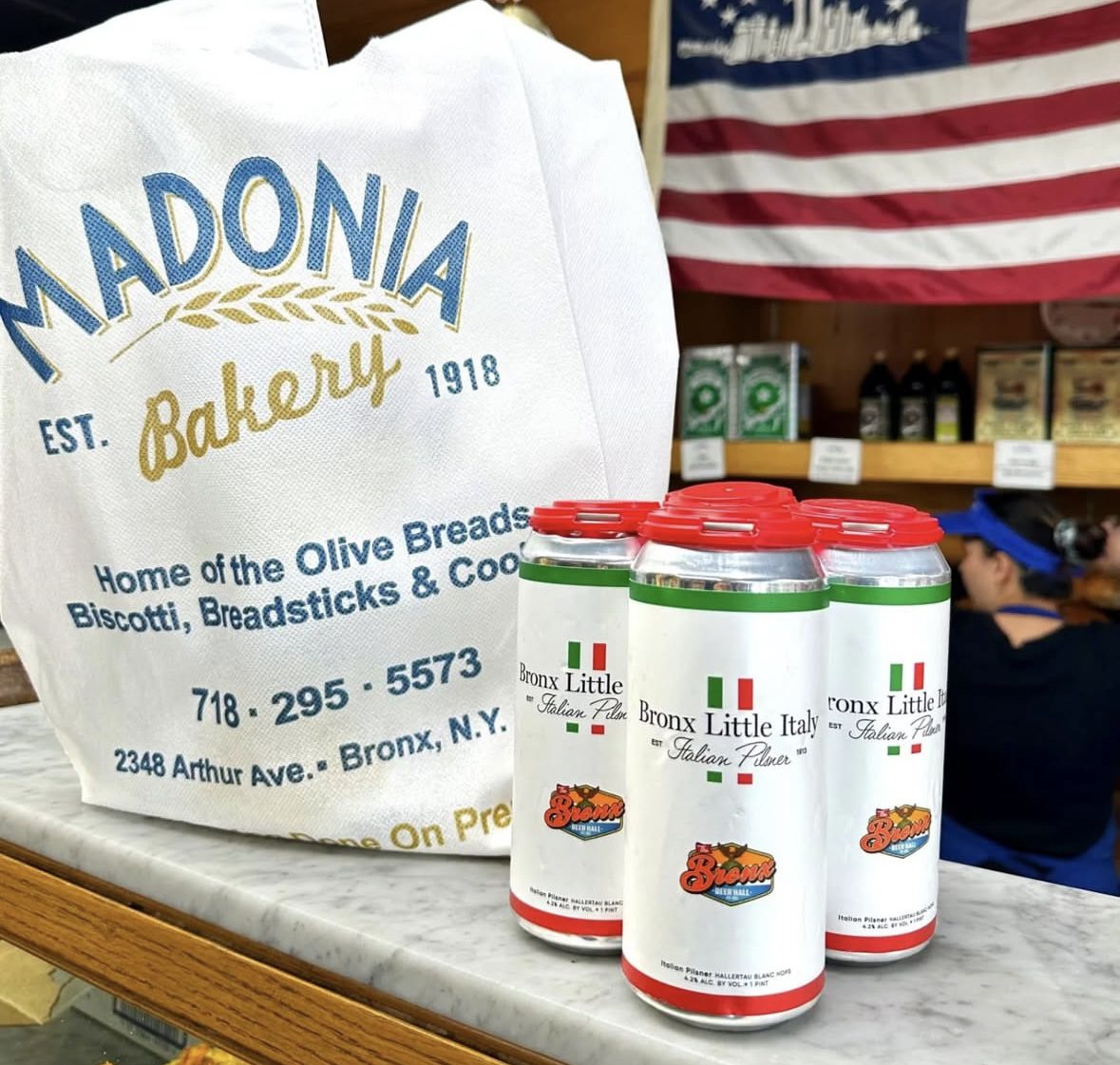
Nevertheless, in 2018, Peter Madonia, a former deputy FDNY commissioner under then-Mayor Ed Koch, returned to the bakery after 16 years in the public and nonprofit sectors, timing his homecoming to coincide with the Madonia Bakery’s anniversary and the holiday season. Together with Charles, he now oversees the production of branded bread and pastries. It took Peter several months to remember the work he performed as a teenager, from kneading dough to baking.
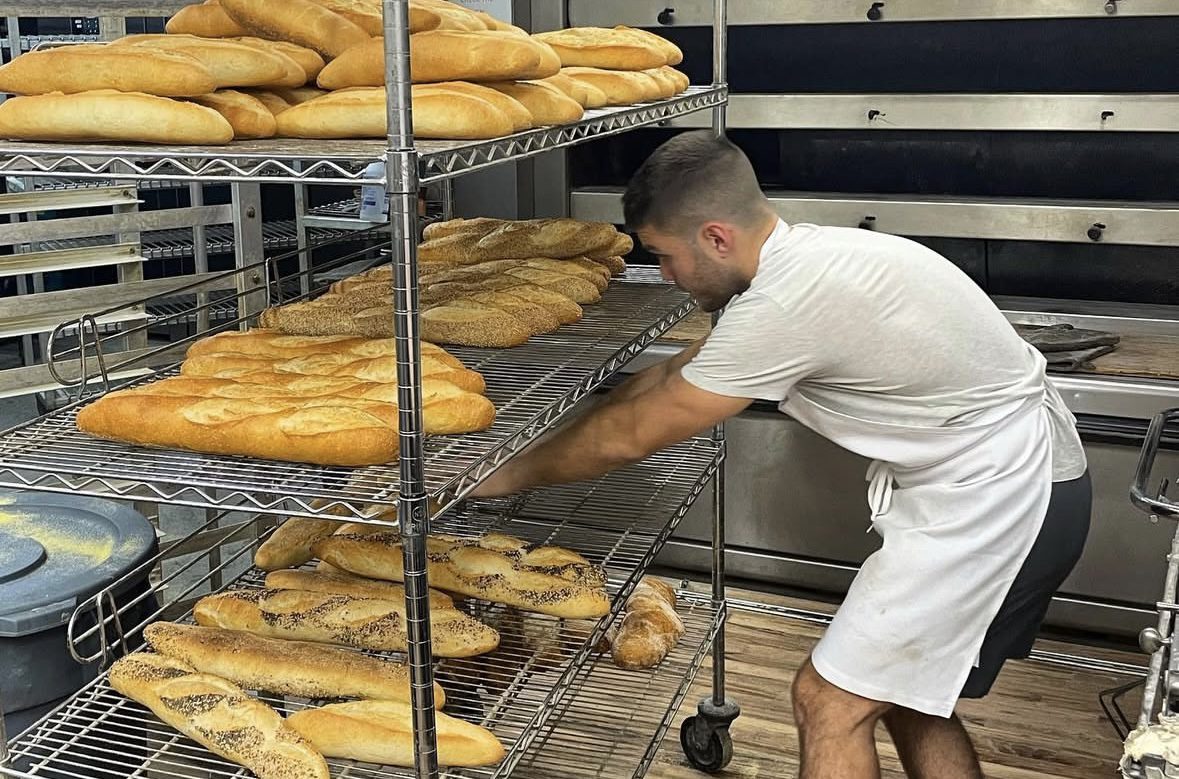
He once managed $200 million in grant financing, but today he bakes bread in a cozy Italian bakery. His father, Peter Sr., spent a lot of time at Madonia Bakery until his death and, despite his advanced age of 90, always greeted customers with a smile.
Living traditions
According to Peter, 80% of Madonia bakery customers travel 10 to 40 miles for their bread. Police officers frequently visit in the morning to chat and enjoy exquisite pastries, local workers stop by for a snack after lunch and tourists from all over the world, who walk around Little Italy every day, can not resist the aromas of fresh croissants.
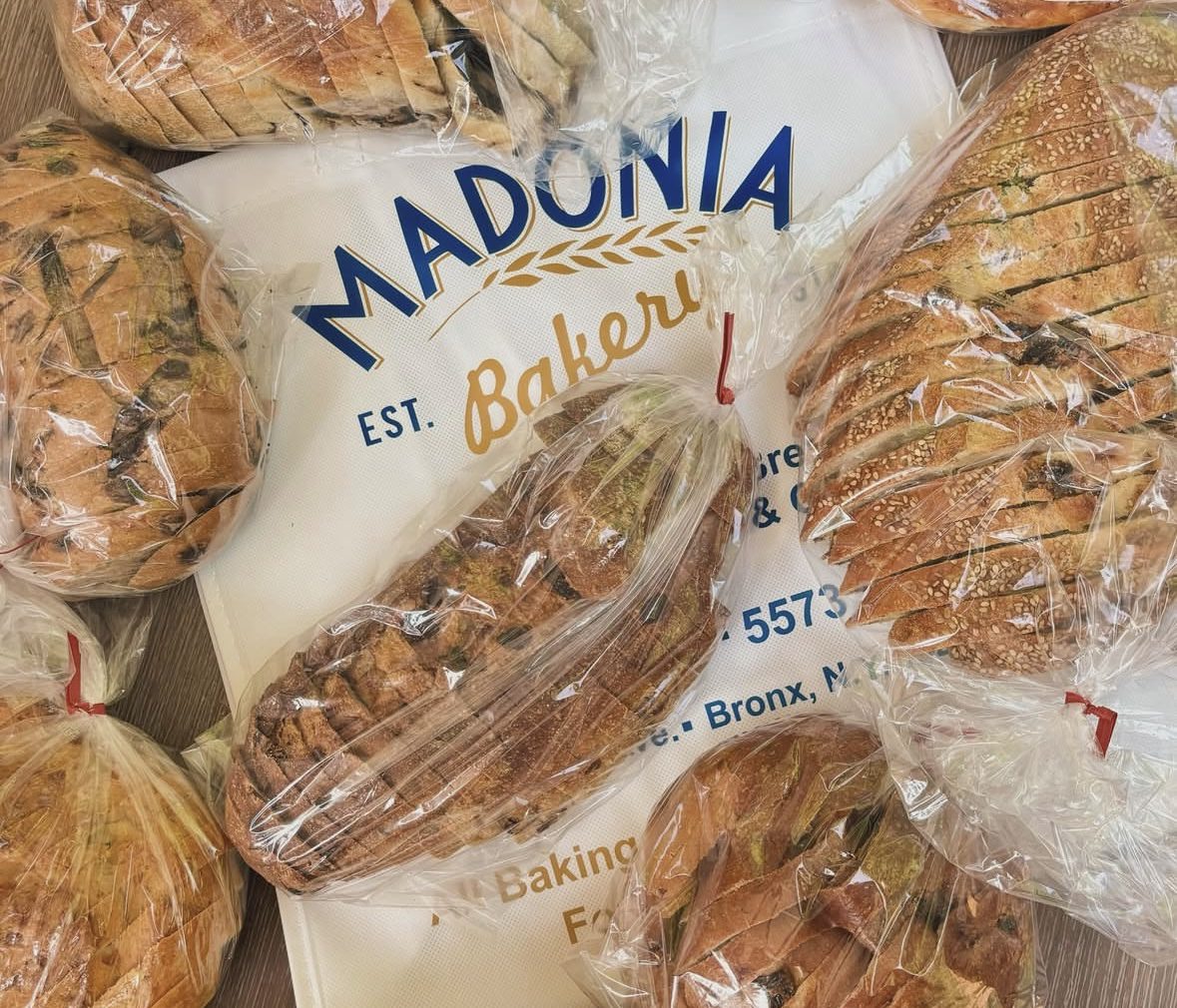
Peter is currently uncertain about the bakery’s future. His daughter works as a consultant at a local public school and does not share his passion for pastries. However, there is still hope for growing grandchildren. Therefore, Peter hopes that the cause of his ancestors will live on together with their name.
Throughout the course of its long history, Madonia Bakery has attracted a number of regular customers. The locals know when and what is baked here. Many place an order over the phone, ask for something special for an occasion or ask that some bread be saved for the evening. For example, the bakery only bakes large soft pretzels on Thursdays, Fridays and Saturdays, so they sell quickly.
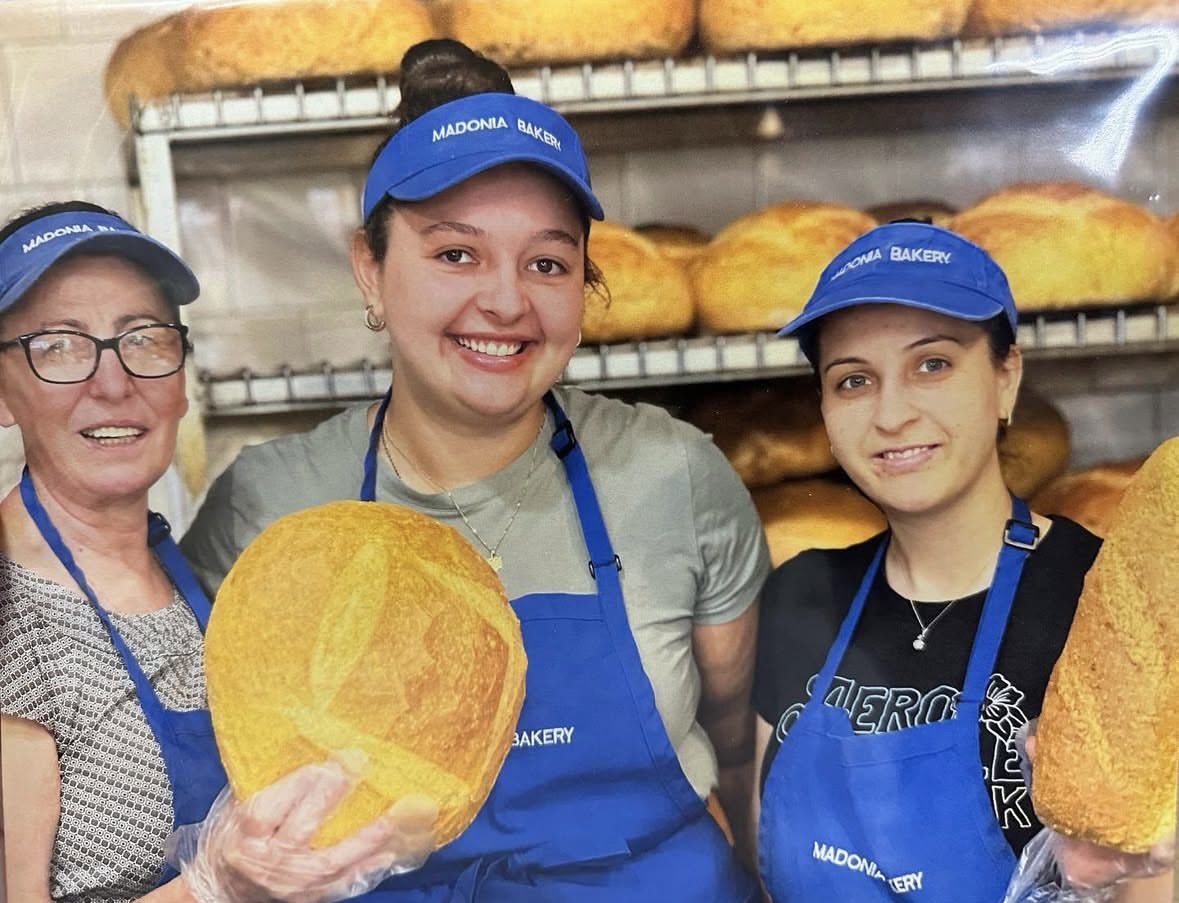
In 2018, Madonia Bakery celebrated its big anniversary. On that day, everyone received a variety of treats and talked about the events of the previous years. The bakery’s variety is still dominated by traditional, age-old recipes, which Mario Madonia cooked in 1918 to accomplish his dream.
Balance between the past and the future
In addition to the traditional classic recipes, Madonia Bakery delights its customers with delectable new items and experiments.
Charles LaLima introduced a special line of bread flavored with olives, fennel, raisins, jalapeño and cheese. His most recent experiment is fried garlic bread. After visiting Germany, he decided to bake pretzels. Jason, Charles’ son, introduced two new products commemorating the bakery’s centenary: sun-dried tomato and basil bread and a flower-shaped garlic loaf.
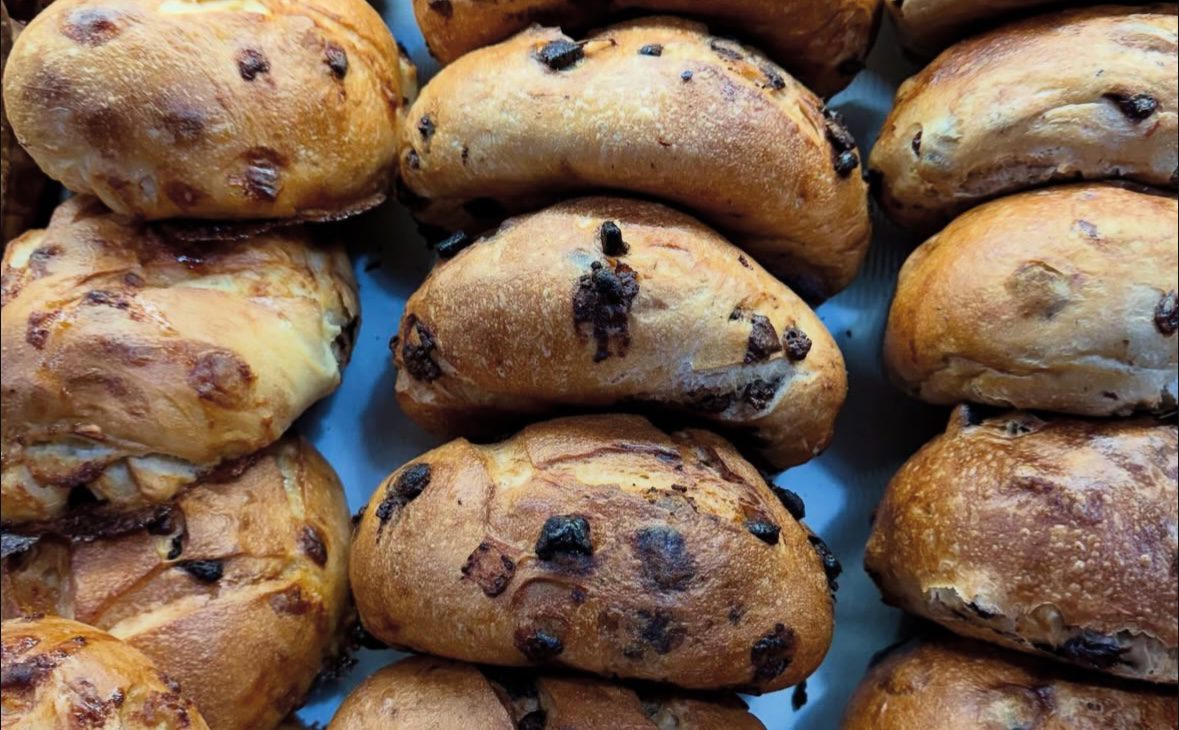
Madonia Bakery also sells a range of items, such as prosciutto, provolone, cranberry raisins, white chocolate with cherries and the famed olive bread, which is baked every day at 4:30 a.m. To make it, they mix the dough with sourdough, flour and other ingredients before adding the black Moroccan olives and spreading them evenly throughout. This bread goes nicely with pecorino and olive oil, and it may also be used for crostini, grilled tuna sandwiches, tomato sauce or pasta. Its savory flavor makes it a great addition to various dishes.
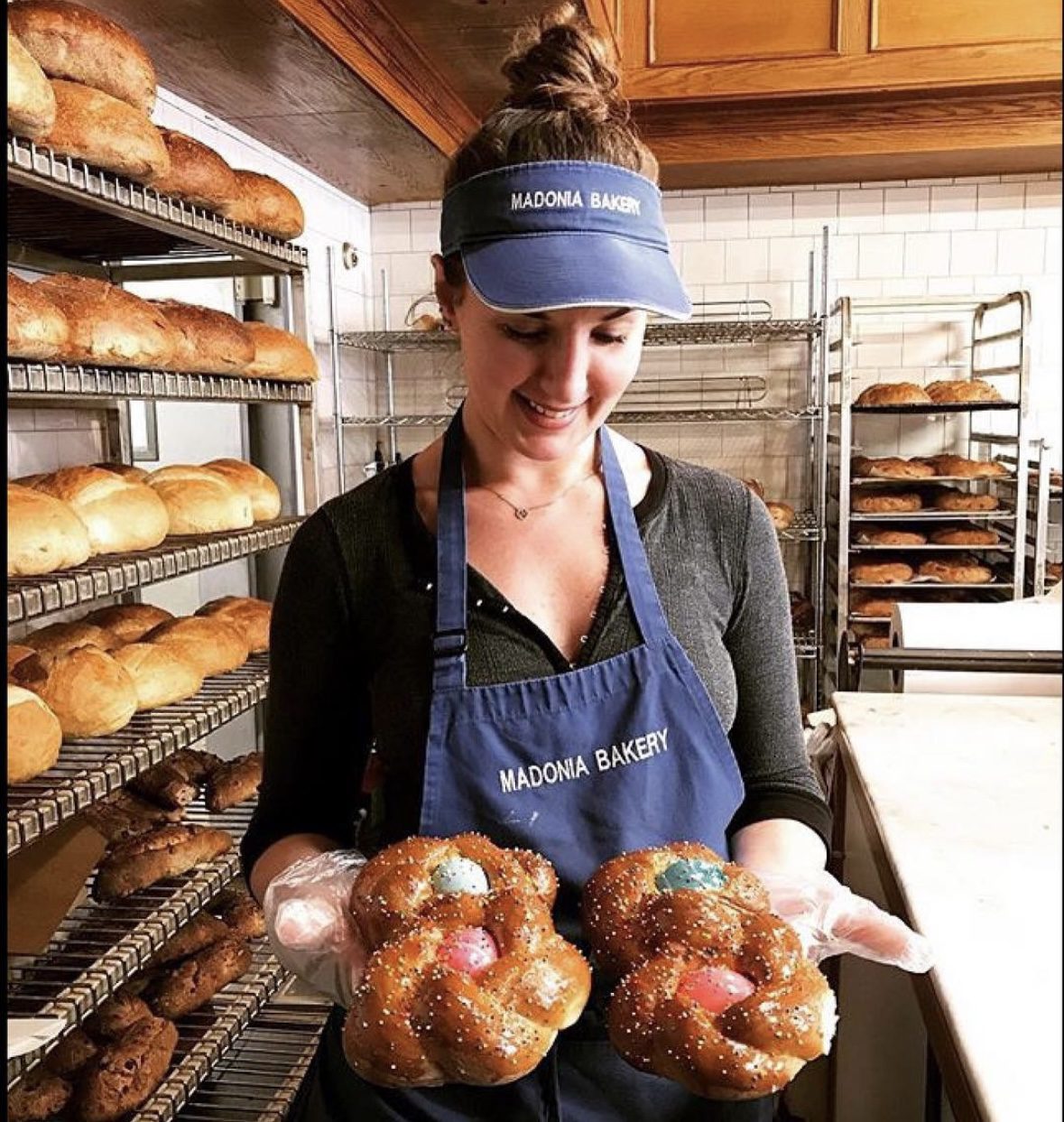
The bakery’s storefronts display a variety of treats, including hand-made biscotti, Italian cookies and cannoli. Although fruit pies are not generally sold in Italian bakeries, Madonia serves pumpkin and apple pies in the fall, as well as berry pies in the summer.
“At the core, we’re a traditional Italian bakery,” says Peter, “but we’re willing to experiment to evolve with people’s tastes and needs. We go out, look at what other bakeries are doing, how they’re being creative and then we come back. We experiment, test products and put our own stamp on it. Eight out of 10 times, the new product sticks.”
Read an article about the neighbors of Madonia Baker, another Italian establishment with a century-long history.